Cyprus Festivals: A Seasonal Calendar of Events
Carnival, Easter, Anthestiria, Kataklysmos, wine and village festivals, Cultural Autumn and Christmas villages — with a guide to checking exact dates.
Checked: 13 September 2026.
How to use the festival calendar
Cyprus’s events calendar comprises religious holidays with variable dates, regular seasonal festivals and one-off events organised by local councils. It is therefore more useful to know the month and how the dates are calculated than to rely on a specific date from last year’s announcement. The exact date, venue and time are always confirmed in the official calendar for the year of your trip.
An event may be described as annual, but its duration, location, line-up and entry rules may change. Weather warnings, fire risks or organisational decisions can cause the programme to be rescheduled at the last minute. Check the organiser’s announcements the day before and on the morning of the event, especially if you have a long journey ahead.
The festivals below are grouped by season rather than arranged as a subjective ranking. Choose based on where you live, the language of the programme, accessibility and transport links. A single well-planned evening usually provides more memorable experiences than trying to visit several distant venues in a single day.
Winter and the carnival season
The start of the year sees the continuation of Christmas villages and winter cultural programmes, if they’re listed in the current calendar. Mountain venues are weather-dependent, and evening temperatures are noticeably lower than on the coast. Check opening times, travel routes and parking; the winter schedule does not guarantee that all stalls are open every day.
The main event before Lent is the Limassol Carnival, featuring parades, fancy dress evenings and a programme of city-wide events. Its dates are linked to the church calendar and vary each year. If you’re planning to attend the main parade, arrive early; don’t expect to drive through the city centre via your usual route, and agree on a meeting point in advance.
Carnival events also take place in other towns, but the scale and programme vary. For families, daytime events and acceptable noise levels are important, whilst for people with reduced mobility, road closures, street surfaces and clear visibility are key considerations. A municipal map for a specific year is more useful than a general description of the festival.
Spring: Easter, flowers and roses
Orthodox Easter marks a long cycle of services, processions and village traditions. It is first and foremost a religious event, not a show for tourists. Check the rules of the specific church, dress respectfully, do not disrupt the service by taking photographs, and be aware of changes to transport and shop opening hours on public holidays.
Anthestiria is a spring festival of flowers featuring parades and decorated floats in various towns. It usually takes place in May, though the line-up of participants and the venue vary. If you’re travelling specifically for the procession, check the route and road closures; the exhibition or fair may take place at a different time or at a different venue.
In the mountain village of Agros, a rose festival is held in spring, centred around local processing and produce. Blooming depends on the weather, whilst the programme depends on the organiser. Don’t expect a particular view of the plantation based on last year’s photographs: check the dates, tours, parking and access to workshops for the current season.
Early summer: Kataklysmos and coastal events
Kataklysmos, or the Water Festival, is linked to Pentecost and has a variable date. The best-known city-wide programme takes place in Larnaca, whilst other local authorities also organise events by the water. A fair, concerts and water-based activities may run for several days around the official bank holiday.
The seaside area means heat, crowds and disrupted traffic. Make sure you bring water and sun protection, and arrange your return transport in advance. Do not mistake this festive tradition for permission to enter the sea in unsafe conditions: flags, lifeguards and official instructions remain mandatory.
The summer calendar is rounded off with music, theatre and dance programmes. Some events require tickets, whilst others take place in open-air venues. Check the language, age restrictions, seating arrangements and finishing time. The last intercity bus may leave before the concert ends.
Late summer and village harvest festivals
In August and September, villages hold festivals celebrating local produce and crafts: grapes, fruit, sweets, bread and local dishes. Their appeal lies in their connection to a specific place and season, though names and dates vary. The official list of Traditional Festivals helps you choose an event, whilst the local council’s website confirms the latest programme.
The journey to the mountains requires allowing plenty of time. Narrow streets and temporary parking arrangements mean queues form even before the concert begins. Do not leave your car on a bend or in front of a local resident’s house; use the designated area and be prepared to walk part of the way uphill.
Tasting does not mean unlimited consumption. Drivers need a non-alcoholic plan, whilst those with allergies should check the ingredients of each product. Homemade products at the fair may contain nuts, milk, sesame seeds or alcohol, even if this isn’t obvious from the name.
Autumn: wine, art and medieval Ayia Napa
The Limassol Wine Festival is usually a highlight of late summer or early autumn. The exact programme, admission details and transport arrangements are announced separately. Treat it as a cultural tasting experience: eat, drink water, arrange for a designated driver in advance, or use reliable public transport.
In autumn, the Kypria International Festival and other performing arts programmes take place in several towns. A single festival brand may feature different venues, dates and languages. Check the page for the specific performance, not just the series programme; availability and age recommendations depend on the venue.
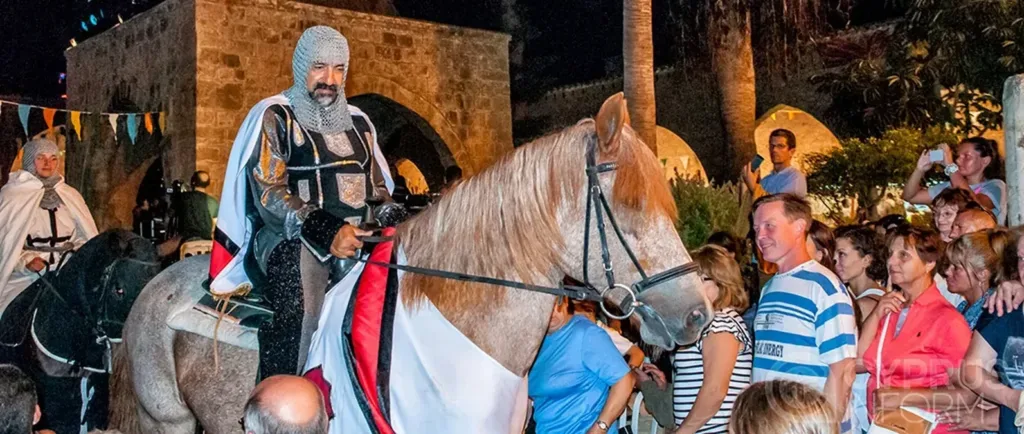
The Ayia Napa Medieval Festival usually takes place in autumn and features historical themes, performances and crafts. Do not plan your trip around an old date. Check which streets are closed, where the nearest entrance is, and whether the programme will finish before your last bus.
Checking the event details before you travel
Start with the Visit Cyprus calendar, then go to the website of the municipality, community or organiser. Check the name, year, publication date, venue, times, price and whether registration is required. Search engines often display an old PDF above a more recent announcement, so checking the year within the document is essential.
Plan your journey there and back, taking road closures into account. Note down your parking spot, bus stop, last service and a backup option. If a ticket is required, only buy it via the official organiser’s link. Keep a screenshot of your confirmation offline, but check your notifications: it doesn’t protect against the event being rescheduled.
On the day of the event, bring water, suitable clothing and some cash; do not block passageways and respect religious or local customs. If the event is cancelled, do not attempt to enter the closed venue. Check the news for any last-minute changes, and use this calendar as a reliable seasonal guide.