Cyprus city centres show rising rents alongside vacant plots and deteriorating buildings
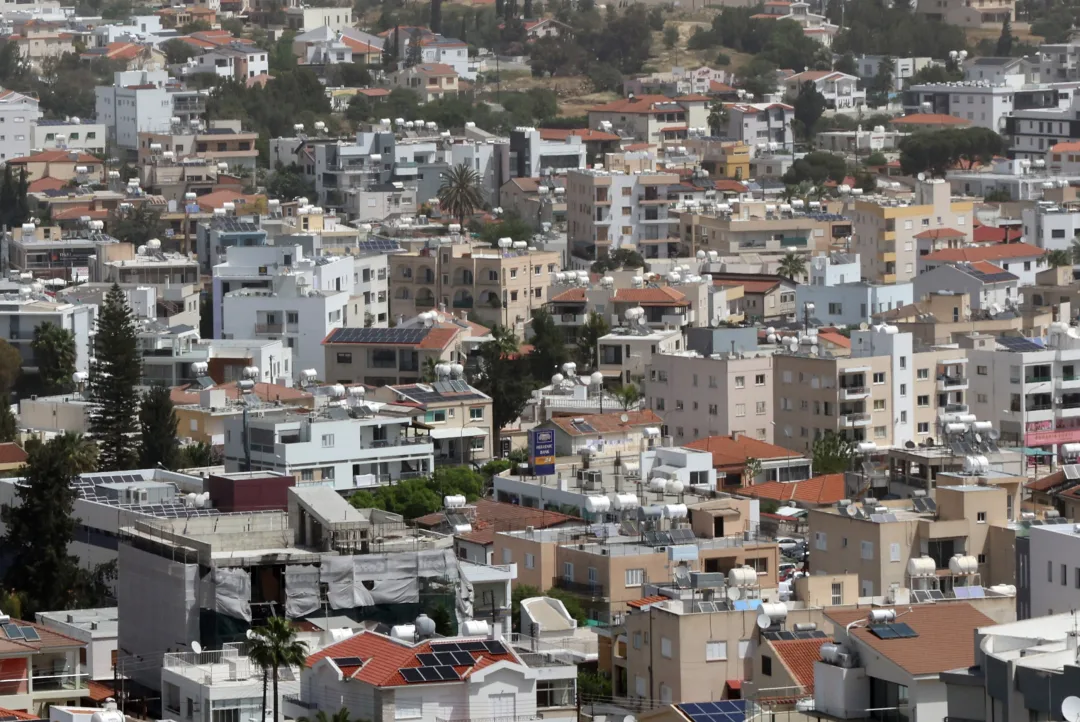
Nicosia, Cyprus. Vacant plots and deteriorating older buildings sit alongside rising rents in Cyprus city centres, a pattern linked in the article to incentives that discourage investment and redevelopment.
Rents rising amid visible underuse
Walking through the centre of Nicosia, Limassol, or Larnaca, vacant plots that have remained idle for decades and buildings from the 1960s and 1970s are described as peeling, neglected, and deteriorating. At the same time, rents are rising, with average asking rents for apartments in Nicosia reported to have increased by over 40 per cent in the past four years.
Incentives affecting landlords and tenants
In a supply-constrained market, the article argues that a property can find a tenant regardless of condition, reducing the incentive for landlords to invest in upgrades when costs are immediate and returns uncertain. Over time, it says, rental stock degrades without formal accountability for the decline.
For tenants, the article describes a related problem: on a 12-month lease with no security of tenure and no legal mechanism to recover improvement costs, spending money on a property they do not own is presented as irrational. This is described as creating a gap between needed repairs and who will pay for them.
Undeveloped land and fragmented ownership
The article says Cyprus inheritance laws have fragmented ownership across generations, meaning a single plot in central Nicosia may have ten, fifteen, or twenty co-owners, including owners in the diaspora. It states that reaching consensus to develop such plots is costly, legally complex, and slow.
It also notes that Cyprus abolished its Immovable Property Tax in 2017, removing what it describes as virtually the only financial pressure to act, making inaction a rational choice while households compete for limited available housing stock.
Proposed policy changes
The article argues that the issue is not resolved through mediation between landlords and tenants but through legislation, including holding taxes on undeveloped urban land, longer-term tenancy frameworks that reward investment in property condition, and co-ownership mechanisms intended to make redevelopment legally tractable.
What changes, if any, should be made to encourage redevelopment and maintenance in Cyprus city centres?
This news item was generated automatically by Cyprus Inform from publicly available materials. Report an error →