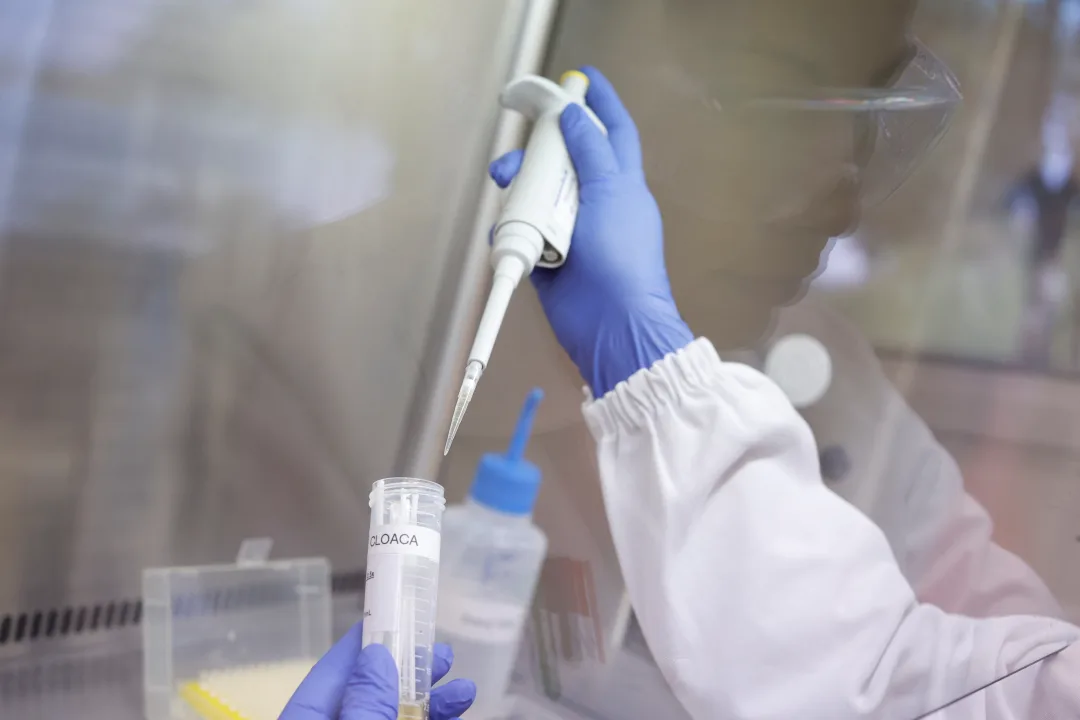
Nicosia, Cyprus. The Cyprus Institute of Neurology & Genetics has developed an advanced test that upgrades preimplantation genetic testing for monogenic disorders, aiming to improve how families plan for healthy pregnancies when genetic conditions are a risk.
Upgraded methodology for PGT-M
The institute said the test enhances methodologies for preimplantation genetic testing for monogenic disorders, which are genetic conditions caused by pathogenic variations in a single gene. The institute cited conditions including beta-thalassemia, sickle cell anaemia, cystic fibrosis and neurofibromatosis.
Following years of research, the institute’s blood disorder genetics and thalassemia department said it has moved closer to a robust universal PGT-M test designed to assess every couple at risk.
In a press release on Thursday, the institute said that about 50,000 babies are born with beta-thalassemia every year worldwide and that the breakthrough applies to monogenic disorders affecting millions of families globally.
How PGT-M is used in IVF
PGT-M allows couples undergoing IVF to test embryos before implantation so that only healthy embryos without the genetic condition are transferred to the uterus.
The institute said the breakthrough enables PGT-M in cases previously difficult or impossible to assess, including couples with new (de novo) pathogenic variations, couples without family members available to track inheritance and couples carrying multiple monogenic disorders.
Long-read sequencing and turnaround time
The institute said that by using long-read sequencing, the PGT-M panels are faster to set up, more universal, and deliver results with significantly reduced turnaround time and exceptional accuracy.
It described long-read sequencing as enabling scientists to read much larger pieces of DNA at once, which it said allows analysis without needing help from relatives.
The institute said the technology works in cases where pathogenic variations are inherited from both parents and in cases involving de novo variations in one parent.
Testing in families at risk for beta-thalassemia
The team tested the approach on 12 families at risk for β-thalassemia, with the institute describing the results as extremely promising.
How could access to faster and more universal PGT-M testing affect your family’s reproductive planning?