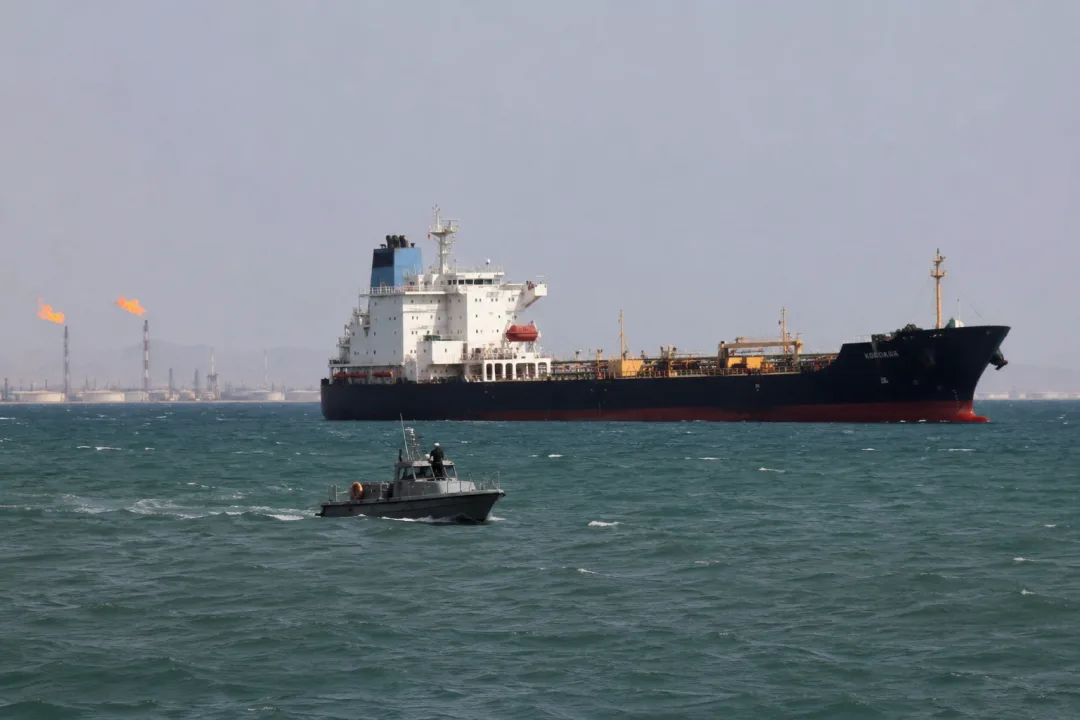
Athens, Greece. Global shipping is entering a period of deeper and more sustained geopolitical instability, with crises from the Strait of Hormuz to the Black Sea and Libya forming part of a wider threat environment affecting merchant vessels, energy flows and critical infrastructure. According to EOS Risk, risks facing shipping now extend beyond traditional conflict or oil disruption and include connected military, cyber and infrastructure threats.
Expanding threat environment
Nikolas – Alketas Drosos, Maritime Commercial Manager & Country Representative for Greece and Cyprus at EOS Risk Group, said the risks now facing shipping are increasingly interconnected. He said military tensions, cyber threats, sea mines, drone attacks, energy shocks and hybrid operations are creating a more complex operating landscape for shipowners and crews.
“For the international shipping industry, the question is no longer whether there is a risk. The question is how quickly a regional crisis can turn into a global shipping shock,” Drosos said.
Strait of Hormuz concerns
The main focus of concern remains the Middle East, particularly the Strait of Hormuz, one of the world’s most important maritime chokepoints.
Drosos said the region is gradually evolving into a modern “hybrid choke point”, where the threat concerns not only energy flows but also the functioning of the global digital economy.
“Drone attacks, electronic interference in GPS/GNSS, increased military presence and cyber threats create an extremely unstable operating environment for commercial ships,” he said.
According to analyses by EOS Risk, the crisis in Hormuz is no longer confined to oil traffic. Critical undersea fibre optic cables also run beneath the region’s waters, carrying an estimated 99 per cent of global internet traffic.
These systems support banking, logistics, cloud infrastructure and international communications. EOS Risk said a major disruption, whether caused by military action or accident, could trigger wider consequences not only for energy markets but also for global supply chains and digital services.
Black Sea risks
While international attention remains focused on the Persian Gulf, the Black Sea continues to become one of the most dangerous environments for international shipping, according to EOS Risk.
EOS Risk’s latest analysis of the Black Sea said the risk of Russian attacks on Ukrainian ports has risen to “High”, while the risk to commercial vessels linked to Ukrainian or Russian interests is also considered high. The analysis also said the risk of misidentification or collateral damage to third-party merchant ships operating in the area is significant.