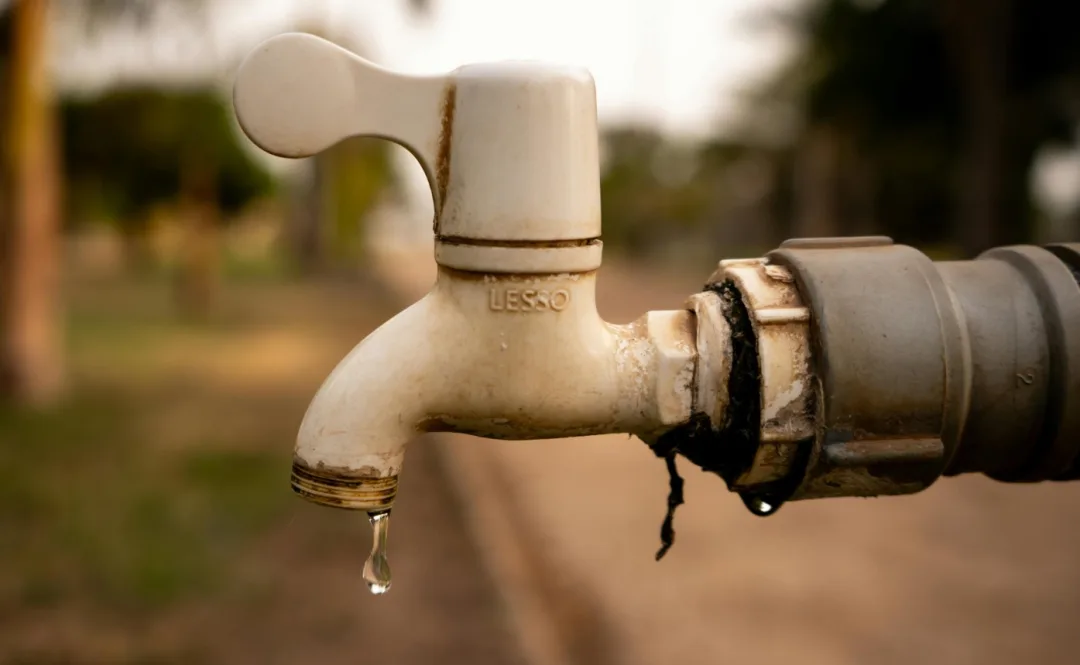
Ranerou, Senegal. Researchers and local communities are working in six African countries to restore land, water and livelihoods through nature-based solutions. The work is being carried out through innovation sites known as Living Labs established by TRANS-SAHARA.
Restoration efforts in north-east Senegal
In Ranerou, locals and environmental experts are working together to improve livelihoods and farming conditions and to protect biodiversity. Activities include planting and managing trees to improve soil quality, and excavating and reinforcing a local pond to help it retain more rainwater.
The pond restoration is underway ahead of the rains. The rainy season previously ran from July to October but now often begins in August, increasing the focus on conserving water.
Six Living Labs across varied conditions
The Ranerou site is one of six Living Labs set up by TRANS-SAHARA. The other five sites are in Chad, Djibouti, Ethiopia, Ghana and Tunisia, and were selected to reflect different conditions across the region.
TRANS-SAHARA, alongside sister initiatives AfroGrow and GALILEO, is developing nature-based solutions for land and water management across Africa.
Local participation and stated needs
Researchers work with local communities to test agroforestry techniques intended to restore degraded ecosystems, improve water and food security, and increase farmers’ incomes across North and sub-Saharan Africa, particularly in the Sahel region.
“People in the local area tell us: ‘We need water. We need water today and we need water tomorrow’,” said Aminata Diallo Sy, head of partnerships and fundraising at the Senegalese Agency for Reforestation and the Great Green Wall.
Diallo Sy said community input is central to project effectiveness. “We need the vision of the local communities, because they are the ones who implement the project. They need to be involved to have an efficient project with good results.”
Great Green Wall and the WEFE Nexus approach
The Great Green Wall Initiative is a land restoration programme endorsed by the African Union and backed by the UN Convention to Combat Desertification. It involves 11 countries and aims to restore a continuous belt of land stretching 8,000 kilometres across Africa from Senegal to Djibouti.
TRANS-SAHARA operates within the Water-Energy-Food-Ecosystems (WEFE) Nexus framework. Unlike conventional agroforestry, which focuses on integrating trees with crops and livestock, the WEFE Nexus approach treats water, energy, food and ecosystems as parts of a single system.
How do you think community-led projects can improve water security in drought-prone regions?