Analyst warns Middle East security shifts could limit Cyprus’ control
A regional security analyst said the Mecca defence agreement reflects growing polarisation but does not constitute a Nato-style alliance.
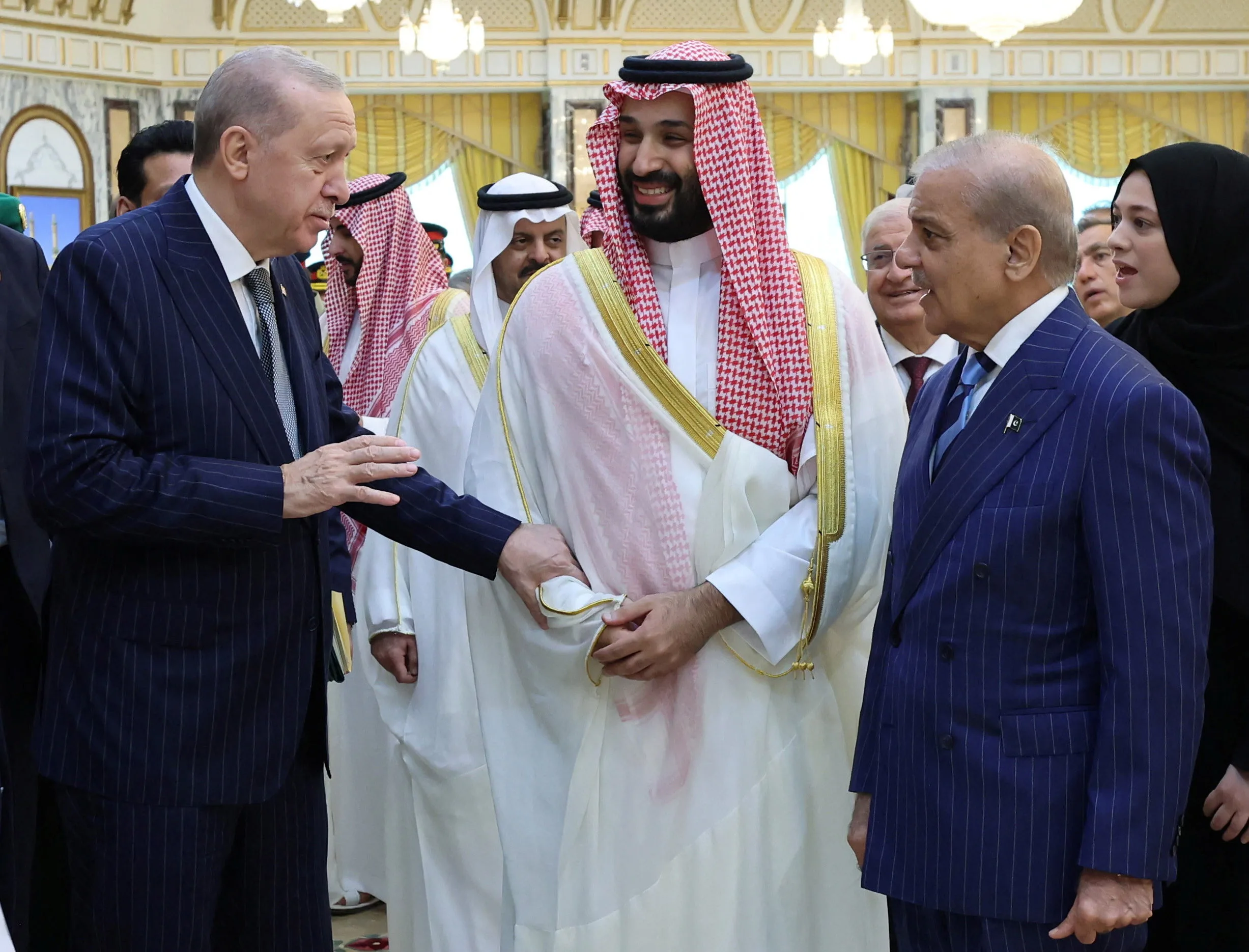
Athens, Greece. Emerging security arrangements in the Middle East risk leaving Cyprus with less control over its security as regional powers are pushed towards competing alignments, analyst Ilya Roubanis said on Monday. He said the Mecca joint defence agreement between Saudi Arabia, Turkey and Pakistan should not be viewed as a Nato-style military alliance.
Agreement’s regional significance
Roubanis, an area studies analyst and research fellow at the Institute of International Relations (IDIS) in Athens, told the Cyprus Mail that the agreement signed earlier this month was significant for Cyprus less because it could create a new military alliance than because it reflected an increasingly polarised region.
He rejected comparisons with Nato, including suggestions that the agreement amounts to an Article 5-style collective defence commitment.
“The Mecca agreement is not an alliance,” he said, noting that the text of the agreement has not been released.
No evidence of joint military structure
Roubanis said there was no evidence of a joint command-and-control structure, a common security policy or an established framework for political coordination.
“At best this is a sum of deep bilateral relations. We should not assume that a war of Turkey, say around Cyprus, would involve Saudi troops or indeed Pakistani troops,” he said.
He added that much of the discussion comparing the agreement to Article 5 had come from commentators rather than diplomats or foreign ministries.
Saudi-Pakistani ties
Saudi Arabia and Pakistan already had a deep bilateral defence relationship before the latest agreement, Roubanis said, meaning it could in some respects be seen as the existing Saudi-Pakistani relationship with a Turkish component added.
He said similar caution was needed over speculation that Saudi Arabia could benefit from Pakistan’s nuclear deterrent.
“One should distinguish between facts and thought,” he said, describing discussion of an Article 5-style guarantee as “largely hot air”.
This news item was generated automatically by Cyprus Inform from publicly available materials. Report an error →