Aviation expert calls for stronger safety focus after Greece firefighting helicopter crash
Flight Safety Foundation Mediterranean chairman Chrysanthos Hadjichrysanthou said aerial firefighting safety must be continuously improved after two people died in a helicopter collision near Athens.
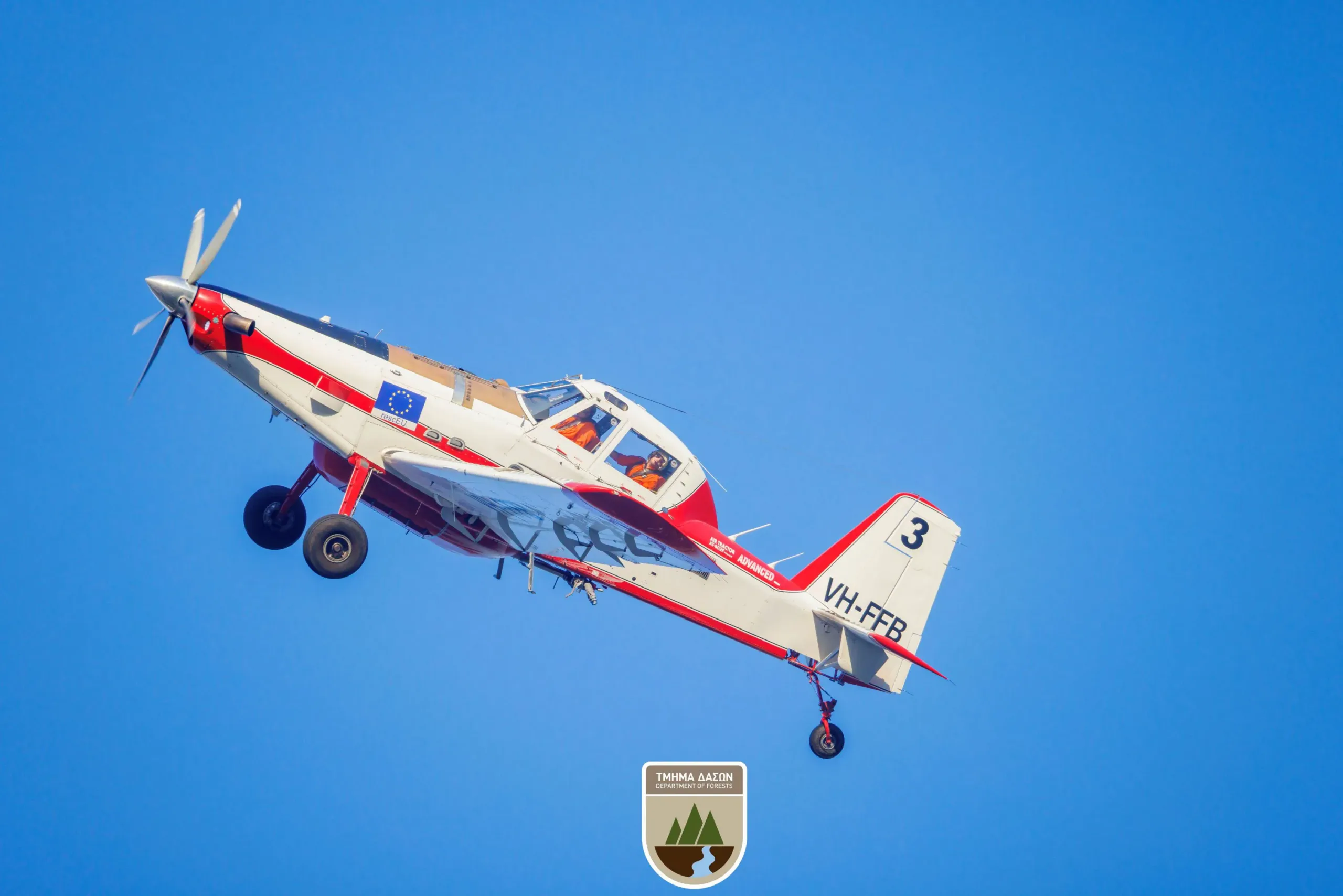
Athens, Greece. Safety in aerial firefighting missions should remain the top priority and be continuously improved, aviation expert Chrysanthos Hadjichrysanthou said after a recent helicopter accident in Greece that killed two people.
The chairman of the Flight Safety Foundation Mediterranean (FSF-MED) said it was too early to establish the exact cause of the incident, as the investigation remains under way.
Psatha collision
On August 2, two helicopters collided while fighting a wildfire near Psatha, 65km west of Athens.
A Danish pilot and a Greek fire brigade liaison officer were killed when one helicopter caught fire and crashed into a ravine. The second helicopter was damaged but made an emergency landing, with its British pilot and Greek coordinator surviving.
Safety requirements
Hadjichrysanthou said every such incident was a reminder that firefighting missions require continuous alertness.
He said helicopters used in such operations must hold a valid flight capacity certificate, be maintained in line with manufacturers’ specifications and aviation authority requirements, and be operated by properly trained and experienced crews.
Possible causes of aviation accidents can include human error, technical failure, adverse weather conditions or a combination of factors, he said.
Cyprus framework
Prevention depends on strict adherence to procedures, quality training, proper maintenance and effective risk management, Hadjichrysanthou said.
He said aircraft operating in Cyprus must comply with Civil Aviation Authority requirements and, where applicable, European Aviation Safety Agency standards.
Cyprus has a satisfactory inspection framework, he said, while noting scope for improvement in training, coordination between services, modern technology and the exchange of experience with other countries.
Weather factors, including extreme heat, strong winds and smoke, are considered under manufacturers’ specifications. The final decision on whether to fly rests with the aircraft captain, with safety as the overriding consideration.
This news item was generated automatically by Cyprus Inform from publicly available materials. Report an error →