Brazil faces close presidential runoff between Lula and Flavio Bolsonaro
Brazilians vote on Sunday in a closely contested runoff shaped by living costs, crime, corruption scandals and tensions over US involvement.
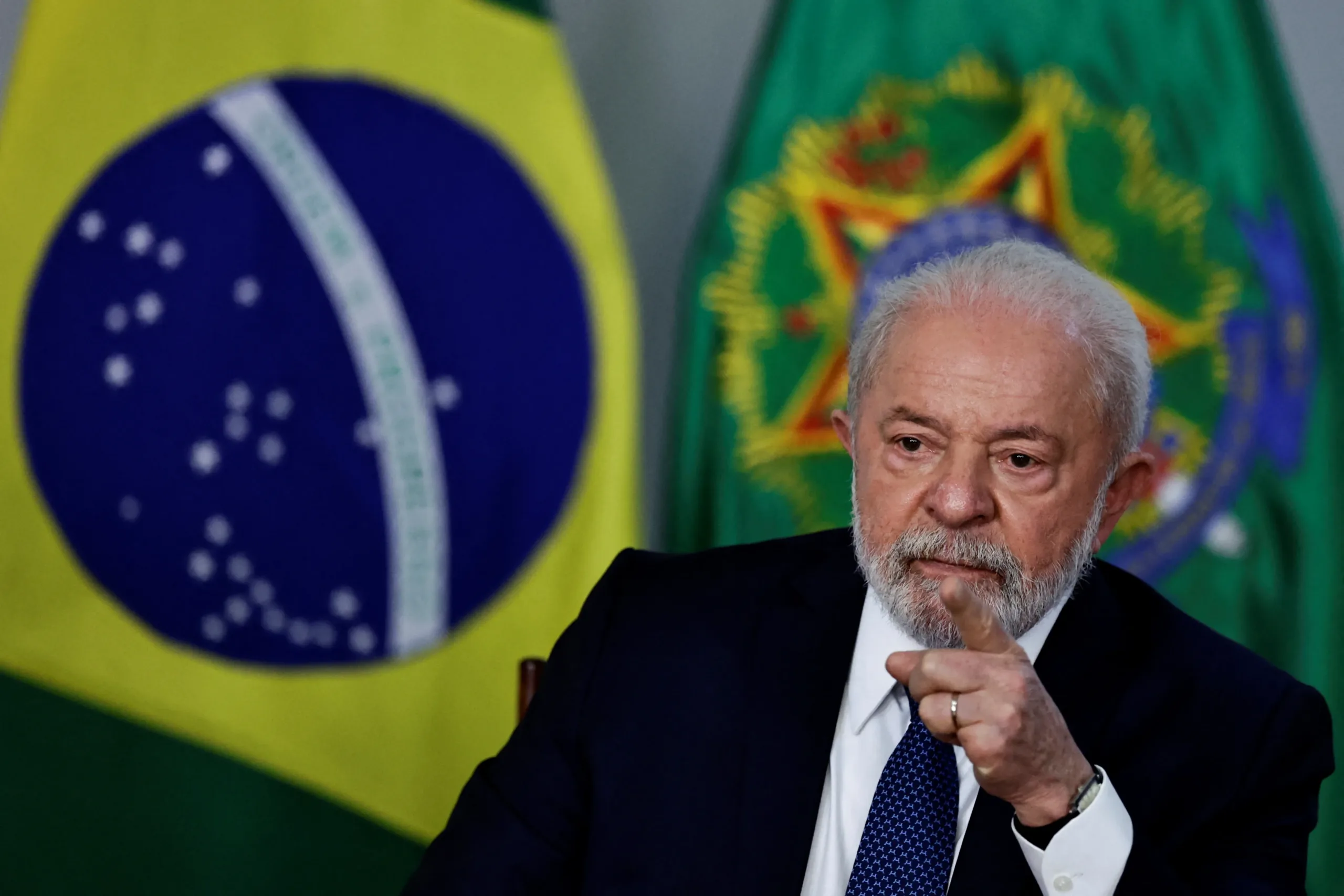
Brasilia, Brazil. Brazilians vote on Sunday in a closely contested presidential runoff between incumbent leftist Luiz Inacio Lula da Silva and right-wing Senator Flavio Bolsonaro. A Bolsonaro victory could steer Latin America’s biggest country substantially to the right and towards closer ties with the United States, reinforcing the region’s conservative trend.
First-round upset leaves runoff finely balanced
Bolsonaro, 45, is the son of former President Jair Bolsonaro, who has been convicted. He surprised pollsters earlier this month by finishing first in the initial voting round.
Opinion polls now put the contenders almost level, with Lula narrowing Bolsonaro’s advantage during the closing days of campaigning. Electoral history nevertheless favours Bolsonaro: nobody who finished second in the opening round has subsequently won the presidency.
Success for Bolsonaro would add to a series of regional victories by right-wing politicians aligned with US President Donald Trump. Lula securing a fourth term would disappoint Washington, whose disputes with his administration have covered security and trade.
US tariffs and coup conviction shape campaign
Corruption scandals, worries about the economy and allegations of American interference have dominated the contest. Washington rejects accusations that it has meddled.
The campaign has also unfolded against the repercussions of Jair Bolsonaro’s conviction in 2025 for planning a coup in 2022. Flavio Bolsonaro has promised to secure his father’s freedom if elected.
Trump described the prosecution as a “witch hunt”. In 2025, he placed a 50% tariff on Brazil, explicitly tying the measure to Jair Bolsonaro’s trial. Many of those tariffs were subsequently reduced, but Trump introduced further levies against Brazil this year, citing trading practices he deemed unfair.
Lula has portrayed the Trump administration’s close relationship with the Bolsonaro family as an effort to influence the vote. He has also characterised the tariffs and other punitive actions as bullying.
Household finances and gang violence concern voters
Although unemployment and inequality have declined, Lula has had difficulty persuading voters burdened by expensive daily necessities and substantial household debts. Persistent gang violence is another concern for the electorate.
Bolsonaro has tried to turn those financial pressures to his advantage while advocating a forceful response to crime. His pledges include maximum-security prisons and chemical castration for grave sexual offences.
This news item was generated automatically by Cyprus Inform from publicly available materials. Report an error →