Canada to impose retaliatory tariffs on U.S. goods after trade talks collapse
Canada will introduce tariffs on selected U.S. imports from September 8 in response to new 50% U.S. levies on Canadian products.
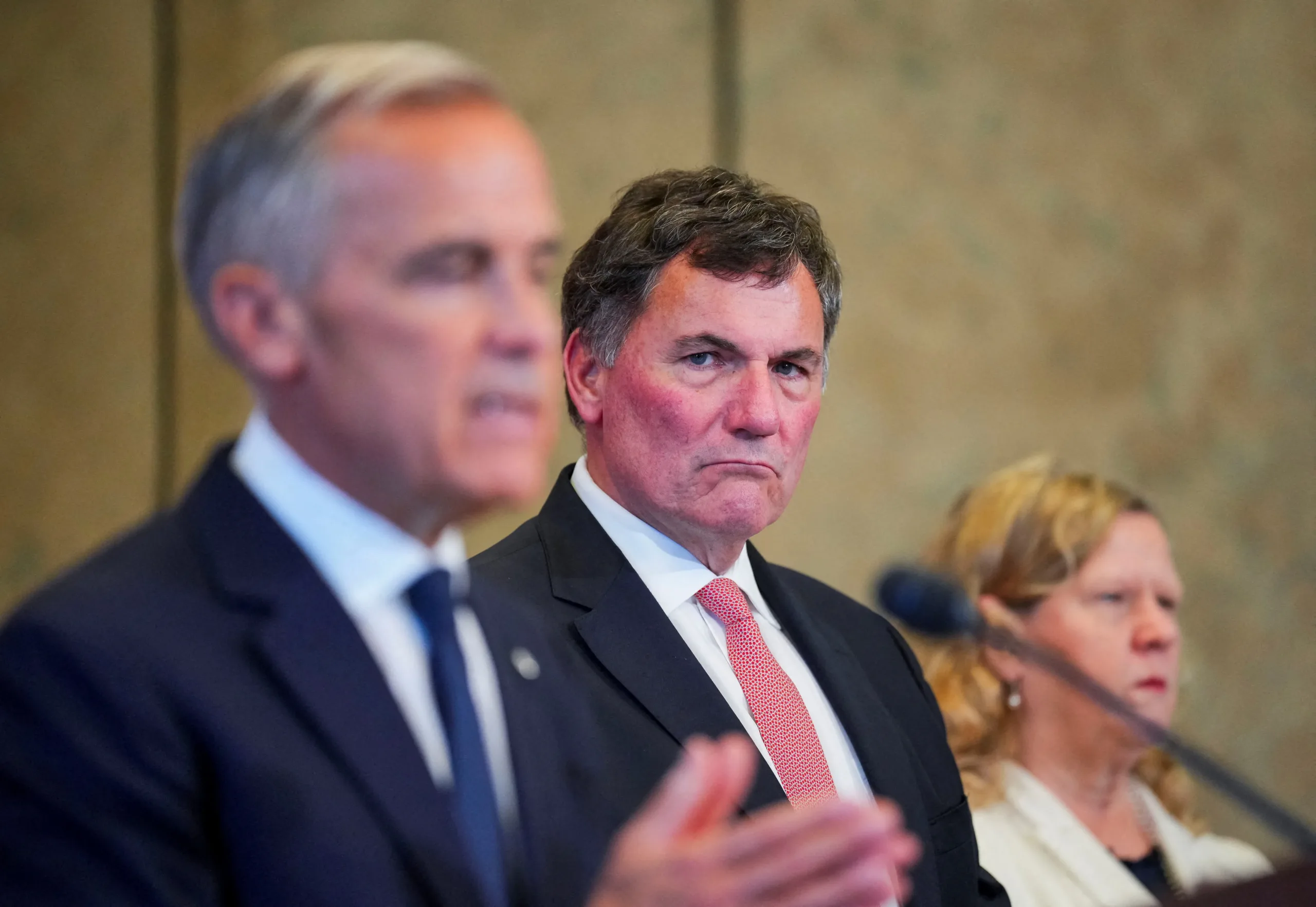
Ottawa, Canada. Prime Minister Mark Carney said Canada will impose tariffs on selected U.S. goods after trade negotiations with the United States collapsed.
The “dollar for dollar” measures, covering U.S. steel, electronics and other products, will take effect on September 8.
Trade talks break down
Canada and the United States failed to reach a trade agreement late on Friday after three days of intensive negotiations, with both sides blaming the other for the breakdown.
The failure complicates the future of the U.S.-Mexico-Canada free-trade pact.
New U.S. levies
President Donald Trump ordered 50% tariffs on Canadian products in sectors including wine, furniture, dairy products, cement, clothing, fishing rods and hockey equipment.
The tariffs cover about $20 billion of Canadian exports to the United States and do not exempt products covered by the three-nation trade agreement, which has shielded most Canadian exports to the U.S. over the past 18 months.
Canadian response
“Canada will match Washington’s new tariffs dollar for dollar in order to protect Canadian workers, farmers, families, and businesses,” Carney told a press conference.
Asked whether Canada was engaged in a trade war, Carney said: “You’re at war when you get attacked. We got attacked.”
Carney is among the few global leaders to retaliate against U.S. tariffs and has pledged to develop new trade and military alliances, despite Canada sending nearly 70% of its exports to the United States.
U.S. position
U.S. Trade Representative Jamieson Greer described the collapse of negotiations as “a missed opportunity for Canada to partner with the United States” and said no new talks with Canada were planned.
“We’re moving forward with measures that respond to Canadian retaliation,” Greer told Fox News. “They’ve always had the best deal, and they still would have an even better deal, but they didn’t want that.”
The White House, the office of the U.S. commerce secretary and the U.S. trade representative’s office did not immediately respond to requests for comment.
This news item was generated automatically by Cyprus Inform from publicly available materials. Report an error →