Cyprus shipping faces uncertainty as IMO net-zero talks end without agreement
IMO negotiations in London ended without an agreed text on global net-zero shipping rules, with further talks planned for November.
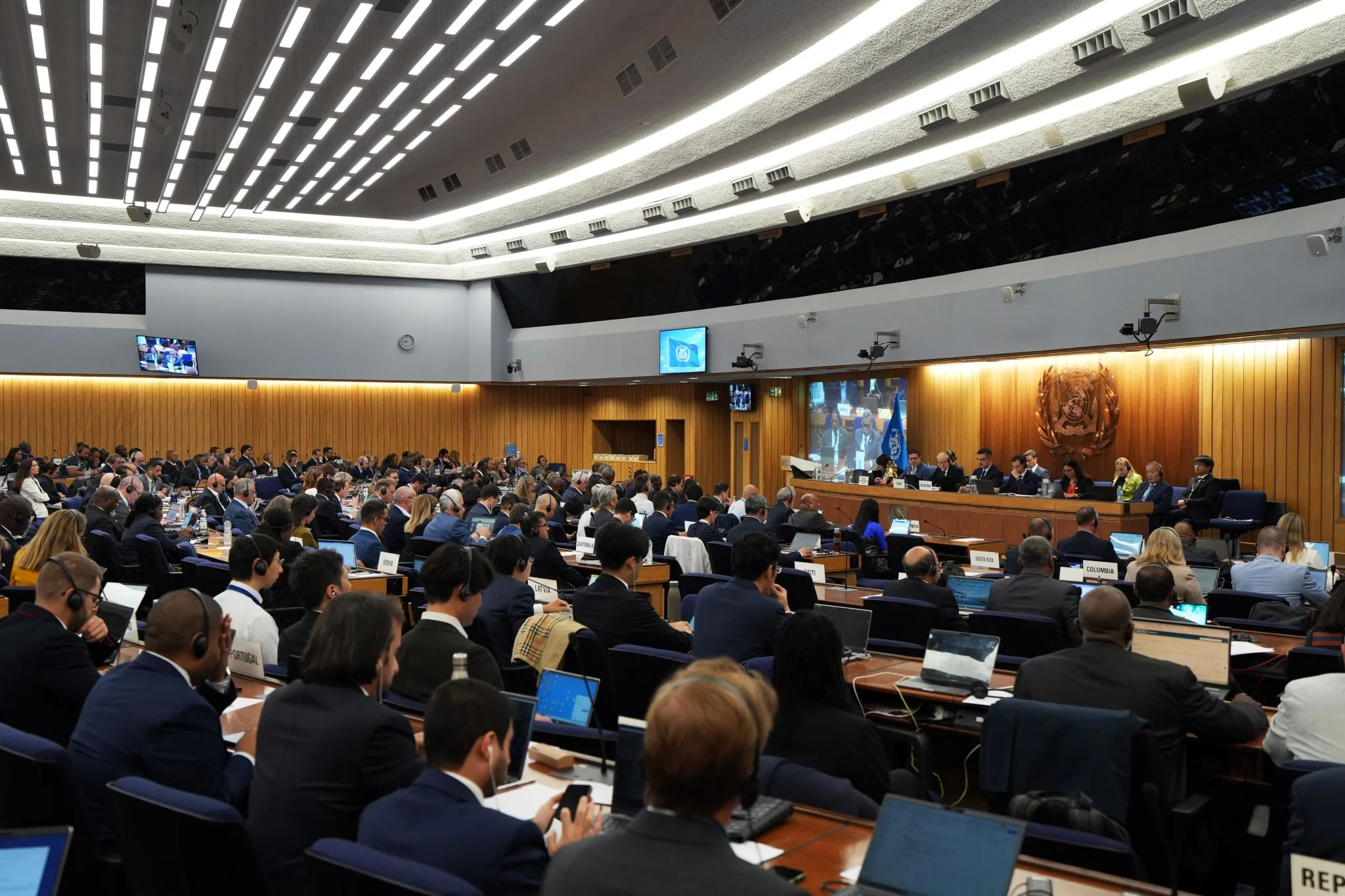
London, United Kingdom. Cyprus shipping faces another period of uncertainty after four days of International Maritime Organisation negotiations ended without agreement on a new text for global rules intended to steer international shipping towards net zero. The talks will continue in November.
September negotiations
The 22nd session of the IMO working group was held in London from September 1 to 4, bringing together nearly 1,200 participants in person and online.
Governments sought to narrow remaining differences over the organisation’s Net-Zero Framework. The meeting did not abandon the framework but did not resolve concerns that have prevented its final adoption, leaving commercially important details for another negotiating round.
Proposed MARPOL amendments
According to the IMO, discussions focused on proposals submitted to MEPC 84 and 85, previous working-group sessions and ISWG-GHG 22. The proposals aimed to address concerns surrounding proposed amendments to MARPOL Annex VI.
Working-group chairman Sveinung Oftedal said participants showed what the IMO described as a “genuine willingness” to make further progress and work towards presenting a text to MEPC 85 that reflects greater convergence.
Delegations were invited to continue consultations between meetings and submit concrete proposals addressing outstanding concerns. The IMO is seeking what it described as “timely adoption and effective implementation”.
Emission reduction targets
The September session forms part of the IMO’s longer effort to convert its climate ambitions into binding global shipping rules.
Under the 2023 IMO GHG Strategy, international shipping is expected to reach net-zero greenhouse gas emissions by or around 2050.
The strategy calls for annual greenhouse gas emissions from international shipping to fall by at least 20 per cent by 2030, while striving for a 30 per cent reduction, compared with 2008 levels. By 2040, emissions should fall by at least 70 per cent, while striving for an 80 per cent reduction.
This news item was generated automatically by Cyprus Inform from publicly available materials. Report an error →