Eastern Mediterranean shipping climate ambitions outpace implementation, survey finds
A HELMEPA survey finds shipping companies are strengthening climate strategies while financial pressures, skills shortages and limited capacity hinder implementation.
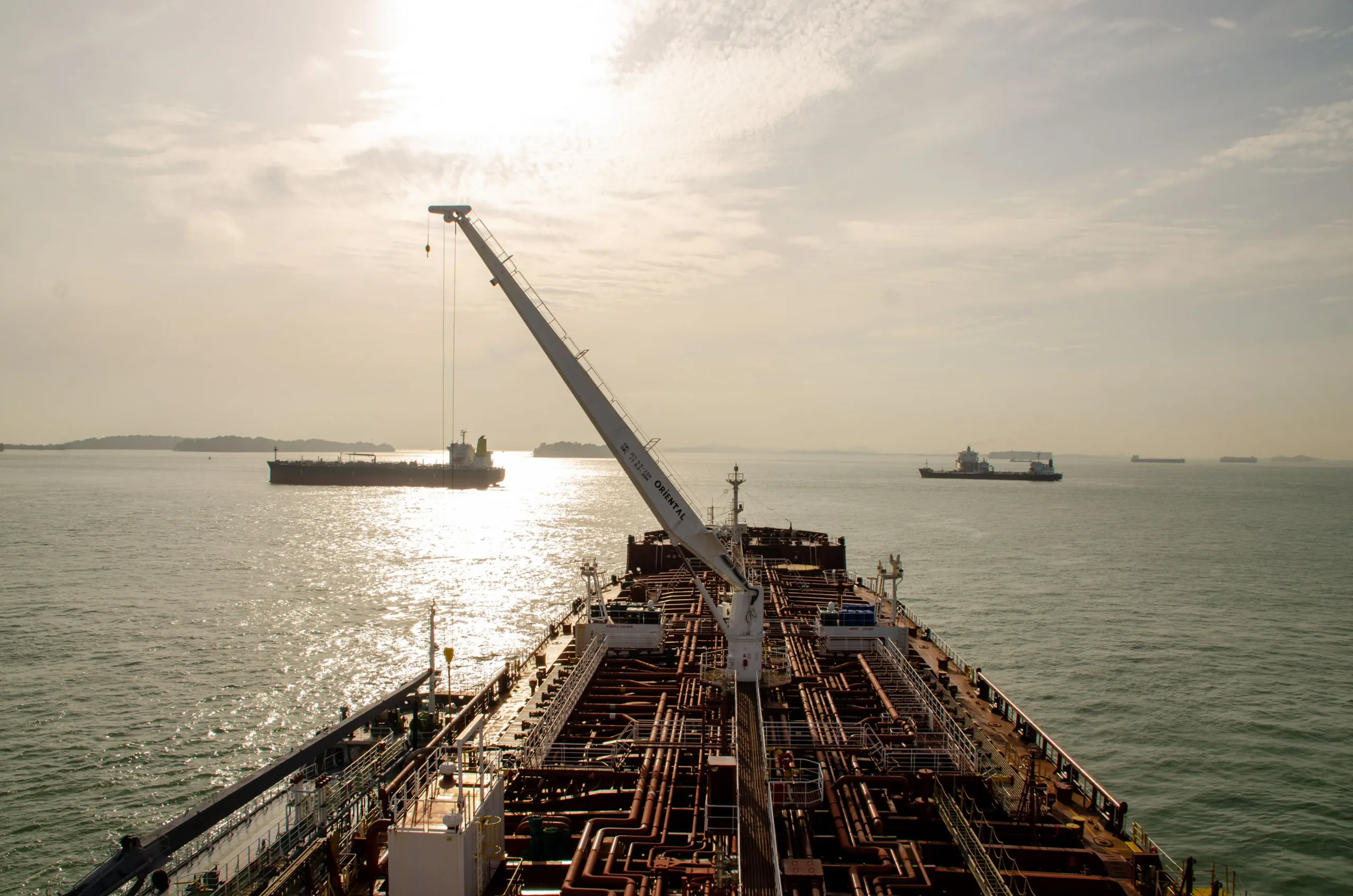
Athens, Greece. Shipping companies in the Eastern Mediterranean are raising their climate ambitions faster than their ability to implement them, according to a survey released by the Hellenic Marine Environment Protection Association (HELMEPA). Financial pressures, skills shortages and limited operational capacity are emerging as increasingly significant obstacles to decarbonisation.
Survey scope
The second wave of the METAVASEA survey gathered 1,182 responses from seafarers, shipping companies, port administrations, service providers, suppliers, civil society and port cities.
Data were collected between December 2024 and November 2025, bringing the combined number of responses from the first two survey waves to 2,080.
The findings show that companies are increasingly aligning their strategies with international climate targets, but implementation is proving considerably harder.
Climate strategies gain ground
The share of shipping company representatives reporting that their organisation had a net-zero strategy aligned with the International Maritime Organisation’s (IMO) 2050 target rose from 14 per cent in the first survey wave to 22 per cent. A further 9 per cent said their company had adopted a more ambitious strategy.
Meanwhile, 59 per cent said their company had a Sustainability Manager or dedicated sustainability department, up from 49 per cent previously. The proportion monitoring Scope 1 emissions increased from 73 per cent to 78 per cent.
Implementation barriers increase
Financial constraints were cited by 59 per cent of respondents, compared with 46 per cent previously. The proportion reporting limited implementation capacity rose from 29 per cent to 50 per cent.
Insufficient awareness of available solutions was reported by 50 per cent, almost double the previous figure of 27 per cent.
Tighter international and European rules
The gap between ambition and implementation comes as shipping faces tighter international and European rules.
The IMO’s greenhouse gas strategy targets net-zero greenhouse gas emissions from international shipping by or around 2050. It also sets indicative reductions of at least 20 per cent by 2030 compared with 2008 levels, while striving for 30 per cent.
European operators are already working under the EU Emissions Trading System, which has covered maritime transport since January 2024. The proportion of emissions requiring allowances is being phased upwards, reaching 100 per cent from 2026, when methane and nitrous oxide also enter the system alongside carbon dioxide.
This news item was generated automatically by Cyprus Inform from publicly available materials. Report an error →