ECtHR rules against Cyprus over Moroccan asylum seeker’s prolonged detention
The European Court of Human Rights found a violation over a Moroccan asylum seeker's 13.5-month detention in Cyprus but rejected his complaint about judicial review.

Strasbourg, France. The European Court of Human Rights (ECtHR) this week ruled in favour of a Moroccan asylum seeker who challenged his prolonged detention in Cyprus on national security grounds. It found a violation concerning his detention but no violation concerning the procedural fairness of its judicial review.
Detention and release
The applicant, identified only by his initials KA and now residing in Oroklini, entered Cyprus irregularly through the north and applied for asylum on January 10, 2019.
Related: High Court rules MI5 and its staff will not face contempt proceedings over false information
 RelatedHigh Court rules MI5 and its staff will not face contempt proceedings over false information
Authorities ordered his detention that same day on national security grounds after a database belonging to a cooperating foreign service flagged him as a terrorism suspect.
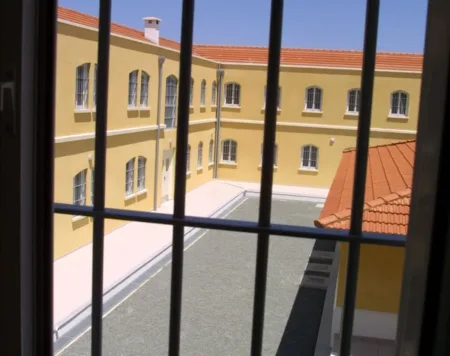
He was held at the Menoyia Detention Centre for Prohibited Immigrants from January 2019 until February 24, 2020, when the Supreme Court ordered his release on a writ of habeas corpus.
In the meantime, the Administrative Court had found his detention lawful, relying in part on three classified documents that had not been disclosed to him.
Findings on prolonged detention
In KA v Cyprus, the ECtHR found that the Republic violated Article 5, Paragraph 5 of the European Convention on Human Rights, which guarantees the right to liberty and security and permits deprivation of liberty only in exhaustive, legally prescribed circumstances.
The court found that Cypriot authorities lacked a consistent understanding of the purpose of the detention, that the material underlying the suspicions remained unchanged and that the asylum proceedings had not been advanced.
It held that the detention had no sufficiently close connection with the prevention of unauthorised entry and that its 13.5-month duration exceeded what was reasonably required.
Judicial review complaint rejected
KA’s application also challenged the procedural fairness of the judicial review of his detention, which relied partly on documents not disclosed to him.
On this complaint, the ECtHR found that he had been informed of the legal basis and reasons for his detention, had access to the remaining relevant material, was represented by a lawyer and could challenge the open material before the domestic courts. It therefore found no violation.
Related news



This news item was generated automatically by Cyprus Inform from publicly available materials. Report an error →

Write a comment