Fiscal Council warns Cyprus’ climate delays could threaten public debt sustainability
Fiscal Council chairman Andreas Charalambous warned that delays in Cyprus’ energy transition and environmental policies could create long-term risks for public finances.
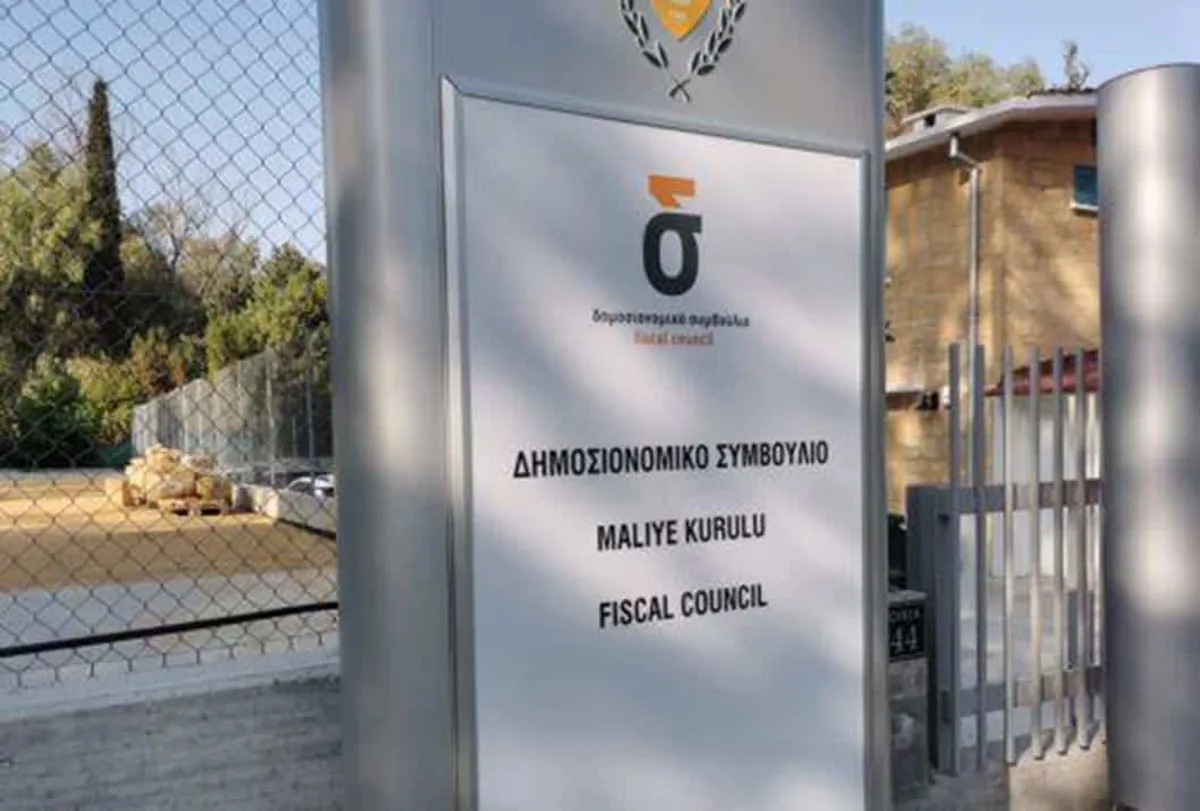
Nicosia, Cyprus. Cyprus’ slow response to climate change and delays in its energy transition could pose a growing risk to public debt sustainability, Fiscal Council chairman Andreas Charalambous warned at the Cyprus Forum. He cited shortcomings in energy storage, infrastructure and environmental policy.
Fiscal risks and missed targets
Charalambous said the Fiscal Council’s recently published 2026 interim report places significant emphasis on the economic consequences of climate change as a potential risk to public finances.
Related: Eurobank: France Faces No Immediate Debt Crisis but Long-Term Fiscal Risks
 RelatedEurobank: France Faces No Immediate Debt Crisis but Long-Term Fiscal Risks
“Generally, the situation is concerning,” he said. Cyprus is “behind on storage”, he added, despite its importance to increasing the share of renewable energy in electricity production.
He also pointed to weaknesses in recycling, waste management and energy efficiency. Cyprus has fallen behind its own targets, which are less ambitious than broader EU objectives, while the infrastructure needed to meet them remains lacking, he said. This showed “a deficit in planning to achieve the lower targets we have set”, particularly in the energy sector and the transition away from conventional fuels.
Emissions and renewable energy
Theodoros Zachariadis, professor and acting director of the Energy, Environment and Water Research Centre at the Cyprus Institute, said Cyprus was the only EU member state where greenhouse gas emissions continued to rise. He linked the increase mainly to the country’s heavy reliance on fossil fuels for electricity generation.
European Environment Agency data show that Cyprus’ total greenhouse gas emissions, excluding land use and forestry, rose by 59.2 per cent between 1990 and 2022, with energy remaining the largest contributor.
Zachariadis said renewable sources currently provide about 25 per cent of Cyprus’ electricity. He estimated that their use had saved the country more than €500 million over the past decade.
Related news



This news item was generated automatically by Cyprus Inform from publicly available materials. Report an error →

Write a comment