Kenya confirms third Ebola case in woman related to first two patients
Kenya’s health ministry said a 65-year-old woman had become the country’s third Ebola patient, with no evidence of wider community transmission.
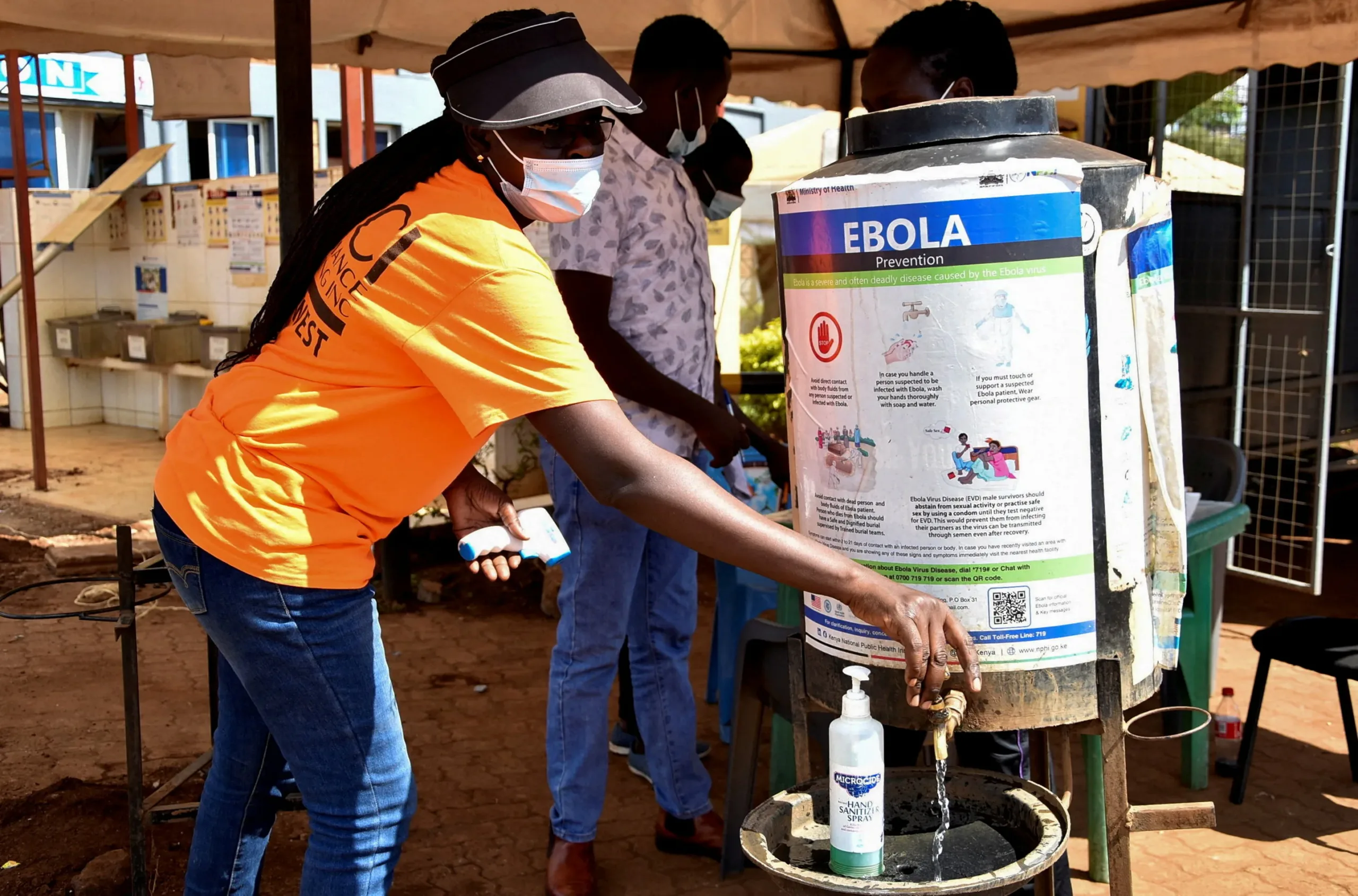
Nairobi, Kenya. Kenya confirmed a third Ebola infection on Friday, identifying the patient as a 65-year-old woman closely related to the two previously reported patients. The health ministry said she had been quarantined since October 6 and was receiving supportive treatment following an early diagnosis.
Patient care and contact tracing
In a statement, the ministry said the woman was moved into isolation after developing a fever, throat soreness and malaise. Samples were taken for testing, and the ministry said detecting the infection early improved her prospects of recovery.
The second patient remained stable, according to the ministry, which said there was still no indication of transmission in the broader community.
Kenyan authorities said they had reached 127 of the 130 identified contacts of the first patient and placed them in quarantine. Efforts continued to locate the other three.
Cases linked to Congo epidemic
Authorities have linked the Kenyan infections to the Ebola epidemic in Congo. That outbreak is the second largest on record, with infections exceeding 9,000 and deaths exceeding 4,000.
The first patient identified in Kenya was a Kenyan man who had spent about a month ill in Congo before travelling overland to Uganda. He then took a flight to Nairobi on October 3. A relative drove him to hospital, and he died on October 5.
The arrival of Ebola in Kenya has prompted concerns over weaknesses in screening procedures. The man crossed from Congo into Uganda despite the border having been closed since May, before travelling through the busy Jomo Kenyatta International Airport in Nairobi.
Transmission and symptoms
Ebola is transmitted by direct exposure to fluids from an infected person’s body, including after death. Symptoms can include vomiting, fever and diarrhoea, while severe illness can involve bleeding both internally and externally.
This news item was generated automatically by Cyprus Inform from publicly available materials. Report an error →