Melenchon and LFI face cross-party accusations over French unrest
Jean-Luc Melenchon rejects claims that France Unbowed helped fuel unrest, as opponents across the political spectrum intensify criticism ahead of next year’s presidential election.
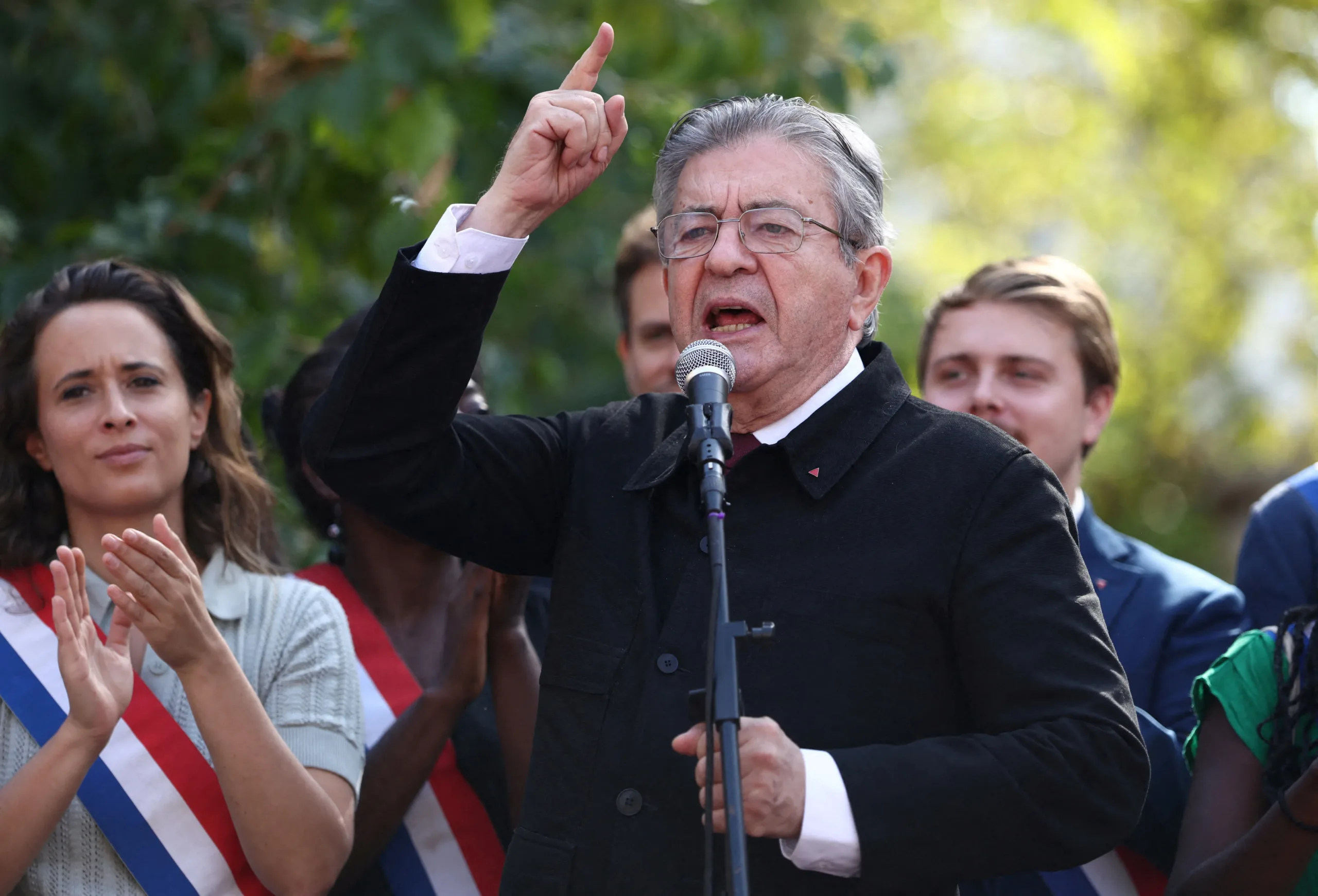
Paris, France. Political opponents ranging from the centre-left to the far right have accused Jean-Luc Melenchon and France Unbowed (LFI) of contributing to France’s most serious civil unrest for years. Melenchon denies responsibility, blaming the government for leaving longstanding social and economic grievances in disadvantaged suburbs unresolved.
Criticism intensifies as election approaches
The unrest across several French cities has brought growing attacks on the 75-year-old politician, whose opponents argue that his confrontational language over many years helped generate tensions now emerging on the streets.
Related: Residents of Russian-held Oleshky cross into Ukraine during a six-day local ceasefire
 RelatedResidents of Russian-held Oleshky cross into Ukraine during a six-day local ceasefire
Melenchon began his fourth campaign for the presidency in May. He remains the hard left’s best prospect for securing a place in the second round of next year’s election.
On Tuesday, Prime Minister Sebastien Lecornu escalated the criticism, telling an LFI legislator that the party’s “political agenda of instilling violence and chaos in the country was now on full display”.
Calls to consider a ban
Senate president Gerard Larcher told Le Figaro this week that banning LFI merited consideration. The party condemned his suggestion as authoritarian.
Laurent Jacobelli, a spokesperson for Marine Le Pen’s National Rally (RN), attributed what he described as a revolutionary atmosphere to the ultra-left, including LFI, and to immigration he characterised as uncontrolled.
Marc Fesneau, from the centrist MoDem party, said Melenchon had spent years encouraging a view of every issue as a battleground.
“When you turn everything into a confrontation, you run serious risks,” Fesneau told Reuters.
Melenchon rejects responsibility
Melenchon has dismissed claims that his party is responsible for the unrest. He argues that the government has failed to tackle entrenched economic and social problems affecting France’s poorer suburbs.
The breadth of the criticism reflects both his prominence in French politics and the concern he generates among rivals. It comes ahead of a presidential contest expected to bring increasingly powerful anti-establishment forces into competition with a diminished political centre.
Related news

This news item was generated automatically by Cyprus Inform from publicly available materials. Report an error →
Write a comment