Mosquito numbers rise in Cyprus as 14 West Nile virus cases recorded
Health services said high temperatures and recent rainfall have increased mosquito breeding conditions as Cyprus recorded 14 West Nile virus cases this year.
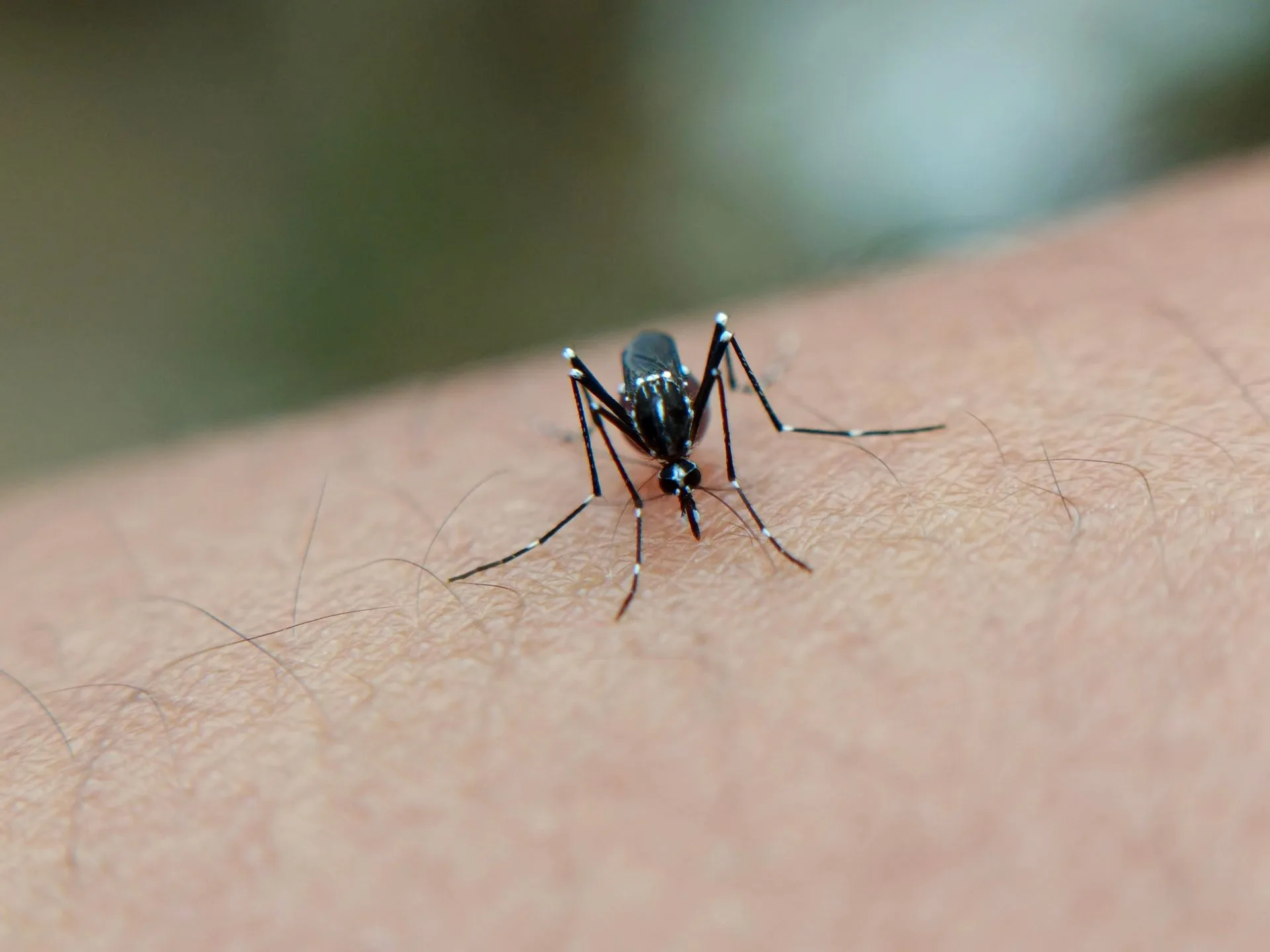
Nicosia, Cyprus. Persistently high temperatures and recent rainfall have created favourable breeding conditions for mosquitoes across Cyprus, while monitoring has shown their numbers rising over the past three years, health services said. Cyprus has recorded 14 cases of West Nile virus this year.
Breeding conditions
Health ministry health services official Irodotos Irodotou said high temperatures throughout much of the year, combined with recent rainfall, had created additional mosquito breeding sites.
“At the same time, over the last three years we have observed an increase in mosquito numbers in our traps,” he said.
West Nile virus transmission
West Nile virus is primarily transmitted to humans through the bite of an infected common Culex mosquito. Mosquitoes acquire the virus by feeding on infected birds, which are the primary hosts of the virus.
“It is very difficult for it to be transmitted from person to person,” Irodotou said.
Humans and mammals are considered “dead-end hosts” because they do not develop sufficiently high levels of the virus in their blood to transmit it to uninfected mosquitoes.
Mosquito control operations
Health services have conducted mosquito-control operations since the 1950s, when malaria was still present in Cyprus. Treatments are applied to rivers and other mosquito breeding areas, using substances that target mosquitoes at the larval stage.
The mosquito situation in Cyprus has changed in recent years with the arrival of Aedes species.
This news item was generated automatically by Cyprus Inform from publicly available materials. Report an error →