Netanyahu Fights for Political Survival as Israelis Vote in Closely Contested Election
Israelis voted on Tuesday in an election that polls show as tight between Prime Minister Benjamin Netanyahu's Likud-led bloc and a rival alliance headed by former military chief Gadi Eisenkot.
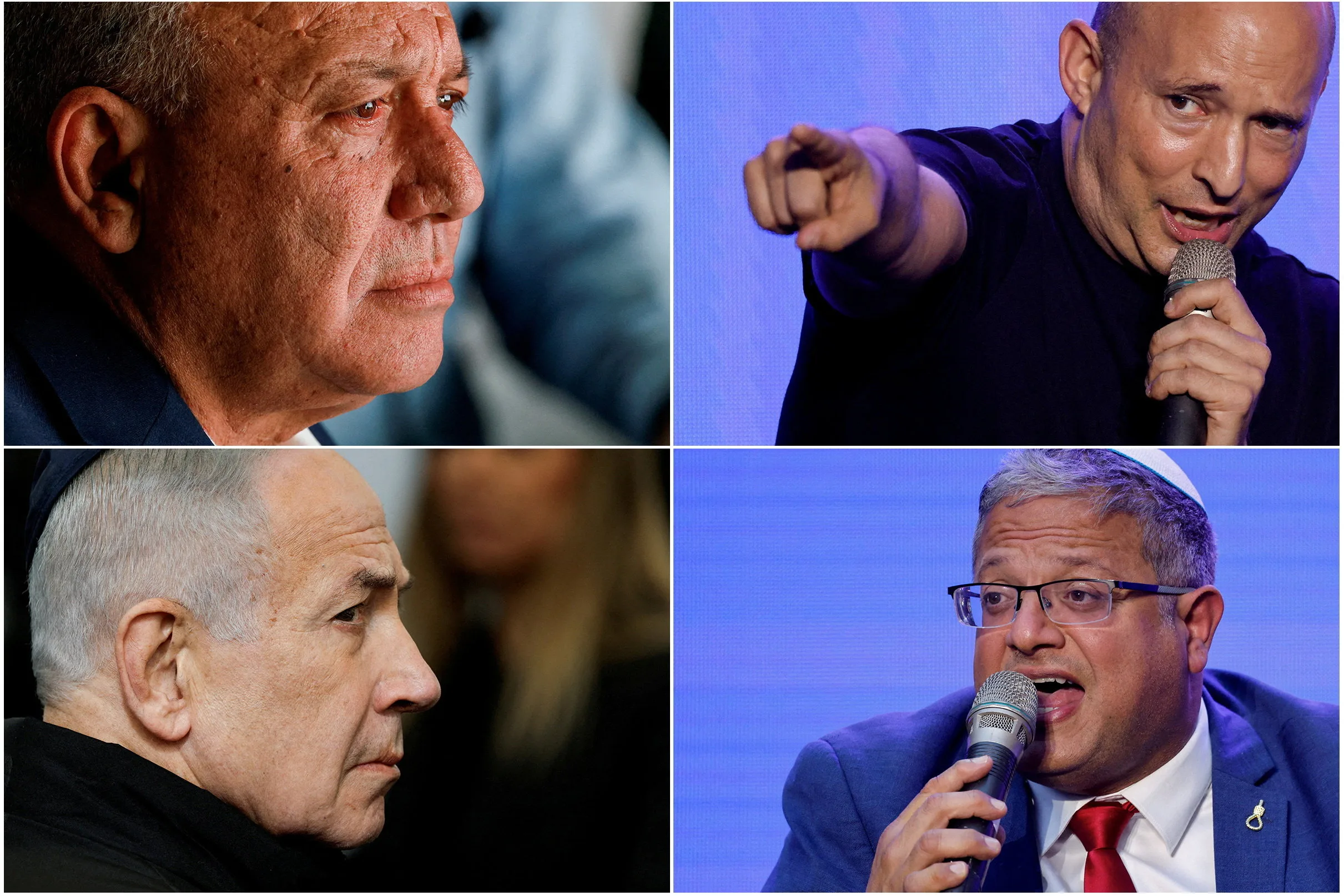
Jerusalem, Israel. Prime Minister Benjamin Netanyahu is struggling to hold on to power as Israelis vote on Tuesday, with the electorate assessing his record after the Hamas-led attacks of 2023, the wars in Gaza and with Iran, and the country’s growing international isolation. Polling stations opened at 7 a.m. (0500 GMT) and close at 10 p.m. (2000 GMT).
A close race
Opinion polls indicate a tight contest between Netanyahu’s Likud party and its right-wing partners on one side and an opposing alliance led by Gadi Eisenkot on the other. Eisenkot is a former military chief of staff and a security hawk who draws support from both the right and the centre.
Netanyahu has been in office for 19 years, longer than any other Israeli leader, and has repeatedly proved hard to dislodge. Nationalist politics have become more firmly established, and the fragmented Israeli political system may still leave him best positioned to assemble a government.
Campaign themes
Netanyahu has built his campaign around his leadership in wartime and his alliance with US President Donald Trump. Trump has endorsed him and joined Israel in its war against Iran. On Sunday, Netanyahu said Trump was ready to act again to remove the Iranian threat for good, but only if Netanyahu stays in office.
Eisenkot has accused the prime minister of “relying on a campaign of fear-mongering, lies and threats”. He also said he was confident Trump would work “in full cooperation with any leader chosen by the people.”
Coalition arithmetic
Netanyahu may again need the far-right leaders Itamar Ben-Gvir and Bezalel Smotrich to form a government. Some Western countries have imposed sanctions on both men, accusing them of inciting violence against Palestinians. Ben-Gvir’s Jewish Power party has gained ground in opinion polls.
Neither Netanyahu nor Eisenkot has a clear route to power. If neither manages to put together a governing coalition in the 120-seat parliament, Netanyahu could remain as caretaker until a new election is held next year.
Backdrop to the vote
The election comes after one of the most turbulent periods in Israel since its founding in 1948. It has been shaped by the trauma of the October 7, 2023, Hamas attacks, the Israeli military offensive in Gaza that followed, and sharp domestic divisions over the policies of Netanyahu’s right-wing government.
For many of his opponents, the vote centres on accountability for the security failures of October 7, the deadliest day in Israel’s history.
This news item was generated automatically by Cyprus Inform from publicly available materials. Report an error →