Pentagon Reportedly Urges Baltic and Other NATO Allies to Soften Rhetoric on Russian Threat
Four people familiar with the matter say Pentagon officials have asked several NATO members, including Lithuania, Latvia and Estonia, to moderate public statements about Russia, which Washington argues undermine European security.
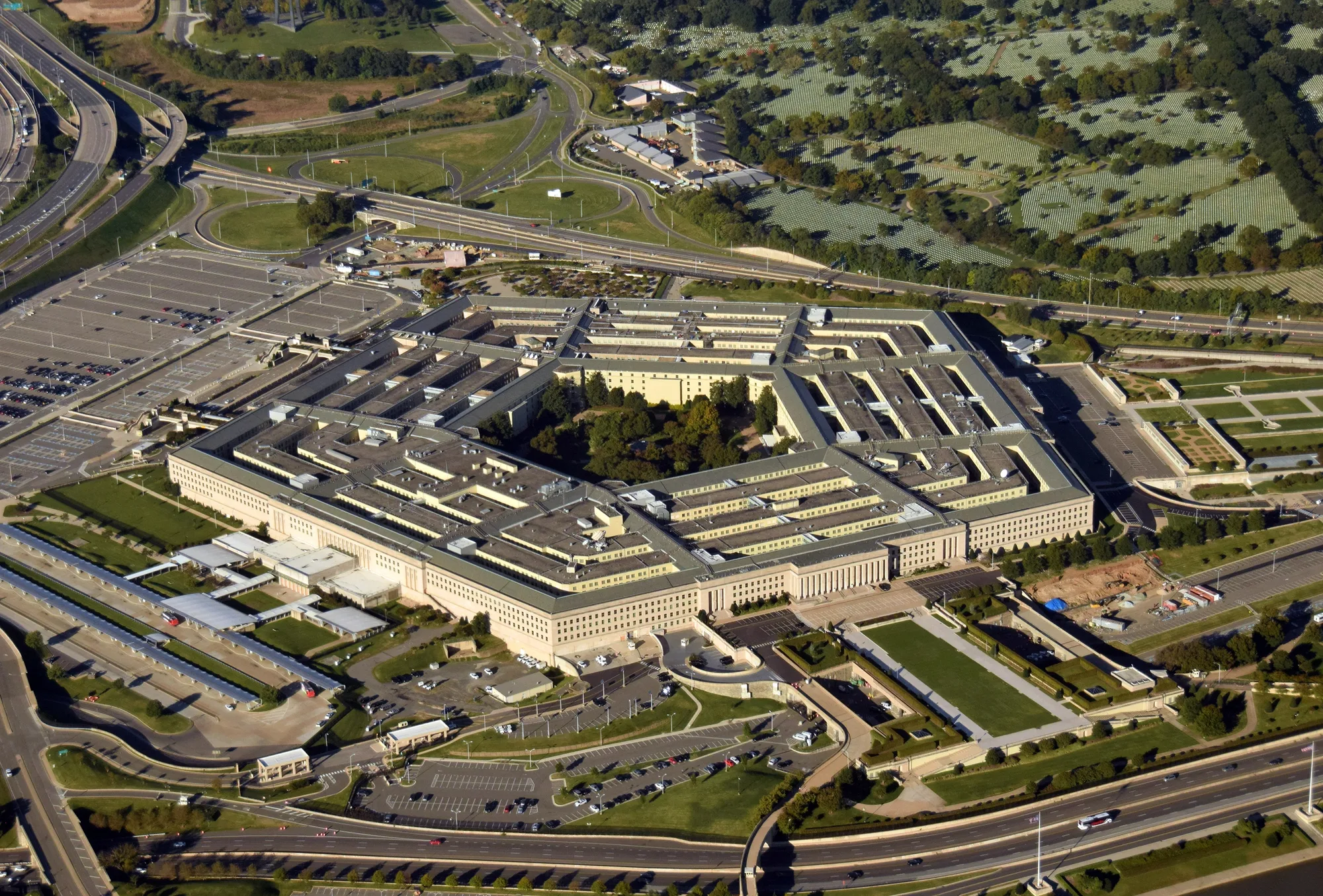
Washington, United States. Over recent weeks, Pentagon officials have asked several NATO countries to moderate their public language about the danger Russia poses, according to four people familiar with the matter. The officials argued that some remarks by European leaders and officials have weakened security on the continent.
Who received the messages
The sources, who requested anonymity, said Lithuania, Latvia and Estonia were among the countries that were urged to keep their public comments restrained. The messages were passed on in bilateral meetings, and it remains unclear whether other European governments received them as well.
The group of sources includes three European officials and one US official. None of them suggested that the advice was delivered in a confrontational way.
Role of Elbridge Colby
Pentagon policy chief Elbridge Colby, a central figure in the current review of US troop levels in Europe, was among the US officials who conveyed the message, the sources said. Reuters could not establish which other officials took part.
Comments that drew attention
One of the sources said US officials had noted remarks by European leaders suggesting that Russia is cornered and turning to ever more desperate measures as its invasion of Ukraine slows to a crawl.
Context of US diplomacy
The requests come as the Trump administration renews efforts to push for a negotiated end to the full-scale war in Ukraine, which is now well into its fifth year. The latest initiative combines incentives for Russia, including sanctions relief, with pressure on Ukraine to stop attacking Russian energy infrastructure.
A Pentagon official, asked to comment, said: “Private conversations among allies are just that, so we will not comment on these allegations.”
Debate inside NATO
The US messages reflect a wider discussion within NATO over how openly to address the threat from an increasingly assertive Russia. Some Western officials contend that stressing the danger from Moscow could benefit the Kremlin, which they say wants to spread fear and erode backing for Ukraine.
Others hold that European governments need to be open with their electorates about the sacrifices and resources required to keep Moscow in check. They say this is especially important because Russia appears to be stepping up a covert campaign of sabotage across the continent.
This news item was generated automatically by Cyprus Inform from publicly available materials. Report an error →