Pomegranates in Cyprus: a symbol spanning ancient tombs and family traditions
Archaeological finds and recorded customs trace the pomegranate’s place in Cypriot life, linking it to fertility, abundance, renewal and death.
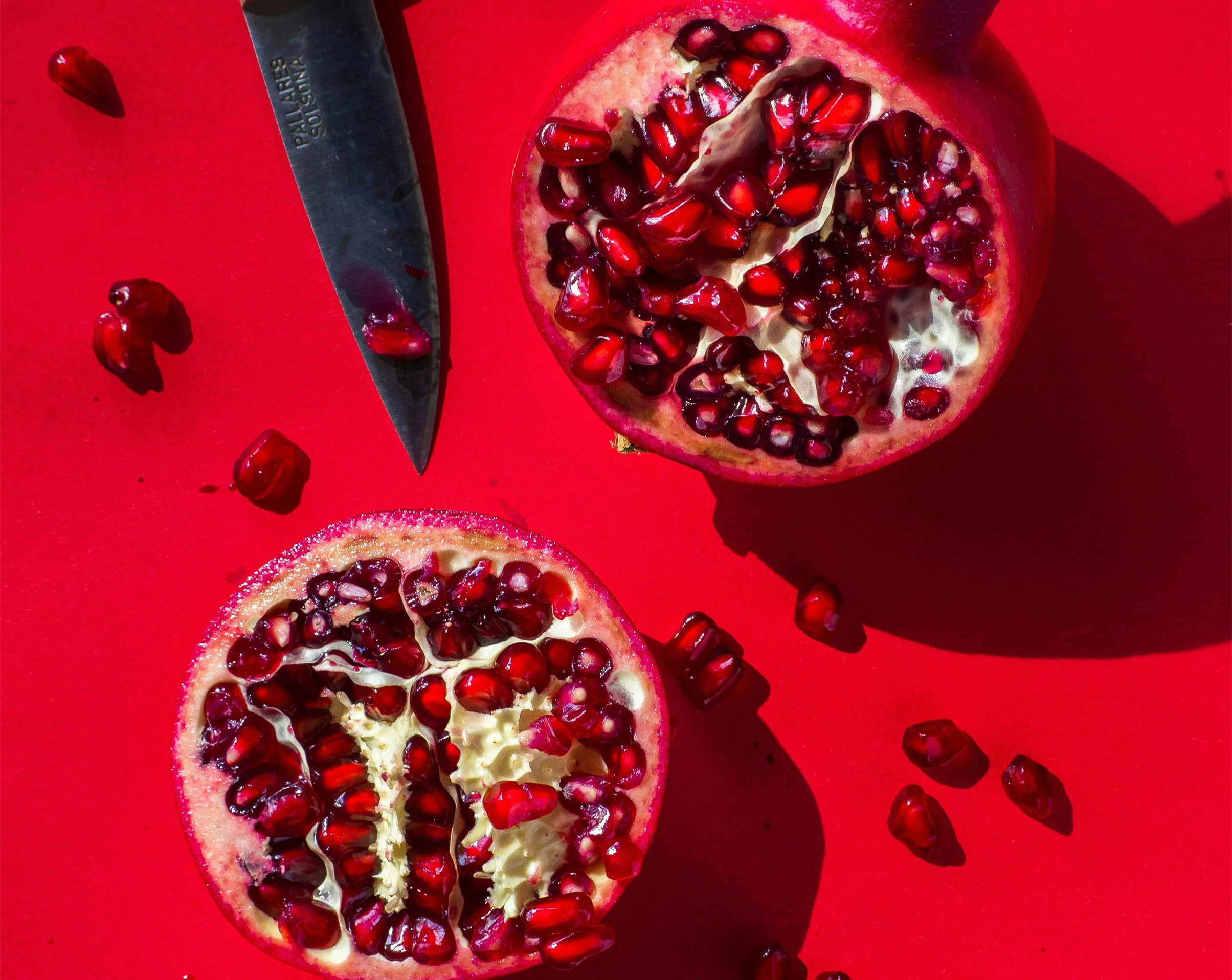
Paphos, Cyprus. Pomegranates have featured in Cypriot customs marking birth, marriage and death, while evidence of their presence on the island extends back more than 3,000 years. Researchers describe enduring symbolic associations, but caution that rituals changed across historical and religious settings.
Archaeological traces and ancient symbolism
Dr Charalampos Dokos, who researches archaeology in Cyprus and the Mediterranean, says pomegranates are thought to have arrived on the island during the late Bronze Age, around the 13th and 14th centuries BC.
Tombs have yielded some of the earliest evidence. Finds include pomegranate-decorated sceptres from wealthy burials at Engomi and glass objects shaped like the fruit from a tomb near Larnaca and from Curium. Designs depicting pomegranates have also been discovered at Ayios Iakovos and Kition.
Dokos links the fruit’s red juice and numerous seeds to symbolism encompassing fertility and life, as well as death and possibly an afterlife. He suggests that the emphasis on an afterlife reflected in the burial finds may have helped establish the pomegranate as a symbol of life within death.
Aphrodite and the fruit’s associations
Dr Chrystalleni Lazarou, Chair of the Board of Directors of the Cyprus Food and Nutrition Museum, cites the ancient author Athenaeus, who recorded a tradition identifying the pomegranate as the sole tree Aphrodite planted in Cyprus.
Lazarou says this connected the fruit with love, fertility and nature’s capacity to generate life. She notes that the Cyprus Food Museum documents this connection through rhoa, the ancient Cypriot name for the pomegranate.
Later depictions appear in Roman mosaics at Nea Paphos. In one, Spring is personified by a figure holding a pomegranate.
Customs across a lifetime
In Cypriot wedding traditions, a pomegranate was broken at the entrance to the newlyweds’ home after the ceremony. Its numerous seeds represented fertility and abundance for their shared future.
Research gathered by the Cyprus Food and Nutrition Museum records different ways of performing the custom. Some accounts describe the bride throwing the fruit onto the threshold so that its seeds scattered. In another version, the groom’s mother handed him the pomegranate, which he threw against the lintel as the couple entered their new home.
The fruit also featured in sowing baskets to symbolise a successful harvest. In some parts of Paphos, it was presented to newborns, while its use in kollyva formed part of memorial services.
Lazarou says the evidence supports a longstanding association with fertility, renewal and abundance, rather than showing that Bronze Age beliefs passed unchanged into wedding practices thousands of years later. The rituals, she explains, developed within differing historical and religious contexts.
This news item was generated automatically by Cyprus Inform from publicly available materials. Report an error →