Pope Leo to undergo surgery to remove lung nodule
Pope Leo, 71, said doctors detected a small, well-contained lung nodule at an early stage, with surgery planned this week and recovery expected to take about a week.
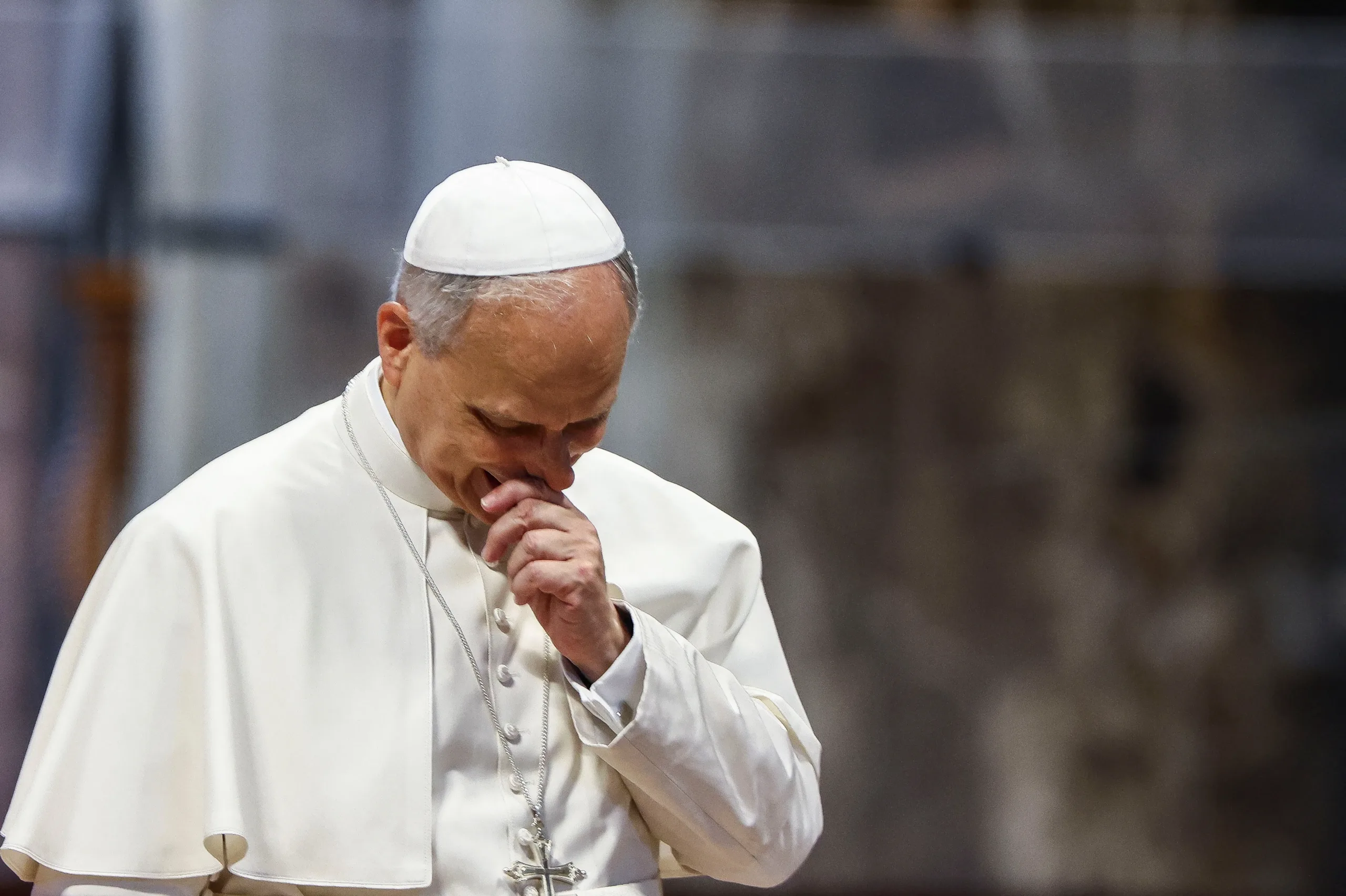
Vatican City, Vatican City. Pope Leo said on Sunday that he would undergo surgery this week to remove a small growth detected on his lung during a recent health check. The announcement marks the first health scare of the 71-year-old pontiff’s tenure.
Nodule detected at an early stage
Speaking to pilgrims in St. Peter’s Square during his weekly Sunday prayer, Leo said the growth was localised, “well-contained” and detected early.
“Recently, during some medical examinations, doctors found a localized nodule in my lung,” he said. “It was detected at a very early stage and is well contained.”
“The doctors believe it is advisable to intervene, so, following their advice, I have decided to undergo surgery to remove it,” he added. “The operation is already scheduled for the next few days.”
A lung nodule is a small, localised lesion that can be benign. According to the American Thoracic Society, fewer than 5% of lung nodules overall prove cancerous, although the risk increases with age, size and other factors.
Recovery expected to take about a week
The Vatican press office said Leo’s recovery from surgery was expected to take about a week. It did not immediately provide further details about his health.
Leo was elected pope by the world’s cardinals in May 2025 and is relatively young for a Church leader. He enjoys sports, including tennis, and is not known to have had previous health issues.
His predecessor, Pope Francis, died at the age of 88 and had become increasingly frail in his later years.
South American visit scheduled
Leo maintains a busy schedule and is due to make an 11-day tour of Uruguay, Argentina and Peru from November 6 to 17.
Before announcing his health issue on Sunday, he referred to the trip and thanked Catholics for their prayers “for the pastoral visit I will undertake.”
This news item was generated automatically by Cyprus Inform from publicly available materials. Report an error →