Spain, Portugal and Luxembourg call for EU renewable energy target for 2040
The three countries want a 2040 renewables goal, while other EU governments are seeking a broader target that includes nuclear power.
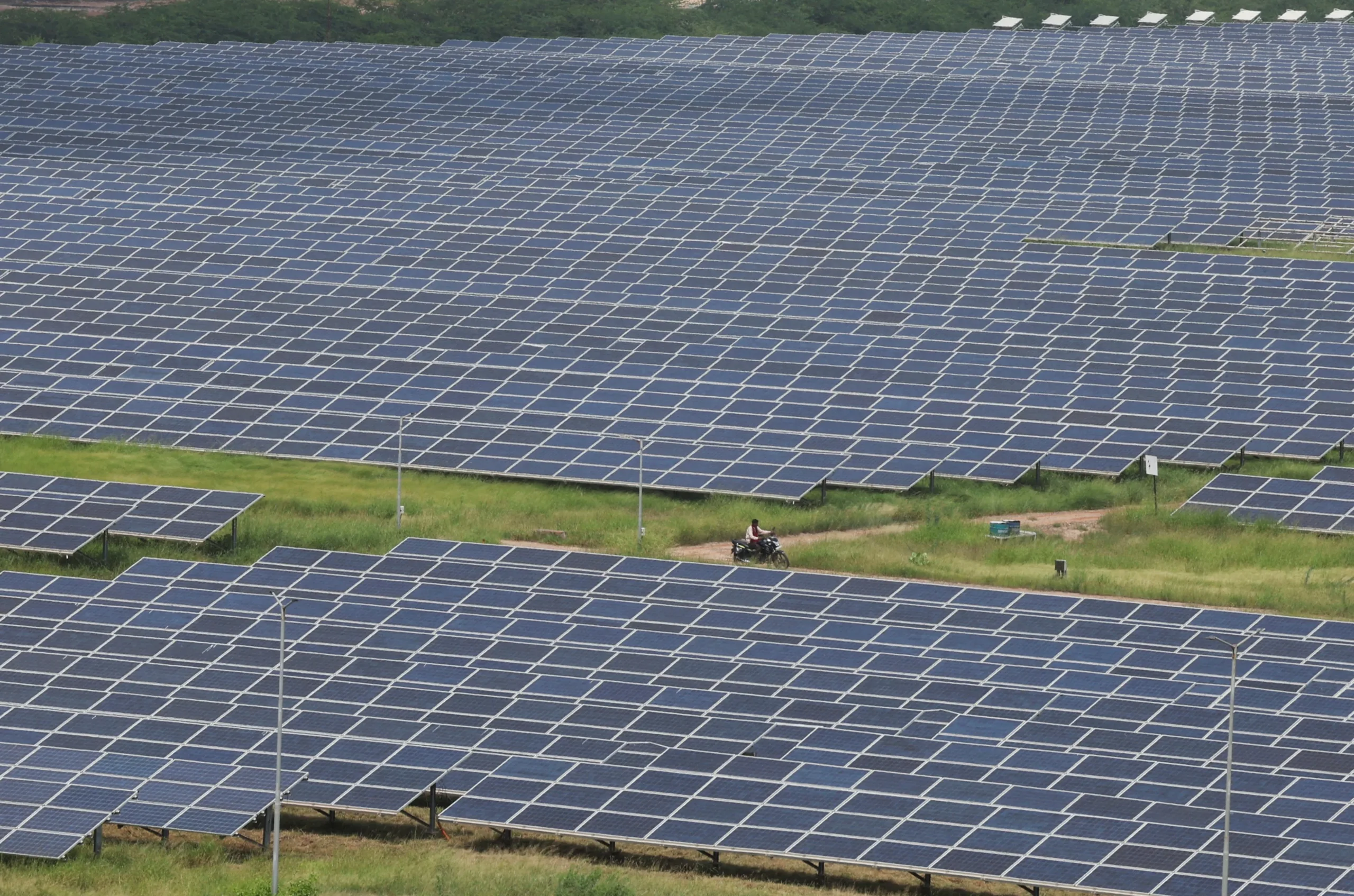
Madrid, Spain. Spain, Portugal and Luxembourg have urged the European Union to set a renewable energy target for 2040, according to a letter seen by Reuters on Tuesday. Their proposal differs from calls by other EU countries for a broader clean energy goal that includes nuclear power.
EU prepares post-2030 energy policies
The European Commission is preparing policies to guide the bloc’s energy strategy after 2030. The EU aims to raise renewables’ share of overall energy consumption to 42.5% by 2030 but has no target for 2040.
Spanish Energy Minister Sara Aagesen told reporters on Tuesday that a renewables target would give investors clearer signals. In a letter to EU Energy Commissioner Dan Jorgensen dated 25 September, the three countries said renewable energy could be deployed competitively and at scale across the EU.
The letter also called for faster action to reduce dependence on fossil fuels, citing geopolitical uncertainty and the consequences of the blockage of the Strait of Hormuz amid the war with Iran.
Governments divided over nuclear power
Other EU governments want a clean energy target that includes nuclear power. France and Sweden are among the countries that support nuclear energy as a way to cut greenhouse gas emissions and reliance on fossil fuel imports. Finland’s Climate Minister Sari Multala told reporters at a meeting of EU energy ministers on Tuesday that nuclear power should be part of the solution.
The EU has no nuclear expansion targets. Some member states, including Austria and Luxembourg, oppose nuclear energy because of safety and waste concerns.
As EU consumers face rising energy and fuel prices due to the US-Israeli war with Iran, Aagesen said Spain and five other countries had asked the EU to consider measures to capture companies’ windfall profits from high energy prices.
This news item was generated automatically by Cyprus Inform from publicly available materials. Report an error →