Tuvalu proposal could raise IMO carbon costs for Cyprus and Greek shipping
Shipping companies in Cyprus and Greece could face sharply different carbon costs under competing IMO emissions-pricing proposals.
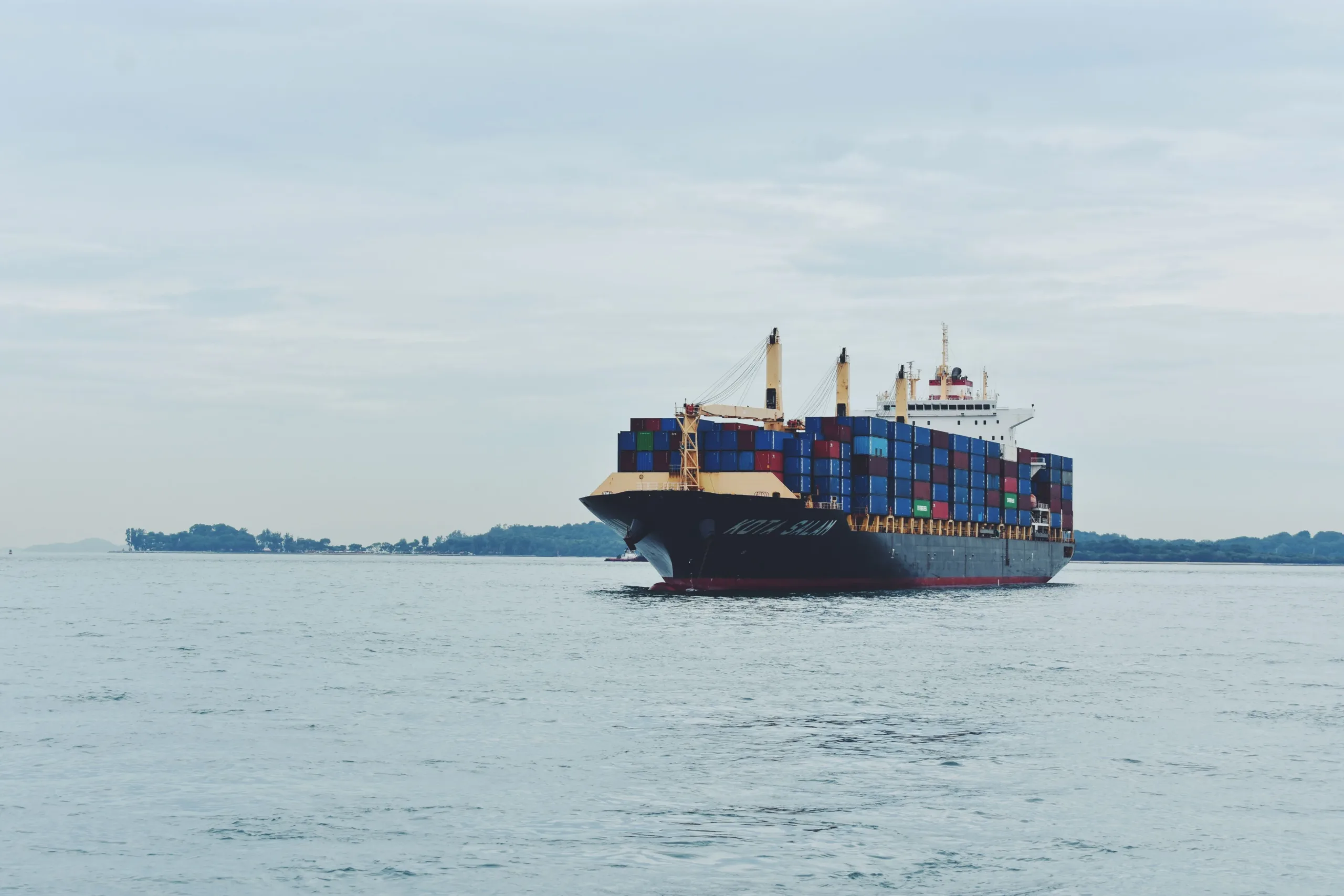
Nicosia, Cyprus. Shipping companies in Cyprus and Greece could face significantly different carbon costs depending on which of four proposals is adopted by the International Maritime Organisation, with options ranging from no direct greenhouse gas charge to a Tier 1 compliance price of $300 per tonne of CO2 equivalent.
The outcome could affect Cyprus’ shipmanagement cluster and the Greek-owned fleet, including operating costs, charter agreements, investment in cleaner fuels and the commercial viability of older vessels.
Existing European requirements
Companies operating through European ports are already paying under the EU Emissions Trading System and complying with FuelEU Maritime.
The prospect of an IMO mechanism has raised concerns that companies could face overlapping charges for the same emissions.
IMO framework
The framework, approved in principle in April 2025 but not yet legally binding, combines a global marine fuel standard with an emissions-pricing mechanism.
It would apply to ocean-going ships above 5,000 gross tonnes, which account for more than 85 per cent of the international shipping emissions covered by the IMO.
Tuvalu proposal
Tuvalu has proposed tripling the price of Tier 1 remedial units from $100 to $300 per tonne of CO2e while retaining the Tier 2 price at $380.
The Pacific island state also proposes a 100 per cent direct-compliance threshold from 2029 to 2035 and the removal of surplus units. Ships exceeding greenhouse gas fuel-intensity limits would therefore make payments into the IMO Net-Zero Fund rather than buy credits from better-performing vessels.
Tuvalu’s proposal would retain the base fuel-intensity targets but remove the 2028 step, beginning the trajectory with a 6 per cent reduction in 2029. The plan would place a price on all emissions from that year and create the largest revenue pool for cleaner fuels and support for vulnerable developing countries.
However, it would also result in the highest initial rise in transport costs, particularly for vessels unable to secure suitable low- or zero-emission fuels at commercially workable prices.
This news item was generated automatically by Cyprus Inform from publicly available materials. Report an error →


