Paralimni: the town, Protaras and the east coast
About the place
In brief: Paralimni is an administrative and residential centre in eastern Cyprus, while Protaras is its well-known coastal resort area. Choose central Paralimni for everyday services, shops and year-round town life; choose Protaras, Pernera or another coastal area for walking access to beaches and resort facilities.
Paralimni and Protaras are not the same place
The official tourism portal describes Paralimni as a main holiday area of the Ammochostos region and says it incorporates the subdistrict of Protaras. In everyday use, “Paralimni” may mean the wider municipal area or the inland town centre. Check the map pin when booking: a Paralimni address is not necessarily beside the sea.
| Area | Character | Often chosen for |
|---|---|---|
| Central Paralimni | Residential town, square, shops and services | Everyday life, longer stays and car-based trips |
| Protaras | Resort strip, hotels, restaurants and beaches | Beach holidays and walking within the chosen area |
| Pernera and farther north | Quieter coves and separate residential pockets | Family stays and a slower pace |
What to see in the town centre
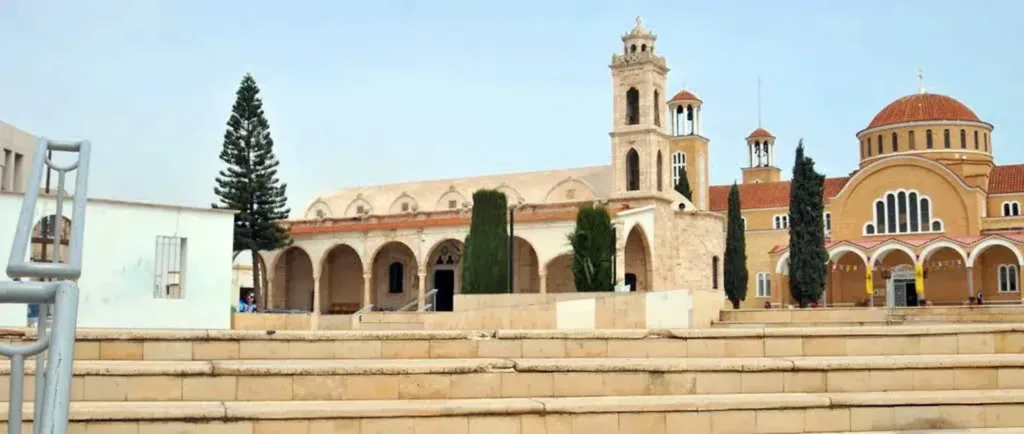
Central points of interest include the main square and churches, including an old two-aisled church dedicated to the Virgin Mary with a small ecclesiastical museum. Windmills and elements of the agricultural landscape remain visible around the area. Current municipal notices, events and contacts are published on the official municipality website.
Protaras, beaches and Cape Greco
Protaras is known for sheltered coves and pale sand. Individual beaches differ in depth, wind, parking and services, so use our Cyprus beaches guide and assess conditions on the day. Cape Greco National Forest Park lies to the south-east, with trails, sea caves, viewpoints and natural areas.
Carry water, sun protection and footwear suitable for the terrain. Keep away from cliff edges and do not enter caves or the sea in unsafe conditions.
Getting there and getting around
Larnaka airport is usually the more convenient gateway to the east coast; compare arrivals in our Cyprus airports guide. Buses connect settlements and the resort strip, but route numbers, intervals and fares change. Check the journey on the day using the official Cyprus Public Transport portal and the relevant regional operator.
A car is useful for visiting several beaches and natural sites in one day. In summer, allow time for parking. If you stay in central Protaras and only plan to use nearby coves, a car may be unnecessary.
When to visit
Summer brings the widest range of resort services, together with greater heat and busier beaches. Spring and autumn suit walking and a quieter coast, although some seasonal businesses and services may reduce their hours. In winter, central Paralimni remains a lived-in town while the resort strip becomes much quieter.
A realistic one-day plan
- Spend the morning at one chosen Protaras cove.
- Walk in Cape Greco only in suitable weather.
- Visit Paralimni’s central square and historic churches.
- Return to the coast in the evening without overloading the day with distant stops.
Distinguish between the town, the resorts and the nature reserve
Paralimni is the administrative and residential centre, Protaras is the coastal resort area, and Cape Greco is a nature trail. When booking, a single area name may cover varying distances. Check the exact address and your daily destination.
For everyday amenities, the town centre is convenient; for the beach, accommodation near your chosen cove is best. Trying to enjoy both on foot is often unrealistic. Mark shops, bus stops, the beach and evening activities on a map.
Don’t judge a neighbourhood by the distance as the crow flies. The route may wind its way around built-up areas, and the summer heat makes walking more difficult. Check the pavements, lighting and gradient, especially if you’re travelling with a family or a pushchair.
A one-day plan
If you’re visiting for the seaside, choose one main beach and a backup cove, and save the town centre for the evening or a separate visit. Parking and travelling between areas takes time. Don’t try to fit the whole of the east coast into a single itinerary.
For a day in town, start with the central square and churches, followed by a local lunch and a short stroll. Check the opening hours of attractions. You can then head to the coast for sunset, whilst arranging your return transport in advance.
Cape Greco requires a separate assessment of the weather, the trails, the water and the time until dark. Don’t schedule a nature walk after a full day at the beach if the group is tired. The rocky outcrops and caves depend on the sea conditions.
Transport without a car
Check the operators and timetables for the local and intercity legs, the transfer stop and the last return service. A route to Protaras does not always guarantee easy access to a specific beach. Allow for the walking leg.
In summer, service frequencies and demand differ from those in winter, and public holidays may have separate timetables. Check the official website on the day of your trip. A third-party map is useful for orientation but does not serve as a timetable.
For late returns, make a note of the official taxi options and maximum fares. Do not wait for the last bus in a remote location with no mobile signal. Having a backup plan allows you to leave the beach earlier if the weather or how you’re feeling changes.
Choosing your base and season
Summer resort facilities do not reflect conditions in winter. Before an off-season trip, check which shops, restaurants and buses are open. The residential area of Paralimni may be a more reliable base for daily life, but will require transport to the seaside.
When booking, check for noise levels, parking, air conditioning, heating and the distance to the specific beach you actually want to visit. The phrase ‘near Protaras’ is too vague. Read the cancellation policy and check the exact location.
A good plan for the east coast combines a single base, several nearby destinations and realistic transport options. Paralimni, Protaras and Cape Greco complement each other, but they are not a single location with shared infrastructure.
Official sources
Information checked on 8 September 2026. Recheck transport, events and seasonal services immediately before visiting.