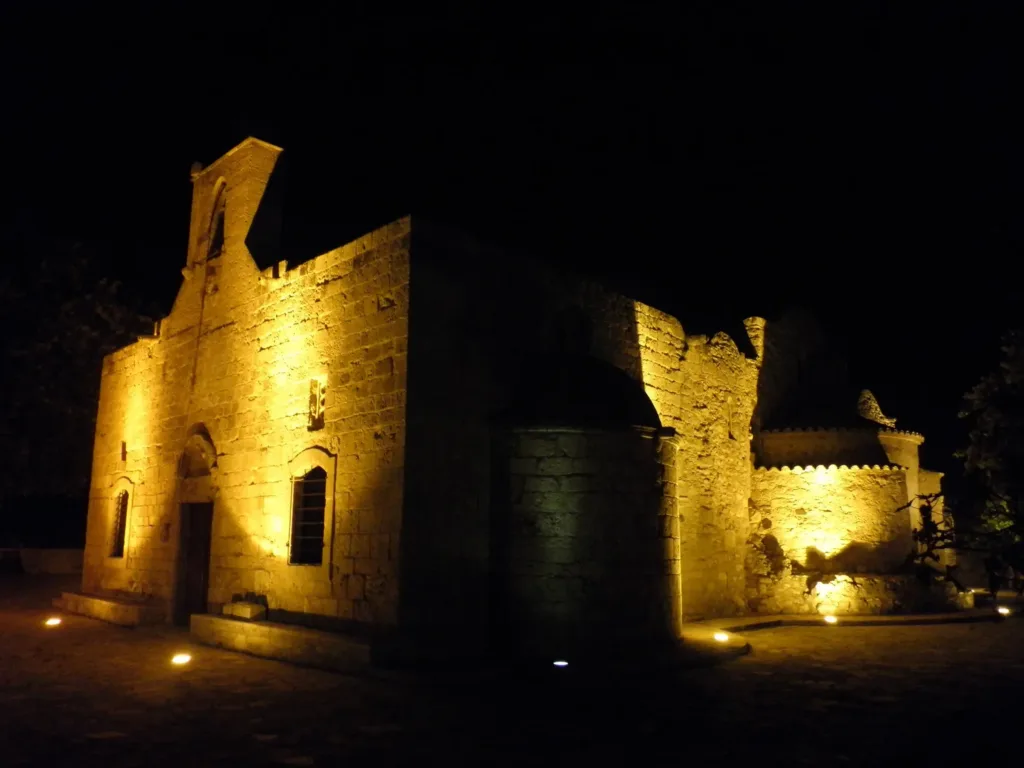
Kiti: places of interest and a plan for a short trip
About the place
Checked: 1 October 2026.
Kiti for a short cultural trip
Kiti is a convenient choice for visiting the Church of Panagia Angeloktisti and taking a short stroll through the village in the Larnaca area. As the main purpose of such a visit is to see the cultural site, please check in advance that the interior is open to the public. You can then add lunch or a separate stop by the coast if there’s time.
Kiti and the nearby beach destination should not be lumped together as a single point on the map. A stroll around the church gives you an insight into the local heritage, whilst a trip to the seaside requires a specific destination and a separate journey. If you only have a short spell of time, a proper tour of the church is more worthwhile than a rushed attempt to combine different itineraries.
Official tourist guides help to explain why people come here to see Byzantine art. At the same time, the village carries on with its everyday life: not every house around the square is a museum or open to visitors. A short independent visit is possible without having to book a guided tour or a package of paid services.
Panagia Angeloktisti
The Church of Panagia Angeloktisti is renowned for its surviving mosaic, which the official tourism authority dates to the VI century. The Byzantine building itself is described as an XI-century structure built on the site of an earlier basilica. The age of the mosaic and that of the present-day church are separate details; they cannot be combined into a single date.
The mosaic depicts the Virgin Mary with the Infant Jesus and the archangels. To appreciate it fully, read the description of the site before your visit, and once there, allow plenty of time to explore the interior at your leisure. A photograph of the church’s exterior is no substitute for seeing the main work of art inside, provided it is accessible.
The name, which refers to a church ‘built by angels’, stems from religious tradition. It does not provide an explanation of the construction techniques used, nor does it represent a documented account of the building’s authorship. Consider the legend as part of a cultural narrative, separate from the dating of the architecture and the surviving works of art.
How to arrange a visit
Please check the current opening hours, any closures and entry arrangements with an official source or the person in charge of the church. Do not assume you will be able to enter simply because the grounds are open to the public. During services, cleaning or other restrictions, please follow the on-site instructions and be prepared to adjust your visiting time.
Please check the photography rules before taking any photographs. Do not use a flash without permission, and do not get so close to the artwork that you touch its surface or obstruct other visitors. If the interior is closed to the public, an external view is permitted, but this provides a different experience; do not promise the group that the mosaic will definitely be visible.
For visitors with reduced mobility, please check the specific route from the drop-off point to the entrance, any steps, and the accessible areas inside the building. A general tourist guide does not confirm these conditions. Checking directly with the venue is more helpful than a general promise of an ‘accessible visit’, especially when the trip is organised specifically to see the mosaic.
A walk near the church
After your cultural stop, take a short stroll along the public streets around your chosen landmark. Pay attention to how the church relates to the surrounding village, rather than looking for a continuous museum-like area. Kiti is different from the mountain villages; it shouldn’t be described as just another stone labyrinth in the Troodos Mountains.
Please only park your car where permitted, without blocking local access roads or entrances. Before setting off on your walk, decide on a meeting point. If you’re visiting during an event or service, your usual spot may be taken; allowing plenty of time will enable you to find a suitable alternative without parking on a pedestrian walkway.
Whilst out walking, please respect private property and residents. A courtyard visible from the street is not an invitation to enter, and it is best to ask permission before taking photographs of people. For a short trip, a few public landmarks and a quiet moment’s pause are enough; there is no need to search for additional ‘hidden gems’ in every side street.
How to connect Kiti to the coast
If you’d like to include a visit to the seaside, please specify a particular coastal location separately from your visit to the church. A beach, a place for a stroll and a waterside café offer different experiences, particularly depending on the season. The presence of a coastline nearby does not guarantee the availability of a lifeguard service, easy access to the water or the operation of all facilities on your chosen date.
Before going for a swim, check the signs and the current conditions on the beach itself. Do not judge the sea solely by a beautiful photograph or calm water near the shore. A trip to a cultural attraction may end up being just a walk without any swimming; it is useful to have a fallback plan in case of wind, rough seas or weather unsuitable for the group.
Do not set fixed times for either part of the day until access to the church and transport have been confirmed. First decide on your main attraction, then add a stopover. If you’re travelling by public transport, just because you can get to Kiti doesn’t necessarily mean there’ll be a convenient connection to any coastal destination or a return journey.
Food and convenience during a short visit
It’s best to plan a coffee break or lunch after your sightseeing, once you have a clear idea of how long your cultural stop will take. Check the menu and opening hours of the kitchen, especially if you’re visiting between regular mealtimes. An old description of the venue does not reflect today’s prices, the owner or the dishes on offer; make sure you use up-to-date information.
It’s a good idea for families to bring water, weather-appropriate headwear and find a place to take a break. A short distance on the map does not always make waiting outside a closed door a comfortable experience in the heat. If the group has differing interests, agree on a clear meeting point so that some visitors can take a break without having to rush through the tour.
Kiti can be included in the a cultural day in the Larnaca district, but there is no need to repeat the whole city itinerary here. If you are adding a museum or other landmark, please check the details separately. A short trip can still be considered a standalone visit even if it consists of a single interesting interior and a walk around it.
What to check the day before
Make a note of the address of Panagia Angeloktisti, the current opening hours and the contact details for checking admission. Please distinguish between information about the monument itself and promotional offers for guided tours: purchasing a tour does not guarantee access to a closed interior. If the mosaic are the sole purpose of your visit, it is particularly important to confirm your visit in advance.
Check the weather and both transport options. If travelling by car, note down where you can park; if travelling by bus, note down the bus stop and the last convenient service. If you have booked a transfer, agree on the drop-off point and meeting time, allowing for the possibility of spending extra time at the church or postponing your visit in the event of time constraints.
A good plan for Kiti is simple: first a cultural site, then a short walk and a break, and if you like, a separate trip to the coast. Check the dates and significance of the mosaic against the official description, and the visiting conditions against the latest information. This way, a short visit offers a meaningful introduction to the place without an overloaded itinerary.
Continue planning
Official sources
Photo: Valantis Antoniades · CC BY-SA 3.0 · converted to WebP and resized.
_medieval_church.JPG)