Service description
Cholesterol and its role
Cholesterol is an essential component of cell membranes; it is used for hormone synthesis which is necessary for normal functioning of the body, and for the absorption of fat-soluble substances in the intestines.
How low your cholesterol should be
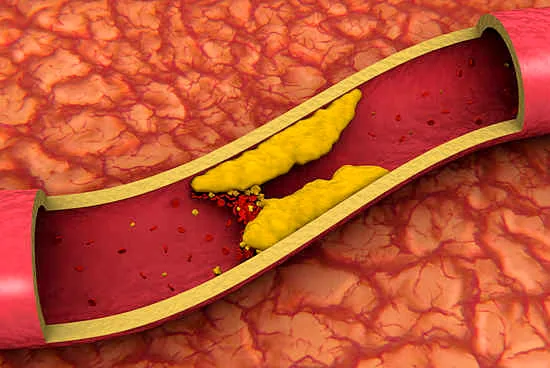 Unfortunately a large percentage of patients in treatment are not under constant surveillance and face great danger, without knowing it. Data show that 85% of patients remain outside the framework of the regulated objectives.
The regulating goals are defined with scoring tables. Depending on the health problems the patient has, his age, sex and whether he smokes or not, a goal is set as to cholesterol reduction.
How to achieve low cholesterol levels
The above mentioned target can be attained with diet and exercise, while in many cases there is a need for pharmaceutical treatment. Statins are usually used for treatment, but in cases when the regulated level of “bad” LDL cholesterol cannot be achieved by statins alone, there is a need for an additional medicine, the ezetimibe.
Foods that contribute to the value increase of lipids in blood are those which contain large amounts of “bad” fat. By “bad fat” we primarily mean saturated fat, which is usually of animal origin.
“Bad fat” food
 butter,
- mayonnaise,
- tallow,
- meat juice and extracts,
- creams,
- tallow or coconut milk,
- pasta,
- ice creams,
- sausages,
- egg yolks ,
- whole milk,
- full-fat yoghurts and cheeses,
- cheese spreads,
- sweets,
- chocolate,
- cocoa,
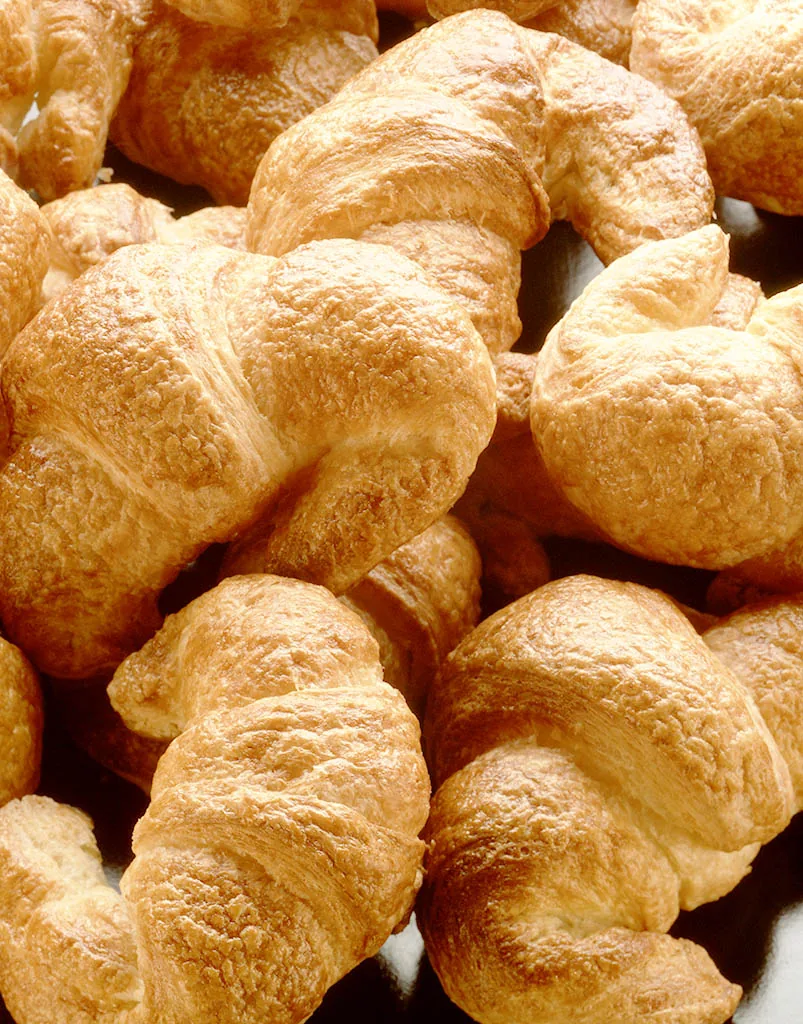
- croissants and pastries with eggs and butter,
- fried food.
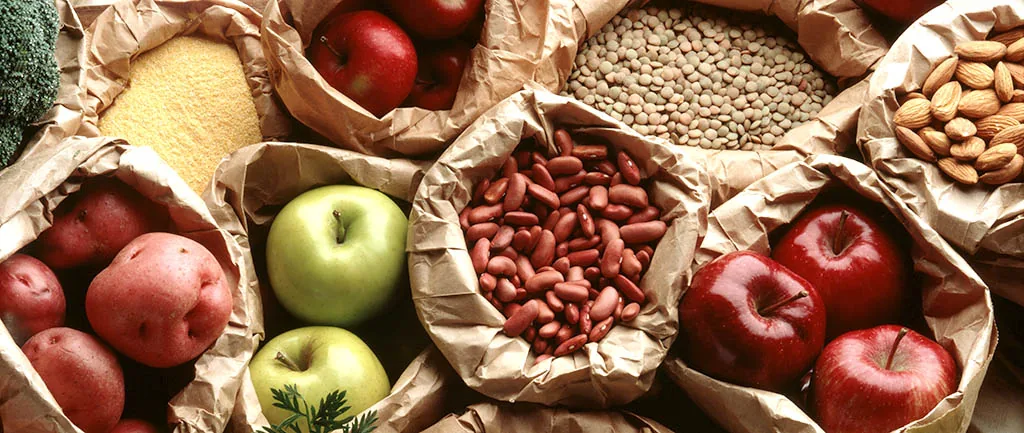
Foods that can be consumed to reduce the lipids are those containing good quality fats such as monounsaturated (olive oil) or polyunsaturated (fish, nuts) or fiber (soluble and insoluble).
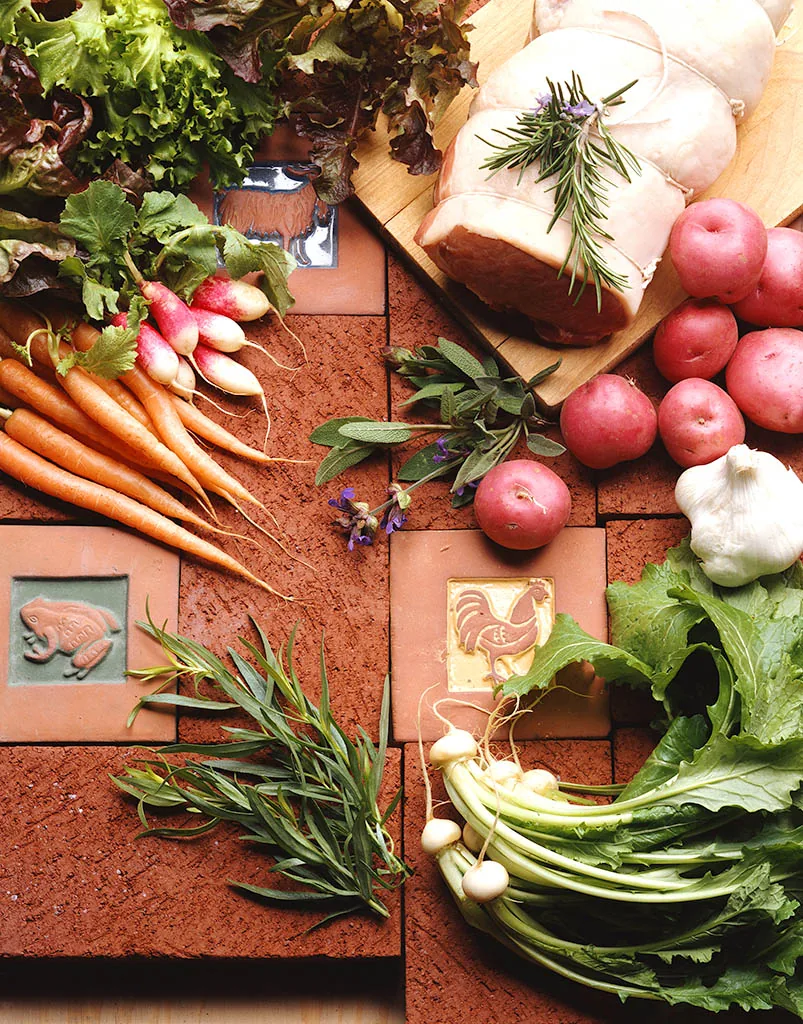 Foods to reduce the lipids
- nuts, rice, potatoes (not fried),
- fish and chicken (breast, not the skin),
- lean meat (beef, pork),
- olive oil,
- skimmed milk (milk, yogurt),
- low fat cheese,
- legumes (beans, chickpeas, peas, lentils),
- vegetables (artichokes, asparagus, aubergines, broccoli, cabbage, carrots, cauliflower, zucchini, cucumbers, thin green beans, lettuce, mushrooms, peppers, spinach, corn, tomatoes and greens).
Direct changes that each person should make in their everyday life to reduce cholesterol:
- Stop smoking
- A diet low in animal fats and trans fatty acids, but rich in fiber
- Consumption of foods enriched with plant sterols / stanols
- Weight loss (10% reduction of the total weight in six months)
- Physical exercise such as fast walking 30-60 minutes a day, most days of the week (at least five)
The Cardiology clinic of Dr. Marios Lemoniatis will help you to ensuring good health and an improved quality of life.