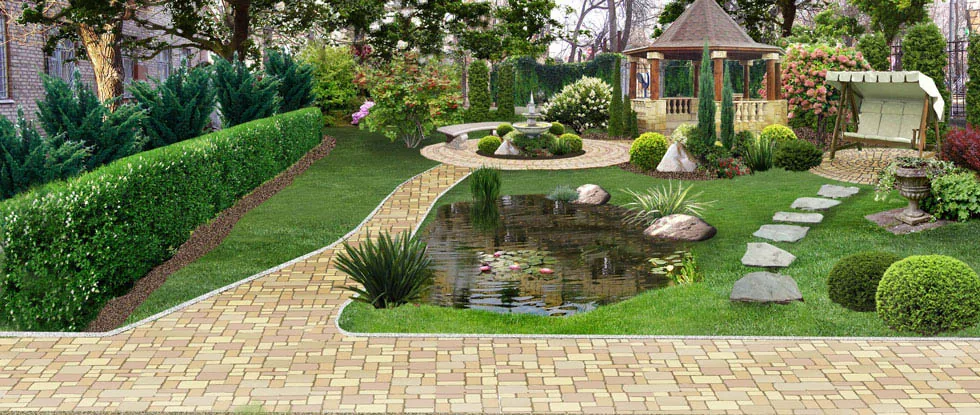
Service description
Architecture, construction, design, urban improvement and landscaping — all these concepts are closely interlinked and, taken together, ensure the quality of landscape design.
This art form is used to transform the areas in front of residential and office buildings, countryside and garden plots, to organise park areas, create lawns and plant greenery using various architectural forms and decorative elements.
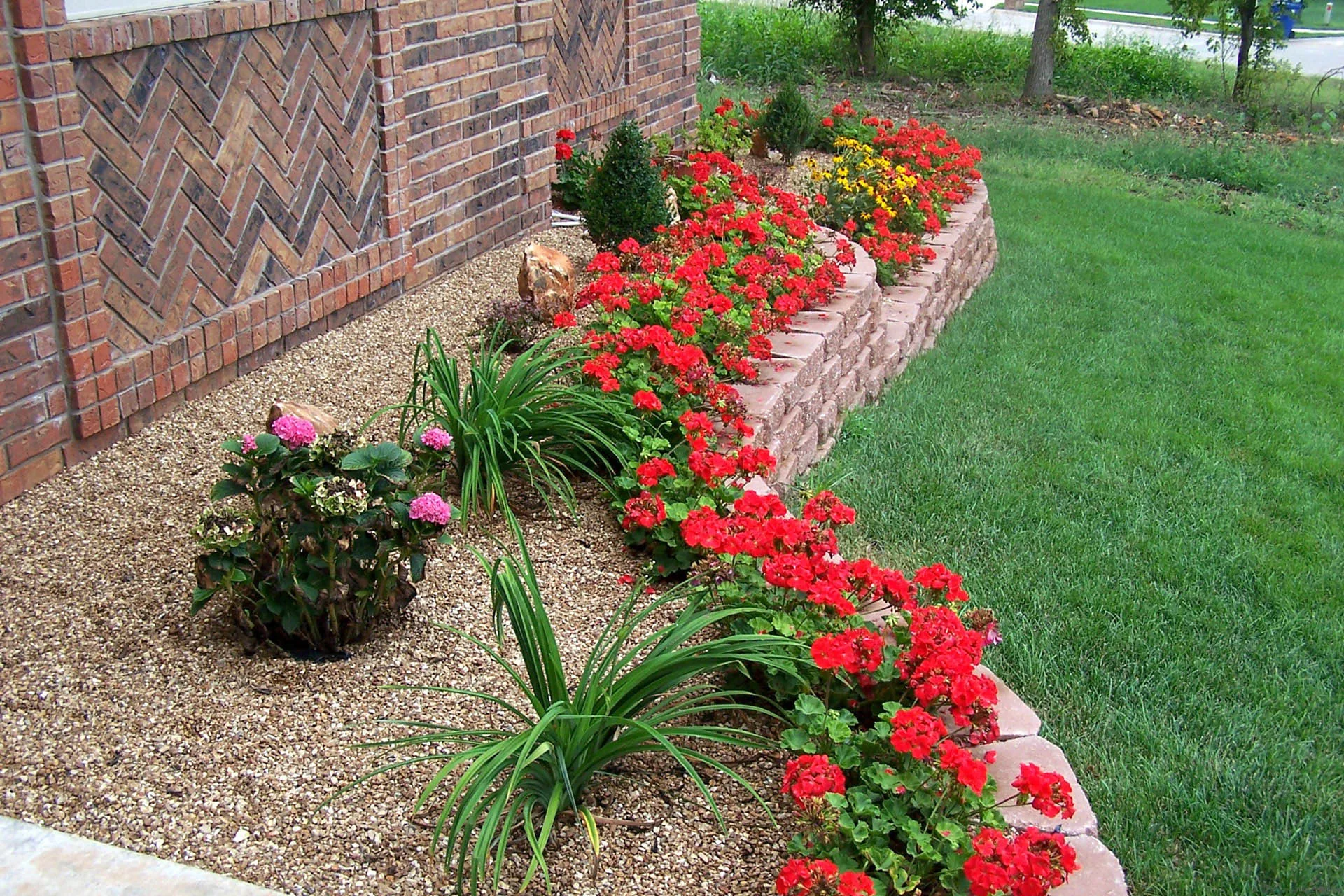
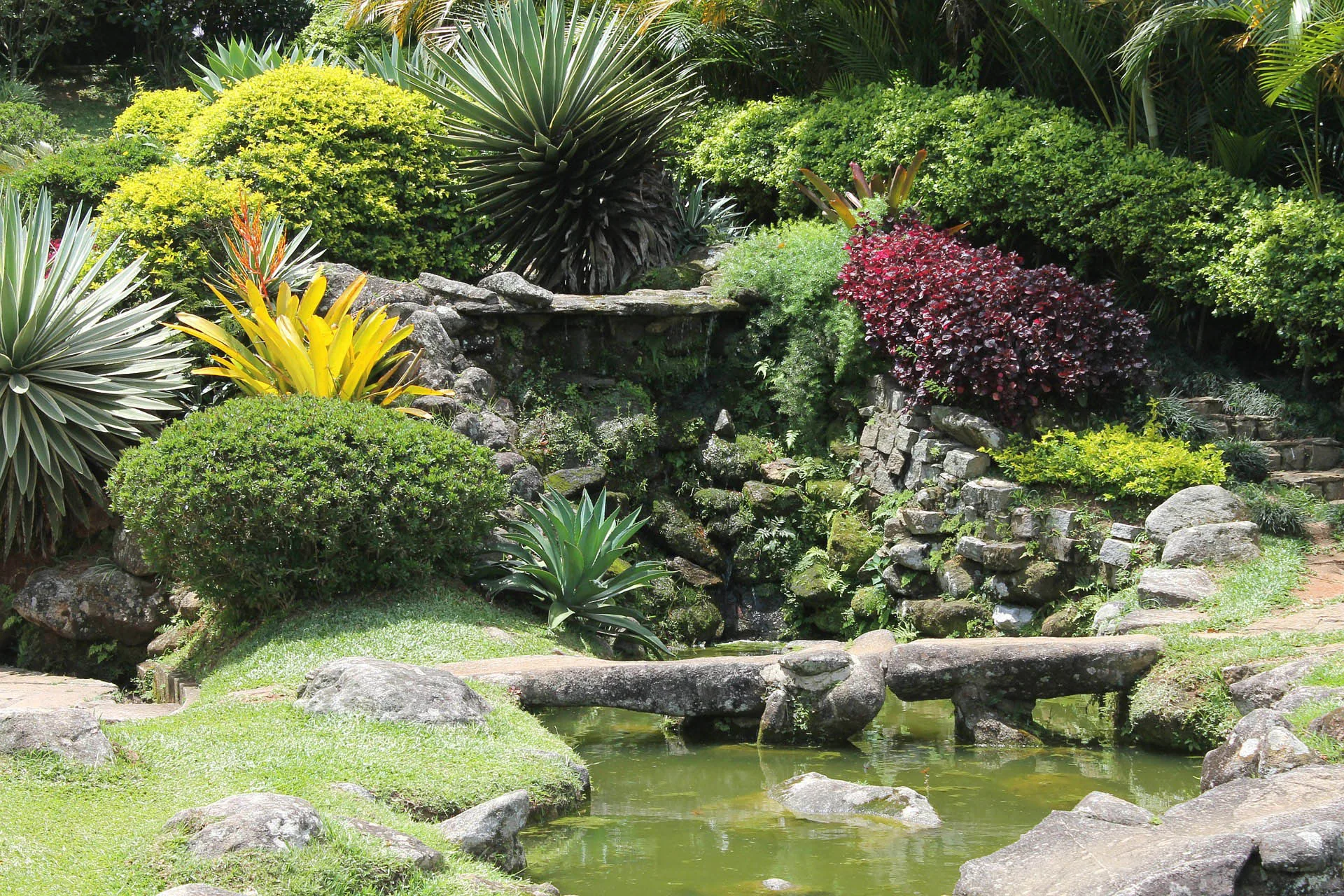 Creating something original on your holiday home plot or near your house is an extremely challenging and fascinating endeavour. And if you wish to achieve the desired result, you must adhere to a number of key principles of landscape design, such as:
- The unity of composition between decorative and natural landscape elements situated in different parts of the garden plot.
- The visual lightness of the landscape design, using simple elements and forms, as well as no more than 2–3 main colours and shades.
- A balance between symmetry and asymmetry, which should maintain the unity of the landscape design composition.
- A combination of plants that complement one another in terms of size, age and care requirements.
- Smooth transitions when planting greenery. Tall plants in the background, followed by medium-sized and small ones.
- Gradual transitions when arranging small and large elements.
- The correct use of colour schemes.
- The integration of small architectural features with one another and with the landscape design compositions.
- The creation of artificial elevations to visually enlarge the landscape area.
- A natural look in landscape design through the use of native plants.
It is worth paying particular attention to all these principles and rules; otherwise, all efforts in creating a landscape design may prove to be in vain.
Composition in design
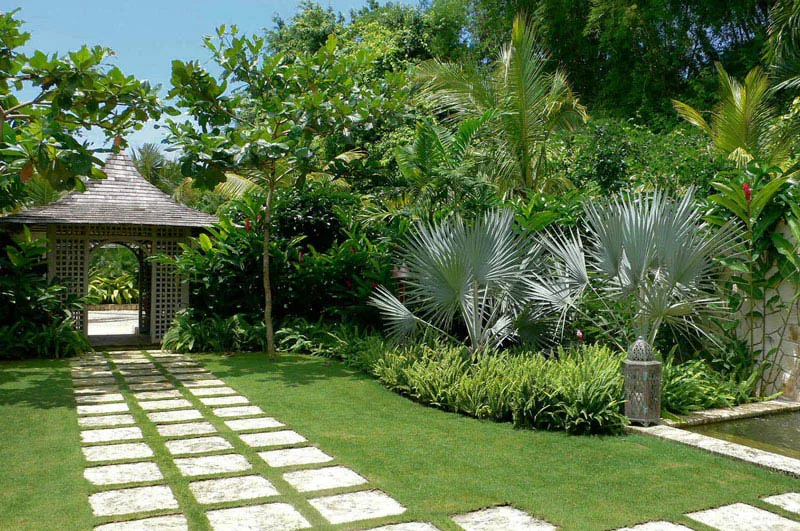 The foundation of a beautiful garden design is the landscape composition. Creating a composition is quite a challenge. To get it right, it is important to correctly identify and combine geometric shapes, lines, texture, scale, as well as location, light and shade.
- Lines
Lines create the overall composition and define the path of movement. Horizontal, vertical and diagonal lines can take the form of a straight or winding paved path, which should lead to a specific feature or architectural element — a fountain, a sculpture, a bench, a tree, and so on.
- Shapes
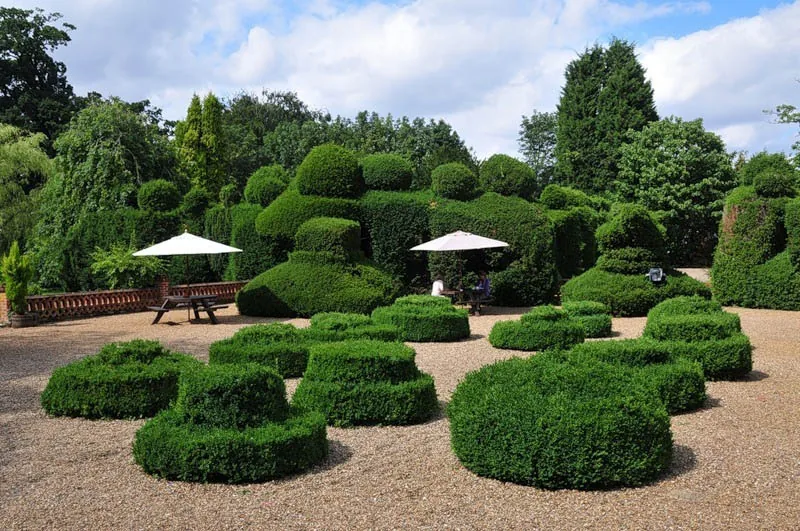 Flowers, shrubs, trees and other vegetation do not have distinct geometric lines. They all have their own specific shape, represented by geometric figures such as a cone, a sphere, an oval, etc. A shape can be three-dimensional (all dimensions are of equal size), linear (one dimension dominates the other two) or two-dimensional (two dimensions are equal and dominate the third).
- Texture
The texture of trees, lawns, flowerbeds and small architectural features can be coarse, medium or fine. This results in a varied, contrasting and interesting design.
- Scale
Contrast is also important when creating a landscape design. A variety of forms can disrupt its cohesion, but if they are skilfully combined, taking into account differences in size, the result will be a cohesive composition.
Balance, symmetry and proportions
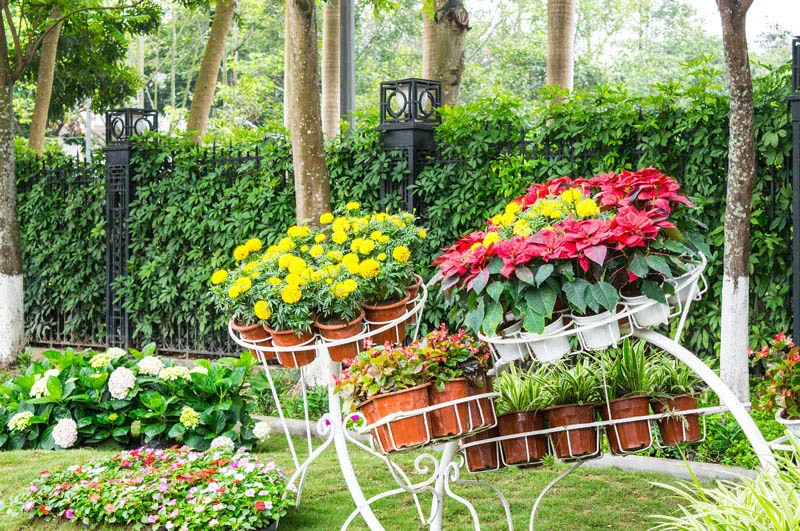 In the process of landscaping a plot, the most crucial stage is arguably landscape design. It combines the fundamentals of architecture and engineering, as well as history and philosophy.
To create a cosy and functional space, it is necessary to draw up a design and an action plan for its implementation. A specialist can assist with this; after analysing the plot, they will determine which plants are best suited to it, as well as advise on what to avoid and how to organise the space effectively.
When bringing a landscape design project to life, it is important not to upset the balance. There are two types of balance: symmetrical and asymmetrical. The former is characterised by the repetition of identical elements in a mirror image. The second involves a variety of sizes and shapes, which must nevertheless harmonise with one another. At the same time, there must be no obvious mismatch in the sizes of elements and objects. It is important to maintain the correct proportions here.
Design details
You must agree that a plot landscaped with plants alone looks rather dull without winding paths, a small fountain, a gazebo, benches or footbridges.
Furniture, small structures, sculptures, planters, artificial water features and lighting are important elements of landscape design which, when combined with greenery, form a complete composition.
As for materials, there are no restrictions whatsoever. The main thing is that they harmonise with the vegetation and complement the house or other building. The colour scheme can also be absolutely anything.
Lighting and colour schemes
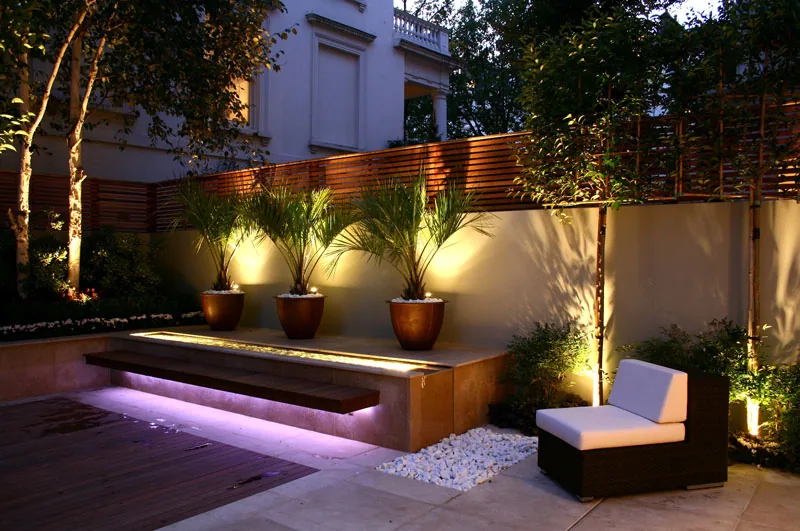 Light and colour are used in landscape design to create visual effects.
Harmony can be achieved through colour contrasts or by combining different shades of the same colour. The colour palette should be pleasing to the eye and evoke positive emotions:
- joy — yellow, orange and red;
- calm — light blue, blue and purple;
- balance — green.
Also, don’t forget that colours can create a visual effect of depth (white) and, conversely, reduce the sense of space (black).
As for landscape lighting, it is used to draw the eye and make it easier to see paths, a relaxation area with a gazebo, the house, the swimming pool or benches in the evening. To achieve this, lights are installed around the perimeter of the plot, whilst small spotlights are used to illuminate small flowerbeds, vegetable patches and any plants you wish to highlight amongst the others at night.
Types of artificial landscape lighting:
- pathway lighting;
- lighting to create silhouettes and shadows;
- top-down and bottom-up lighting;
- spot lighting;
- underwater lighting.
Decorative features
 Buildings, flower beds, lawns, shrubs, rockeries, trees, conifers, mazes, gazebos, decorative staircases, hedges and fences, benches, artificial waterfalls and ponds – although they differ in their functional purpose, they all lend a lively and attractive appearance to the design of a garden or country plot.
With the help of decorative elements in the garden, vegetable patch and country plot, you can create a landscape design that evokes a holiday in an exotic country or a peaceful life in the countryside.
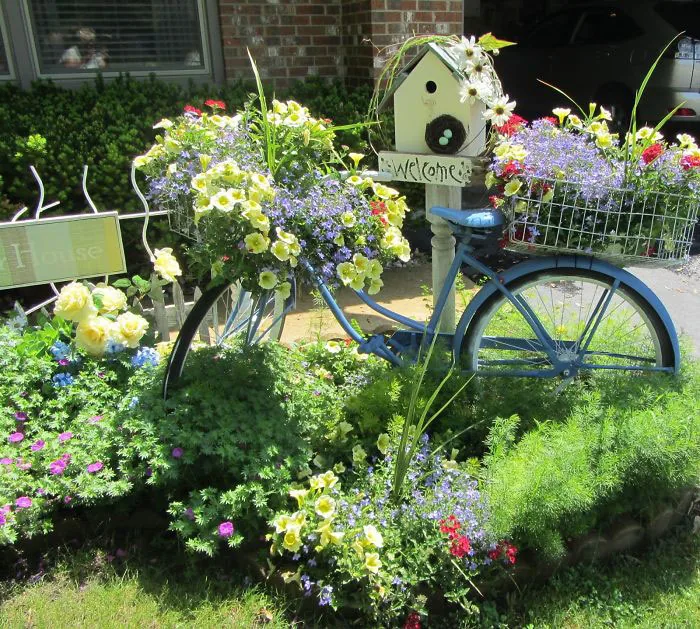
Old items can also be used as decoration; you can give them a new lease of life by turning them into striking features of your landscape design. These might include broken tiles, which can be used to decorate a border or pave a path, a leaky watering can, toys, a pram and even a bicycle.
With a bit of ingenuity, hard work and enthusiasm — your dream plot is ready!


