Commandaria: origins, flavour and choosing a wine
What does the name Commandaria mean, how is this sweet wine made, and what to look out for when buying it or visiting a winery.
Checked: 24 September 2026.
What is Commandaria?
Commandaria is a sweet Cypriot wine with a protected designation of origin and its own production tradition. It is made from local grapes, and its distinctive character is attributed to the grapes ripening in the sun and the ageing process. The word ‘Commandaria’ on the bottle denotes a specific origin and set of regulations, rather than simply any dessert wine from the island.
To get to know it better, it is helpful to consider its history, modern production and flavour. Tales of kings and knights help to understand the wine’s cultural significance, but do not guarantee the quality of a particular bottle. Practical guidelines for purchasing include the producer, the label, the condition of the packaging and storage conditions; whilst for tasting, it is your own perception of the sweetness and aroma that matters.
Commandaria contains alcohol. It is not a medicinal product and is not suitable for people for whom alcohol is contraindicated; it should be avoided during pregnancy. On a tour or at dinner, you can ask for a non-alcoholic alternative.
Name and cultural heritage
The name is linked to the historic region of Great Commandaria near Limassol and the medieval administration of this territory. This does not imply that the production method originated at that time: local traditions of viticulture and sweet wine production predate the name.
UNESCO has included the practices of Commandaria wine production on the list of Intangible Cultural Heritage. This recognition relates to the knowledge, skills and transmission of tradition across generations. It is not a ranking of bottles, nor does it imply that every wine sold under a similar name is linked to the protected practice.
In the villages of the wine-growing region, the cultural history is evident not only in the glass. It is told through the vineyards, family-run estates, methods of preparing the harvest and local festivals. If you are planning a route, check the winery’s opening hours and the format of the visit in advance: tastings, tours and wine sales may require separate bookings.
Grapes and place of production
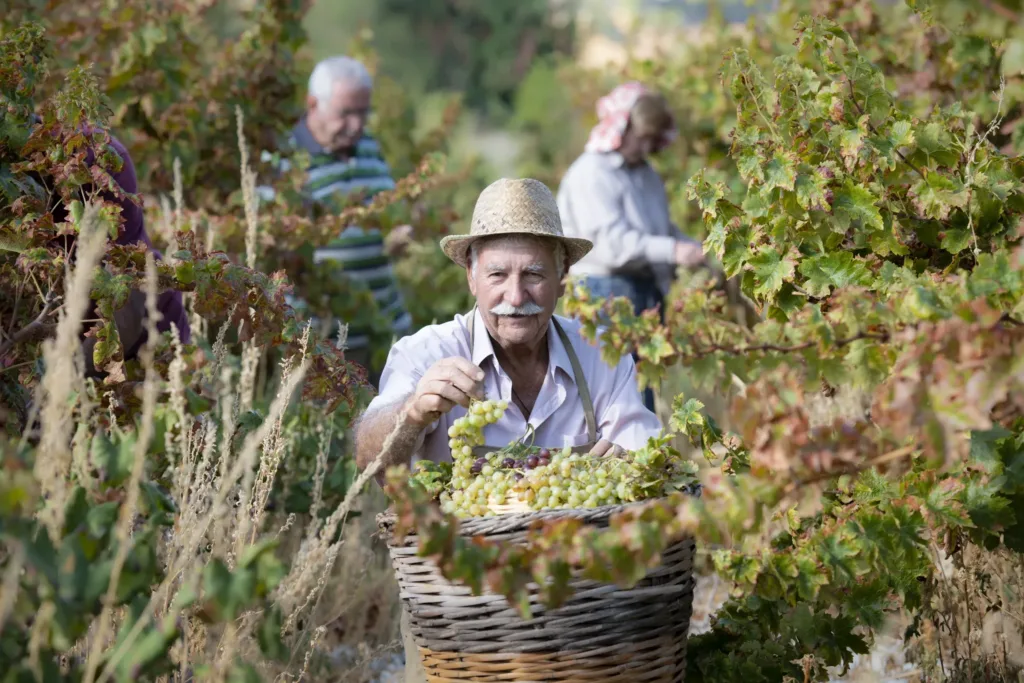
Commandaria is traditionally associated with the Xynisteri and Mavro grape varieties. The label of a particular wine will provide information about the producer and origin; it is best to check with the winery itself for details regarding the blend and style.
The plots on the slopes of the Troodos Mountains vary in altitude, soil, sunlight and weather. Therefore, even within the same region, wines are not necessarily identical. The vintage and the winery’s approach also influence the final result. Generalisations such as ‘all Commandaria always smells the same’ obscure the real differences, which are interesting to compare in a small tasting.
If your route takes you through villages, please respect private vineyards and working premises. Harvesting, drying the grapes and ageing require time and space, and an open door at a vineyard does not always mean free entry. Arrange a visit in advance and ask if you may take photographs of the production process; this will make the trip more rewarding for both the visitor and the hosts.
How the sweet flavour is achieved
After harvesting, the ripe grapes are left to dry in the sun: some of the water evaporates, whilst the flavour compounds and sugar become more concentrated. The grapes are then processed, fermented and aged in accordance with the category’s regulations. This explains the natural sweetness, but does not provide grounds for promising the same intensity or colour across different producers.
Ageing can impart aromas of dried fruit, nuts and spices. Describing the flavour remains subjective: in one sample, a person might detect raisins and caramel, whilst in another, figs or citrus. It is better to taste a small sample and note down your own impressions than to choose a bottle based solely on a promotional list of aromas.
The terms ‘old’ and ‘aged’ on the shop shelf are not synonymous with quality. Wine is sensitive to excessive heat, direct light and a damaged cork. In the shop, examine the bottle and ask how it has been stored. Once opened, follow the producer’s recommendations; if the aroma has changed noticeably or an off-note has appeared, do not rely solely on the date of purchase.
How to choose a bottle
Start with a complete label: look for the exact name, the producer’s name, the country of origin and the mandatory information about the wine. Packaging from a souvenir shop may look attractive, but it is better to assess the quality of the contents based on traceability. If the shop assistant offers a tasting, ask to see the bottle from which the sample was poured and compare it with the one you are buying.
Choose the bottle size to suit the occasion. For a gift, ease of transport and a clear label are important; for a tasting at home, it’s good to be able to compare several producers without ending up with too much opened wine. Prices and the range on offer vary, so figures from old guidebooks are not a reliable guide for today’s purchases.
When buying from a winery, ask questions about the grape varieties, vintage, style and storage. A good answer helps you understand a specific product better than the general myth about ‘the world’s best wine’. When travelling, ensure the bottle is protected from knocks and heat; check with your carrier and the destination country regarding alcohol transport restrictions and customs regulations.
Serving and pairings
Commandaria is usually served in small portions as a sweet wine. Serving temperature depends on the style and personal taste: chilling can make the sweetness less cloying, whilst excessive cold will dampen the aroma. Start with the winery’s recommendation, then allow the glass to warm slightly and compare your impressions without adhering to any rigid, one-size-fits-all rule.
The wine is often served with nuts, dried fruit, local sweets or cheese. A pairing works when the drink and food do not overpower one another; a very sweet dessert can make the wine less distinctive. If you’re serving several appetisers, try each one separately and let your guests choose their own pairing.
Check for allergens and dietary restrictions separately: nuts, dairy products and ingredients in sweets may be hidden in traditional treats. Alcohol also affects your ability to drive. When visiting wineries, decide in advance who will drive and who will take part in the tasting, or arrange organised transport.
How to plan a wine tasting
For your first experience, it’s enough to compare wines from a few estates, noting the sweetness, acidity, aroma and aftertaste in simple terms. There’s no need to guess at a prestigious brand in a blind tasting. Comparing wines at a leisurely pace better highlights the diversity of Commandaria and helps you understand which style suits your meal or makes a good gift.
Official Visit Cyprus materials help you find wine routes, whilst the UNESCO page allows you to explore the cultural context. Addresses, details and opening hours for the routes may change, so please contact the wineries directly before setting off. The map and description of the tradition help you plan your visit, but are no substitute for confirming the details in advance.
The sources for this page were checked on 24 September 2026. Before purchasing and travelling, check the current information on the label and with the producer. Commandaria is particularly interesting for its combination of local craftsmanship, a protected tradition and a variety of flavour profiles; exploring it does not require you to accept historical legends as proven facts.
Continue planning
- Cypriot wines: grape varieties, wineries and wine tasting
- How to pair Cypriot wines with food
- Lefkara lace: the craft and choosing a souvenir
Good article about my favorite wine. I haven’t known it’s history. Many thanks to the author.
I tasted it 3 or 4 years ago during my vocation on Cyprus. It has a complex bouquet with intense aroma of honey and raisins. It’s taste is sweet, soft but intense. Aftertaste has some hints of dried figs and carob. This wine is quite good for women.
We buy it in our hotel every time stay there. We wanted to go to the winery last year to see the production process, but had no time.
I’m from Russia and I can’t find this wine here. Of course there are many shops offering St.John’s Commandaria here, but the taste of Cyprus wine differs a lot.
Try this wine and you will be happy 🙂