Cypriot wines: grape varieties, wineries and wine tasting
Xynisteri, Maratheftiko, Commandaria and wine routes: how to choose a wine and plan a tour of the vineyards.
Checked: 24 September 2026.
Where to start when exploring Cypriot wine
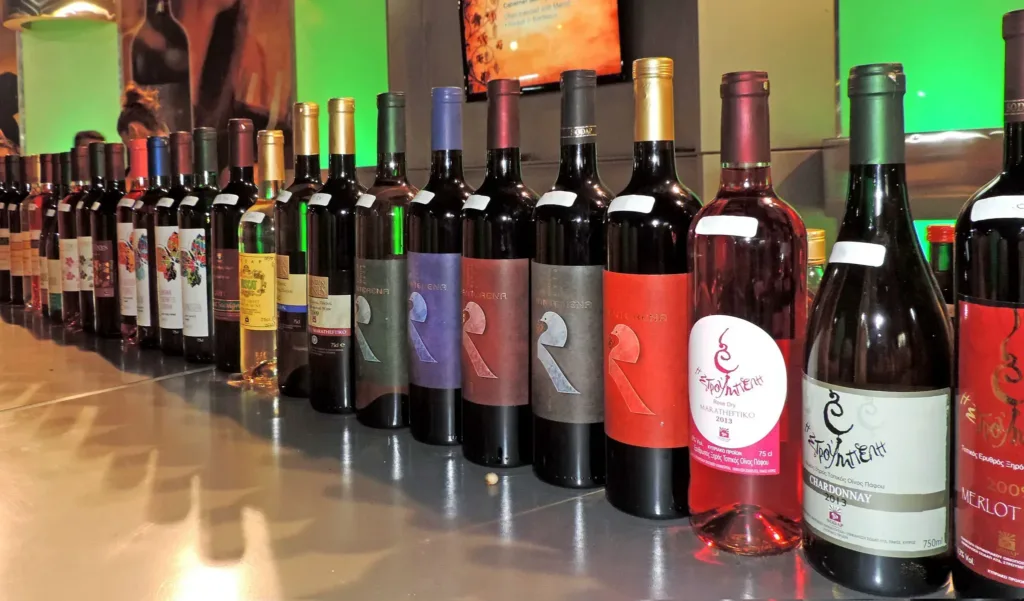
The best way to explore Cypriot winemaking is through the local grape varieties, regions and styles, rather than through a single list of the ‘best’ brands. The island produces white, rosé, red and sweet wines; each winery works with its own grapes and harvest conditions. It’s easier to understand the differences at a tasting with clearly labelled wines and small portions.
Local origin alone does not guarantee a specific flavour. The same grape variety can vary in acidity, body and aroma depending on the location and vintage. Descriptions of older bottles and sommeliers’ personal assessments are useful as reflections of their time, but not as an unchanging characterisation of the entire contemporary range.
Wine contains alcohol and is not a medicine. If alcohol is contraindicated for you, refrain from tasting or choose a non-alcoholic drink. You can plan a tour centred around the vineyards, the landscape and a chat with the producer, without making wine-drinking an essential part of the trip.
Local varieties and styles
Xynisteri is one of the notable local white grape varieties. Wines with different characteristics are made from it: their freshness and aroma depend on the vineyard plot, the harvest date and the winemaker’s techniques. When choosing a wine, ask whether it is dry, how it was aged and when it was bottled; the name of the variety does not reveal everything you will find in your glass.
Maratheftiko and Mavro are among the local red varieties. Red wines can vary in body and tannin intensity, so it’s best to verify the description ‘full-bodied’ by tasting. In blends, local grapes may be combined with international varieties; check the label for the composition of a specific bottle.
Commandaria holds a special place as a sweet wine with a protected designation of origin and a historic tradition. It should not be regarded as representative of every dessert wine from Cyprus. If you are particularly interested in this style, compare bottles from several producers and read our separate article on its origins and serving suggestions.
Where to find wineries
The official tourism portal describes wine routes across the island’s regions. The map helps you link villages and estates into a single trip, but does not guarantee that every venue is open without prior booking. Before setting off, confirm the address, opening hours, tour price and language of communication directly with the winery.
Mountain roads take time, even when the distance on the map seems short. It is best to choose just a few stops and allow plenty of time for the journey, conversation and meals. If there is a driver in your group, agree that they will not take part in any wine tasting; an alternative is to use organised transport or to go on a tour without tastings.
A small winery may only sell wine on the premises or by prior arrangement. Supermarkets, specialist shops and tasting rooms offer a variety of choices. Don’t expect to find a specific bottle from an older vintage: batches and ranges change, particularly among small-scale producers.
How to read a label
On the bottle, look for the producer, origin, grape variety or blend, category and mandatory information about alcohol content. Some wines specify the vintage and ageing method. If a term is unclear, ask the sales assistant what it means for that particular wine, rather than judging the quality based on a single catch-all phrase.
A Protected Geographical Indication describes the origin and established rules, but it is no substitute for your own assessment of the taste. A medal, a critic’s quote or a charming story about the vineyard are no guarantee that the wine will complement your dinner. It is worth comparing the price, style and condition of the bottle, and then choosing according to your own preferences.
In the shop, check that the packaging is intact, that there are no leaks, and that the storage conditions are suitable. Direct sunlight and extreme heat are not good for wine. If buying as a gift, check the airline’s transport regulations and the customs restrictions of the destination country; you cannot assume that just because a bottle is freely available in Cyprus, it will be allowed through.
Tasting without complicated rules
Taste small samples and compare them one after the other. First, assess the colour, then the aroma, flavour and aftertaste. Simple words are sufficient for description: dry or sweet, light or full-bodied, fresher or smoother. Tasting does not require guessing the variety with your eyes closed.
Serving depends on the style. White or rosé wines often benefit from being chilled, whilst reds do not necessarily need to be served warm after a hot day. If the temperature is too low, it can mask the aroma. Start by following the producer’s recommendations, allow the wine a little time in the glass, and compare your impressions.
It’s a good idea to drink water and take breaks between samples. Bread or a neutral snack helps to prevent the flavours from blending together. There’s no need to sample the entire range in a single visit: a limited selection, accompanied by the producer’s explanation, will give you a clearer picture and reduce the risk of overestimating your own judgement.
Food and the local context
Pairing wine with food depends not only on whether it’s meat or fish, but also on the sauce, salt, acidity and method of preparation. Wines with noticeable acidity are often chosen for fresh dishes, whilst richer styles are preferred for heartier dishes. These are guidelines for experimentation, not rules: a pairing you enjoy is more important than a formula from a guidebook.
Cypriot cuisine offers plenty of opportunities for comparison: fish, vegetables, halloumi, slow-cooked meat and desserts all pair differently with wine. If a dish contains allergens or you need to limit your alcohol intake, check the ingredients and portion size in advance. A waiter can suggest available non-alcoholic options.
Commandaria with cheese or dried fruit is a well-known example, but a very sweet dessert may clash with the wine. Ask about the style of a particular bottle and try a small amount of food separately from the drink. One successful pairing does not mean that all wines of the same variety will pair equally well.
Planning your trip and checking details
Plan your route using an official map, then check the websites and contact details of your chosen wineries. Check booking details, child-friendliness, purchasing conditions, parking and your return journey times. During the harvest period, working hours may differ from those for visitors, so it’s particularly useful to get confirmation of your visit.
Make a note of the names of the wines you like and take photos of the labels with the owners’ permission. This will enable you to find the exact vintage and producer later on, without having to rely on your memory or promotional recommendations. If you’re buying several bottles, check with the winery regarding storage and the recommended shelf life once opened.
The sources for this page were verified on 24 September 2026. Visit Cyprus helps you find your way around the regions and traditions, whilst the current range is confirmed by the producers themselves. Wine remains an integral part of the local culture, but choosing and tasting it requires consideration of your own limitations, the journey involved and the specific bottle in question.
Continue planning
- Commandaria: origins, flavour and choosing a wine
- How to pair Cypriot wines with food
- Fish meze in Cyprus: ingredients and choosing a taverna