Abu Dhabi, United Arab Emirates. Both the United States and Iran are claiming victory at what has been described as a critical juncture in a conflict with broad economic and energy consequences. An analyst says the situation is more complex than competing declarations suggest and remains unstable even where pauses in fighting occur.
Conflict across interconnected theatres
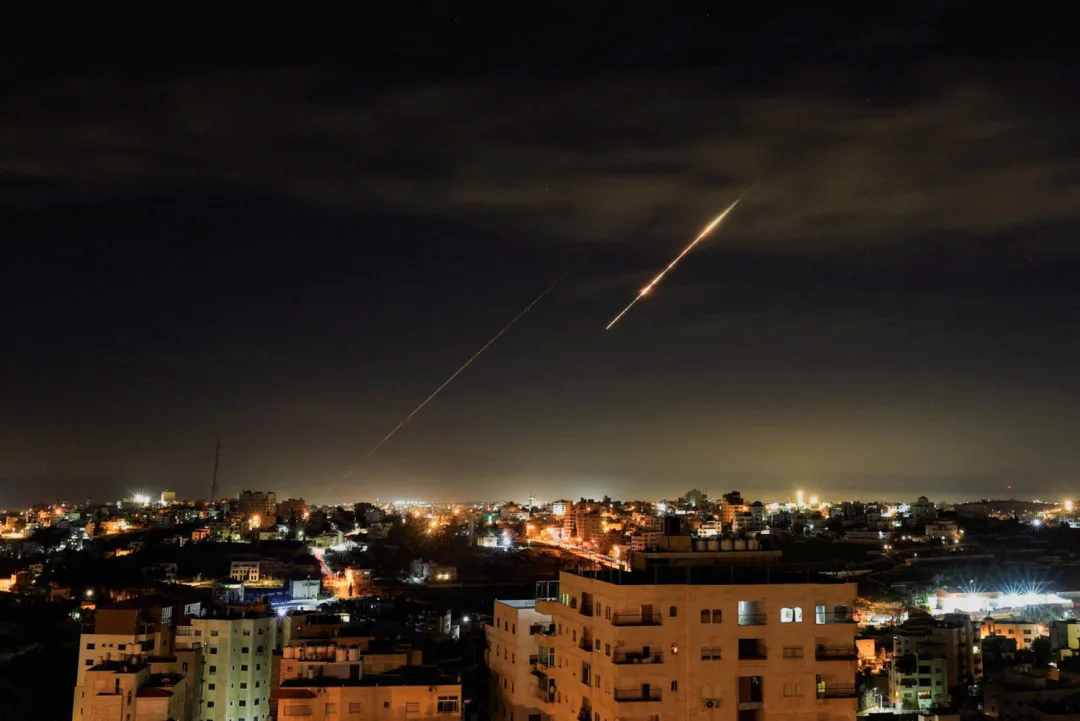
In an interview with Phileleftheros, Kleanthis Kyriakides, an Associate Professor of Security and International Relations in the United Arab Emirates, said the conflict is unfolding across multiple, interconnected theatres stretching from the Persian Gulf to Lebanon. He said energy, maritime security, and the regional balance of power are creating acute geopolitical tension in which military and diplomatic moves carry immediate international consequences. He added that even a ceasefire appears more like a temporary pause than a stable path to peace.
Assessing claims of victory
Kyriakides said determining who has won requires focusing on political objectives rather than battlefield dominance. He said the political objective of the United States is unclear and that regime change has not been achieved, stating that Ayatollah Khamenei has been replaced by his son. He said Iran’s nuclear programme was reportedly destroyed last summer, but remains under discussion. He also said the Strait of Hormuz still needs to be reopened, while noting it was not closed before the war began. He said differing assessments are circulating and that the United States is still struggling to clearly state that it has won.
He said Israel’s explicit goal from the outset was regime change, which he said does not currently look achievable. He added that if Iran’s aim was to preserve the regime, its energy infrastructure, and its missile deterrence, it has managed that to a degree, though he said Iran will emerge from the conflict badly bruised.
Prospects for a US-Iran deal
Kyriakides said a deal that both sides can present as a victory would require both parties to present the outcome in contradictory terms. He said there are no shared points of convergence, adding that Iran will not stop backing proxies such as the Houthis and Hezbollah or dismantle its missile deterrent. He said the United States will not pay war reparations as Tehran demands or accept changes to the legal status of the Strait of Hormuz that would require ships to pay tolls.
He said the one area where agreement may be possible is Iran’s nuclear programme, noting that a deal existed previously and that Donald Trump withdrew from it unilaterally.
Mistrust and credibility in negotiations
Kyriakides said there is deep, longstanding mutual mistrust and that the two countries have had no diplomatic relations for many years. He said the nuclear agreement was an international agreement rather than a bilateral Iranian-American deal, and said it was broken by the United States not because the other side violated it, but on the grounds that it was not a good deal. He said this sets a damaging precedent and raises questions over whether Iran could be convinced that any new agreement would not be judged inadequate by a future US administration and abandoned.
Implications for international law and regional strategy
Kyriakides said the crisis reflects a broader trend of erosion in international law as a governing framework. He said that as power increasingly appears to trump rules, countries such as Cyprus and Greece are being forced to rethink their strategies by placing greater weight on deterrence and alliances.
What developments would you watch for to assess whether a US-Iran agreement on the nuclear programme could hold?