IMO advances revised safety guidance for methanol and ethanol-fuelled ships
The IMO has completed draft revisions to safety guidance for ships using methyl and ethyl alcohol fuels, with approval expected to be considered in June 2027.
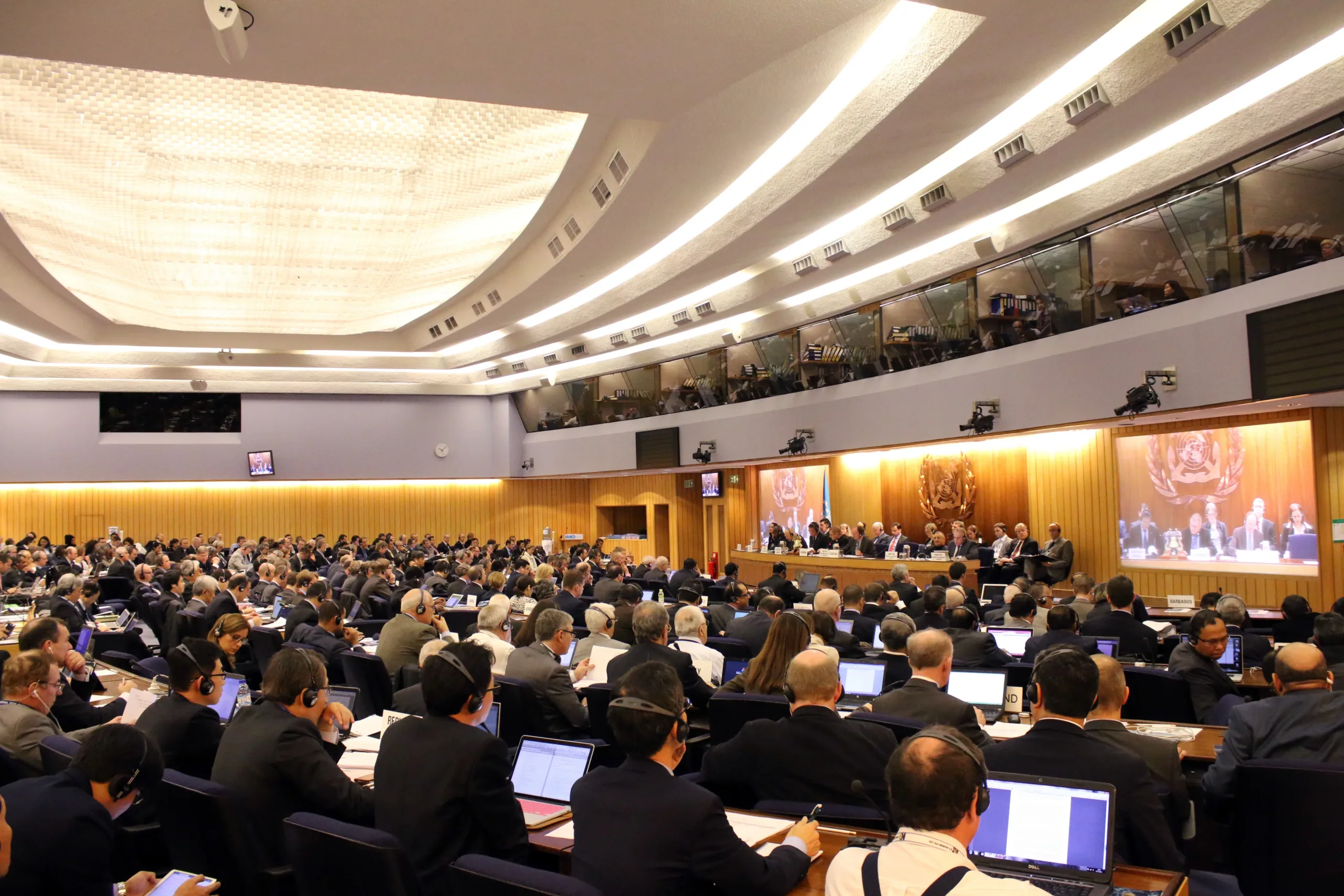
London, United Kingdom. The International Maritime Organisation has completed a major revision of interim safety guidance for ships using methanol and ethanol as fuel, as work continues on standards for other low-flashpoint fuels.
The revisions were finalised at the 12th session of the IMO Sub-Committee on Carriage of Cargoes and Containers, held in London from September 14 to 18.
Related: Cyprus central bank chief warns energy shock is fuelling inflation as ECB holds rates
 RelatedCyprus central bank chief warns energy shock is fuelling inflation as ECB holds rates
Draft revisions
Alternative fuels were a prominent topic at the CCC 12 meeting. INTERTANKO, which participated in Working Group 1, said discussions focused on further developing the safety framework for alternative fuels as shipping looks beyond conventional oil-based propulsion.
The sub-committee finalised revisions to the Interim Guidelines for the Safety of Ships Using Methyl/Ethyl Alcohol as Fuel, known as MSC.1/Circ.1621.
The text will be submitted to the IMO’s Maritime Safety Committee. MSC 113, scheduled for June 2027, is expected to consider the revisions for approval. Until then, the changes remain draft revisions and are not new mandatory rules, according to Lloyd’s Register.
Expanded safety provisions
Lloyd’s Register said the revised framework contains more specific requirements on toxicity, bunkering, fire safety, operations and personnel protection, based on experience gained since the existing guidelines were introduced.
The changes are particularly relevant to methanol, for which safety considerations include crew exposure risks in addition to fire hazards associated with conventional marine fuels.
DNV said the revision covers all sections of the existing guidelines and provides designers with greater flexibility in positioning fuel tanks and arranging for leakage management. It also introduces a new approach to ventilating fuel spaces and expands provisions on bunkering stations and fire-extinguishing systems.
Guidance on bunkering operations and personal protective equipment has also been strengthened, placing greater emphasis on the practical handling of fuel by crews as well as ship design.
Commercial use
The regulatory work comes as methanol gains wider use in commercial shipping, increasing pressure for safety requirements that can be applied consistently in ship design, construction and operation.
Related news




This news item was generated automatically by Cyprus Inform from publicly available materials. Report an error →
Write a comment