Komboloi’s journey from prayer beads to a symbol of everyday life
The komboloi evolved from religious bead traditions into a familiar cultural object in Cyprus and Greece, valued for its movement, sound and craftsmanship.
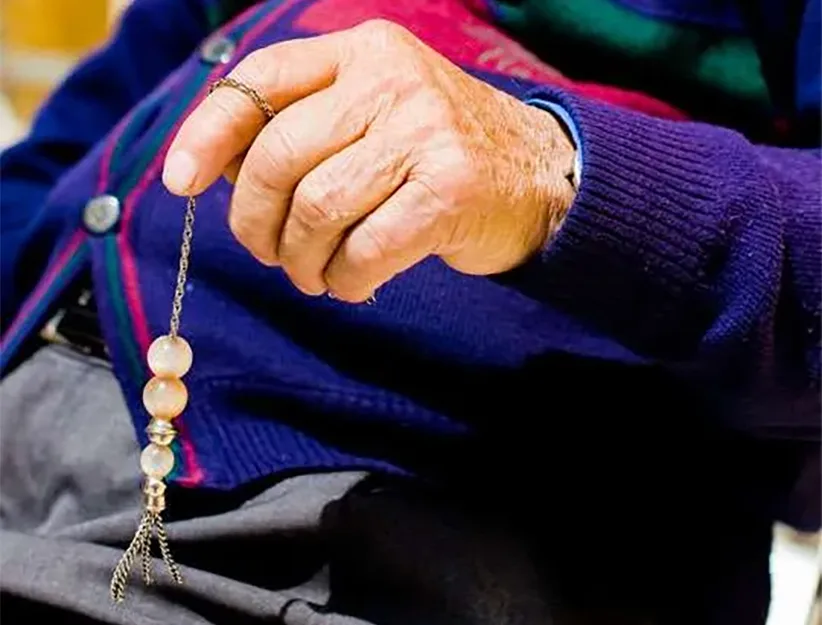
Nafplio, Greece. The komboloi, widely recognised in Cyprus and Greece, developed from centuries-old prayer bead traditions into a secular object associated with movement, sound and everyday life.
From prayer beads to komboloi
Often translated as “worry beads”, the komboloi is neither solely an object for keeping hands occupied nor a religious item. Its history stretches through Hindu, Buddhist, Muslim, Orthodox and Catholic bead traditions before it became closely linked to Greece and Cyprus.
Unlike prayer beads, which are traditionally used to count prayers, a komboloi is designed to allow its beads to move freely along the string and create a distinctive clicking sound.
“Sound is the basic element,” said Eleni Evangelinou, manager of the Komboloi Museum in Nafplio.
Founded in 1998, the museum traces the object’s development from religious bead traditions to the Greek komboloi.
Origins and meaning
Evangelinou places the emergence of the komboloi around the beginning of the 19th century. Following centuries of Ottoman rule, Greeks would have been familiar with Muslim prayer beads, which she said inspired the object.
The resulting komboloi was no longer religious. The spaces between its beads allowed movement and sound, creating a different purpose from that of prayer beads.
Evangelinou said the transformation reflected a desire among Greeks to regain freedom. “There is sound, there is speech. There is freedom of movement,” she said.
Changing social associations
Although now strongly associated with Greek and Cypriot culture, the komboloi was once linked to people from lower socioeconomic backgrounds and, Evangelinou said, was most probably associated with “laziness” for that reason.
It later became closely connected with rembetiko culture, while people with a higher social or educational standing were less likely to carry one.
Over time, perceptions changed and the komboloi became an object of prestige, with particular significance for its owner.
Craftsmanship
Yiannis Ioannou, founder of the Cyprus-based Kombologia online shop, said craftsmanship is central to the object’s complexity.
Ioannou grew up around beads, tools and materials in his father’s jewellery workshop before beginning to make komboloi himself.
“A well-made piece may look simple, but much of the real work is hidden in the knots, joins, spacing and balance,” he said, adding that small decisions can affect how a komboloi moves and feels in the hand.
This news item was generated automatically by Cyprus Inform from publicly available materials. Report an error →