Shadow puppetry traditions continue in China and Cyprus
Chinese shadow theatre and Cyprus’ Karagiozis tradition use distinct puppets and stories while preserving long-standing performance practices.
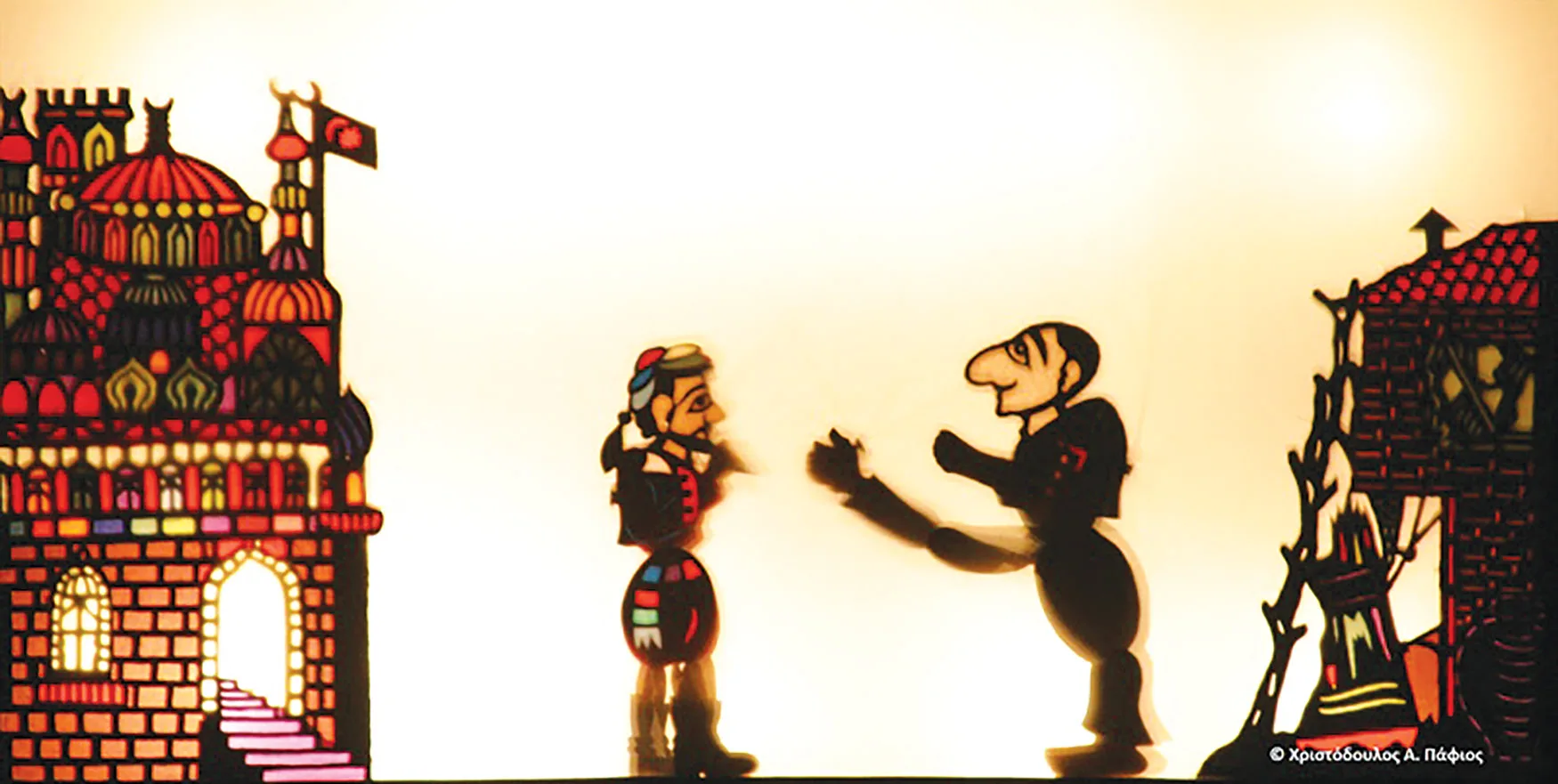
Nicosia, Cyprus. Shadow puppetry remains a storytelling tradition in China and Cyprus, where performances use figures projected against a white sheet. While the practices have different origins, materials and styles, both rely on skilled puppet masters.
Origins of Chinese shadow theatre
Chinese shadow puppetry can be traced to 100 BC. It is thought to have first appeared after Emperor Wu of the Western Han Dynasty became depressed following the death of his favourite concubine.
According to the account, a minister made a cotton and silk puppet in the likeness of the concubine and projected its shadow onto a curtain. The performance offered consolation to the emperor and is described by some as an early predecessor of the film industry.
By the 13th century, shadow plays were regular entertainment for Mongolian troops, who spread the practice to places including Persia, Arabia and Turkey. The form subsequently reached Europe, and more than 20 countries are known to have shadow theatre traditions.
Karagiozis in Cyprus
In Cyprus, shadow puppet theatre is known as Karagiozis, named after the central character in many performances. One account attributes its origins to an Ottoman Pascha who executed an employee called Karagiozis because his stories disrupted work.
When the Pascha later became ill, he reportedly requested Karagiozis’ stories. Other employees then told them through puppets.
Another version attributes the tradition to a Greek man called Mavromatis, who brought shadow theatre from China to Turkey. He adapted the performances to Turkish customs and was given the name Karagiozis, meaning black eyes in Turkish. After his death, an assistant is said to have taken the show to Greece.
Materials and performance styles
Chinese puppets are made from carefully prepared donkey, sheep or cow leather, while Cypriot puppets have traditionally been made from wood or cardboard. In both traditions, figures have jointed body parts and require experienced operators.
Chinese performances developed from royal entertainment into a feature of celebrations and festivals. Flat, one-sided figures with decorative patterns reflected the social class of the characters portrayed, while stories were mainly based on legends and fairytales and were often accompanied by singing, opera and music.
Cypriot Karagiozis performances were traditionally staged for children and adults at amusement fairs, religious festivals and village events. They were initially accompanied by violin music and later by recorded music. The character Karagiozis is known for jokes and mischievous behaviour.
Performances and preservation
Karagiozis performances are being staged around Cyprus this summer, largely through the work of one extended family. Yiannakis Paphios, who runs one of two local groups, said the family is continuing the work of its grandfather and father.
Paphios said he hopes one of his sons, who currently assist him, will continue the work. His brother Christakis operates a Karagiozis museum and workshop in Nicosia and also stages performances.
This news item was generated automatically by Cyprus Inform from publicly available materials. Report an error →