Surging US diesel costs raise pressure on freight, food and manufacturing prices
September producer-price data showed rising diesel costs spreading through US supply chains, increasing pressure on businesses and potentially pushing consumer prices higher.
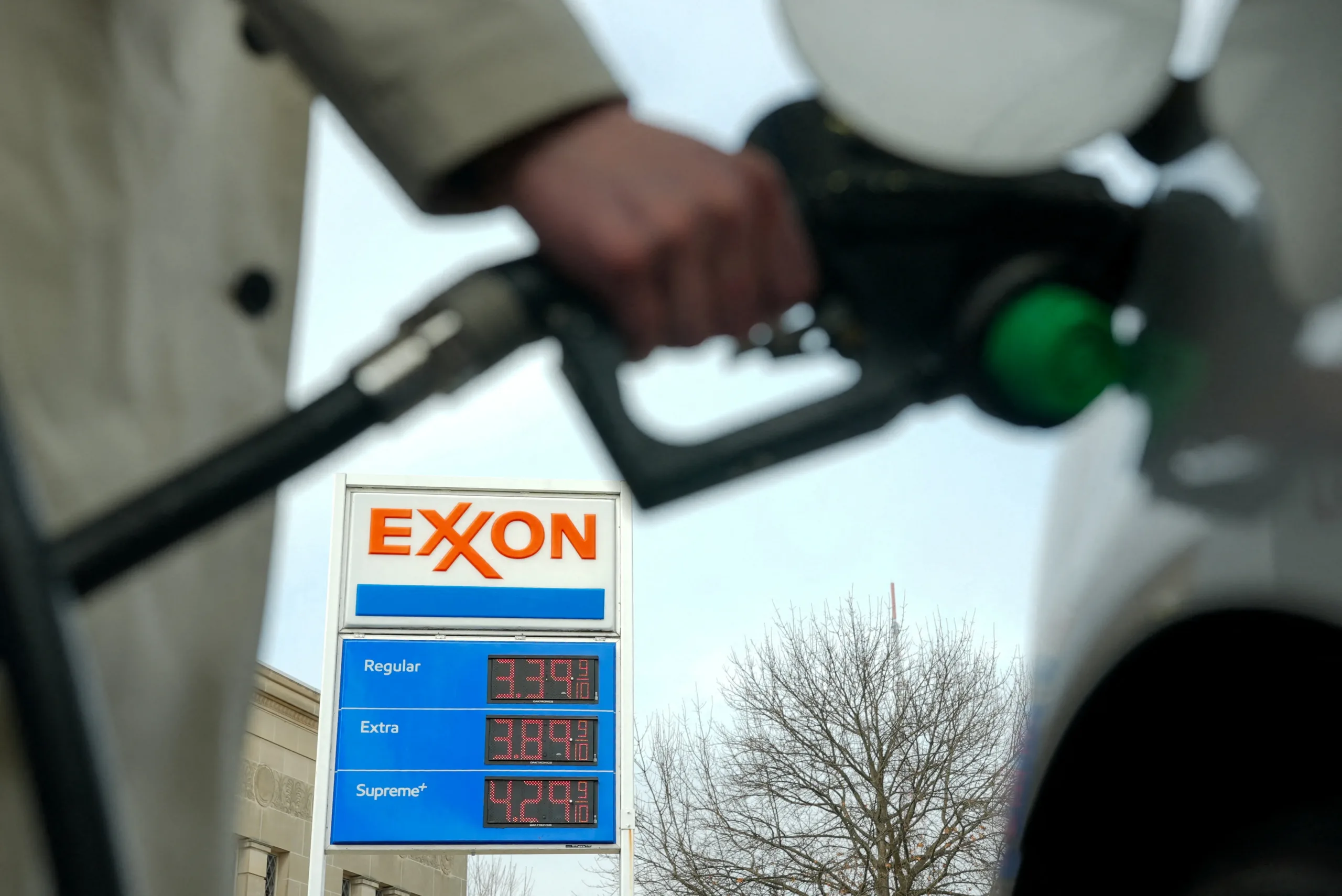
Washington, United States. US wholesale prices rose substantially more than anticipated in September, according to Labor Department figures released Thursday, with record diesel costs adding pressure across supply chains. The increases signalled further potential rises in consumer prices over the coming weeks and months as businesses pass on higher expenses.
Freight costs spread the impact
The department’s 34-page report showed the effects of expensive energy, particularly diesel, across producer prices. Oxford Economics recently described its importance this way: “Diesel is the workhorse fuel of the economy.”
Although Americans can see diesel’s sharp price increases when filling their cars, SUVs and pickups, only a small share of US motorists drive diesel vehicles. That can leave drivers believing they are avoiding the steep increases, even though diesel powers most trucks in the country’s goods-transport fleet.
Trucks carry goods, food and beverages at some point before they reach shops, collection points or customers’ homes. Diesel prices have more than doubled over the past year, raising delivery expenses and prompting freight operators to seek higher charges.
The Producer Price Index measure for freight carried by truck increased 19% in September compared with a year earlier, its largest annual rise in slightly more than four years.
Freight charges are also reacting more quickly to diesel increases than they did to the fuel-price surge following the COVID-19 pandemic. The economy is stronger now, with historically low unemployment of 4.2% helping sustain robust demand. Diesel’s price level is also more than twice that seen when the pandemic recovery started.
Pressure builds earlier in the food supply chain
Diesel’s role in food production extends from tractors and harvesting machinery to trucks supplying supermarkets and restaurants.
September food-price increases at the final-consumer level were relatively modest in both the Producer Price Index and Consumer Price Index. Earlier stages of food production, however, recorded much faster increases.
The average increase in food-input costs across the first two intermediate-demand stages measured by the Producer Price Index reached 15.6% from a year earlier. That was the largest rise in approximately four years.
Those measures capture producers’ energy expenses as well as energy costs involved in making essential farm supplies, including fertilisers and other agricultural chemicals. Prices for energy-sensitive feed products, including corn, hay, hayseeds and oilseeds, each rose more than 25% over the year.
Historical patterns suggest those upstream increases could translate into further supermarket price rises in the months ahead. Following the producer-price release, Oxford Economics senior US economist Matthew Martin said: “We expect a pickup in food inflation later this year,”
Manufacturers face a choice on costs
The US economy uses substantially less energy relative to its size than during the 1970s oil shocks. Nevertheless, high energy prices still affect overall prices, with their impact increasing the longer they remain elevated.
Producer Price Index categories covering manufacturing materials are recording annual increases in double digits. Those inputs already incorporate higher diesel expenses incurred during production and delivery, leaving producers to absorb the increases through lower margins or pass them on to customers.
This news item was generated automatically by Cyprus Inform from publicly available materials. Report an error →