Kleftiko in Cyprus: the dish and how it is served
What is kleftiko, why does the meat take so long to cook, how to choose a taverna, and what to consider regarding ingredients, side dishes and dietary restrictions.
Checked: 24 September 2026.
What is kleftiko?
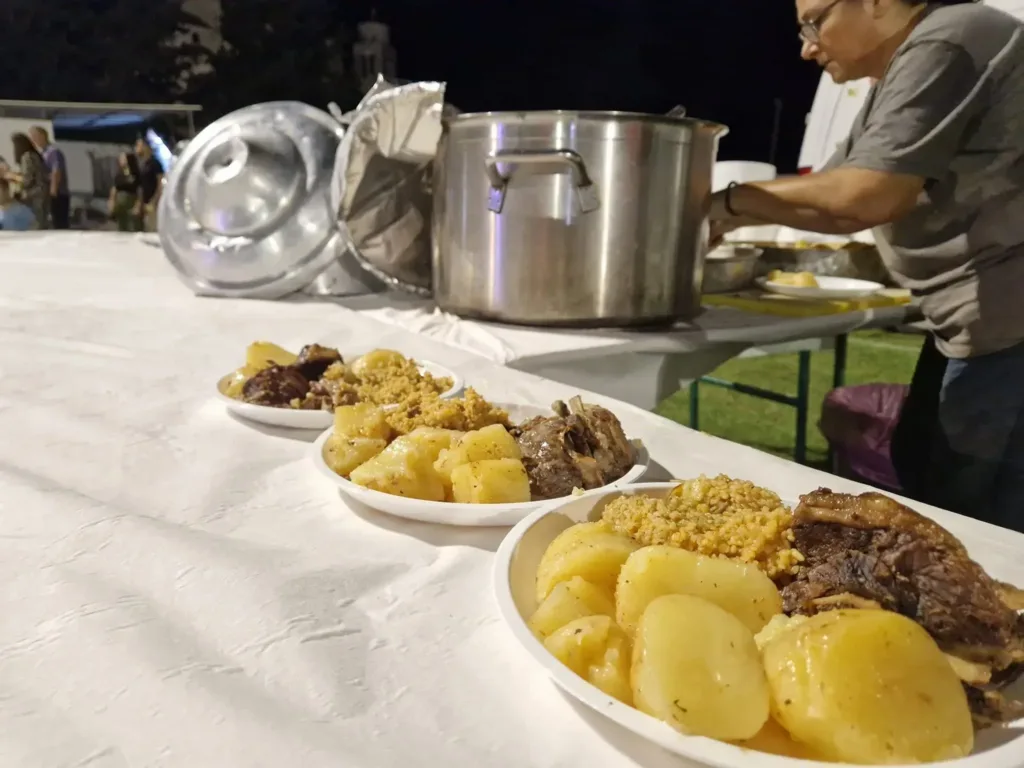
Kleftiko is a meat dish that is slowly cooked in a covered pot or oven. In Cyprus, it is most commonly associated with lamb and a long, slow cooking process, which makes the meat tender. However, tavern recipes vary: the blend of spices, the side dishes and the method of serving cannot be determined by the name alone.
There are tales surrounding the word about shepherds and the secret preparation of the meat. These have become part of gastronomic folklore, but do not confirm the origin of every modern recipe. For diners, it is more useful to know what type of meat a portion is made from, how late the kitchen is open, and whether side dishes are included in the price.
Kleftiko should not be confused with just any roast meat. A sealed container retains moisture and flavours, and slow cooking differs from quick grilling. If the dish is important to you, ask whether it is being prepared fresh today at this particular establishment or whether they are simply reheating a pre-cooked portion.
Meat and preparation
The traditional version is usually made with lamb, but the specific cut and portion size depend on the kitchen. You may find versions with other meats on the menu; check the ingredients before ordering. Bone, fat and connective tissue alter the taste of the finished dish, so portions that look the same do not necessarily contain the same amount of meat.
Chefs may add salt, herbs, garlic, lemon or vegetables. There is no standard set of spices used in all taverns. If you wish to avoid a particular ingredient, please let the chef know before cooking begins: once the dish has been simmering for a long time, it is often impossible to remove it from the portion.
At home, start with a reliable recipe and suitable cookware. Handle raw meat separately from cooked food, and check the temperature and doneness using safe methods. Tenderness alone is no substitute for food safety rules, especially if you’re cooking a large piece or saving leftovers for the next day.
Why does cooking take so long?
Slow heating allows the connective tissue to soften, whilst the juices and flavours remain locked inside the sealed dish. This is why it’s difficult to order kleftiko ‘quickly’ upon arrival at a restaurant: the kitchen usually prepares it in advance for a specific time. Check availability when booking, especially outside the peak season.
Historically, this method involved using a traditional oven, but modern equipment may differ. What matters is the result and the restaurant’s honest description. It is best to clarify the phrase ‘cooked in a traditional oven’ if the cooking method is important to you; it is not automatically a mark of quality.
A long cooking time does not mean that the dish can be kept warm indefinitely without risk. The restaurant is responsible for storing and serving food in accordance with safety regulations. At home, cool down leftovers and store them according to reliable guidelines, and when reheating, ensure the food is brought back to a safe temperature.
How kleftiko is served
The meat may be served with potatoes, vegetables, bread, salad or a sauce. Sometimes the side dish is cooked in the same dish, soaking up the juices; sometimes it is served separately. Before ordering, check the menu and ask what’s included in the portion to avoid an unexpected bill or an overly large portion.
The meat may be very hot and fall off the bone. Allow the portions to cool slightly, especially if children are eating. If you prefer a less fatty cut, ask the waiter for a recommendation; the kitchen may not always be able to replace a portion that has already been cooked, but they will inform you of the ingredients.
It’s best to savour the flavour of kleftiko without too many extra sauces. Lemon or herbs are added as desired, not because the original dish ‘necessarily’ requires them. Comparing dishes across different tavernas showcases the diversity of local cuisine better than arguing over a single ‘authentic’ recipe.
Where to try it
Look for a place with an up-to-date menu and ask on which days they serve kleftiko. Some kitchens offer it in limited quantities, and the dish may run out before the evening. Old lists of popular tavernas do not guarantee availability today, so it’s worth confirming in advance if you’re travelling specifically for this one dish.
Ask about the expected serving time, portion size, type of meat and side dishes. If the meat is sold by weight, check the price before it is cooked. For a group, it’s useful to find out whether you can order a shared portion and how it will be calculated; this is particularly relevant when ordering a large selection of meze.
Reviews help to identify consistent experiences, but a single rave or negative review is no substitute for the menu or a chat with the staff. Pay attention to cleanliness, whether the bill is clear, and the staff’s willingness to answer questions about ingredients. The type of oven or rustic décor does not in itself indicate the quality of the food.
Dietary restrictions
Lamb kleftiko is not suitable for people who avoid meat for dietary or religious reasons. The side dishes and sauce may also contain ingredients of animal origin. If you require a strict diet, discuss this with the kitchen before ordering and choose a separate dish if the answer is unclear.
When it comes to allergies, it is not just the obvious ingredients that matter, but also the marinade, stock, pre-mixed spices and cross-contamination in the kitchen. Inform the staff of the specific allergen and ask if they can check the ingredients. A simple assurance that ‘it’s just meat’ without checking the recipe is not enough for someone with a severe reaction.
Portions can be large and salty. If you have medical restrictions, stick to them and choose your portion size accordingly. Local custom does not require you to finish a large portion; you can share it or ask for the leftovers to be packed away, provided the restaurant adheres to safe food-handling practices.
Home preparation and verifying information
You can cook the dish at home in a sealed, heat-resistant dish, following the recipe and your oven’s instructions. Do not replicate old-fashioned methods involving burying food or using a homemade oven without understanding the safety implications. To achieve the desired result, it is important to use suitable meat, control the heat and allow sufficient time.
When planning your dinner, compare several current menus and decide in advance whether you’d prefer a traditional presentation or a modern interpretation. Such options are acceptable provided the restaurant describes them honestly. The story behind the name can be discussed at the table, without turning legend into proven fact.
The sources for this page were verified on 24 September 2026. Official gastronomic materials help to understand the dish’s place in Cypriot cuisine, whilst availability, ingredients and price depend on the specific taverna. For home cooking, please also check the guidelines on safe handling of meat.
Continue planning
- Fish meze in Cyprus: ingredients and choosing a taverna
- Halloumi: Cypriot cheese, origins and cuisine
- How to pair Cypriot wines with food