Cyprus’s 1931 uprising: economic pressures, unrest and colonial repression
Historians examine the economic and political roots of Cyprus’s October 1931 uprising, which brought British reinforcements and the abolition of elected bodies.
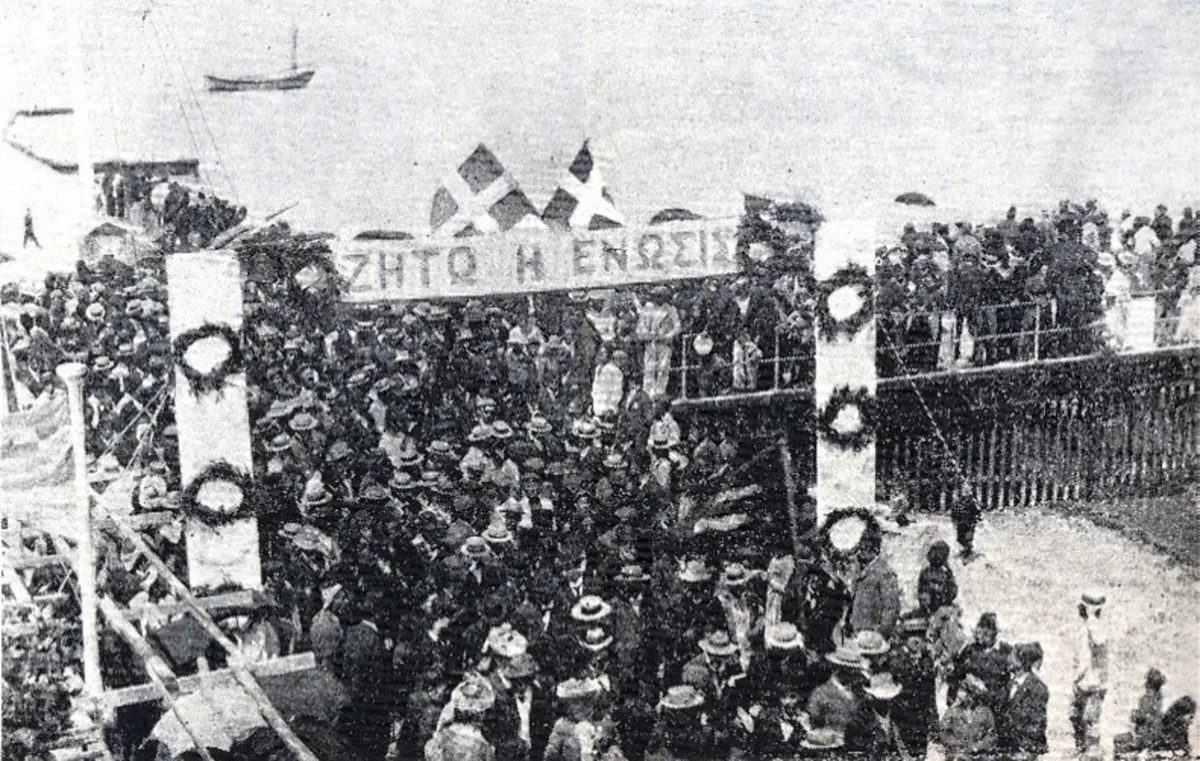
Nicosia, Cyprus. Ninety-five years ago, in October 1931, Britain dispatched around 150 soldiers from Cairo to Cyprus and warships to Limassol and Paphos after demonstrators destroyed Nicosia’s government house by fire. The revolt, called Oktovriana in Greek, started on October 21 and ended in early November.
Economic hardship and political grievances
Historian Ersi Demetriadou challenged interpretations portraying the unrest as predominantly political and led by the church. Speaking to the Cyprus Mail, she said “it is a fallacy to suggest the uprising was simply a consequence of the church and the elites,” and argued that the events reflected the frustrations facing the island.
Demetriadou linked that discontent to economic hardship, saying the 1928 Wall Street Crash brought higher taxes for people who were largely surviving at subsistence level. Cyprus also continued to pay London roughly £92,800 each year in tribute, an obligation inherited from Ottoman times.
She said rising unemployment prompted a large-scale departure of Cypriots overseas, while colonial taxation placed a particularly heavy strain on poorer agricultural communities.
Petros Papapolyviou, associate professor of contemporary Cypriot history at the University of Cyprus, identified political as well as economic causes. He attributed the unrest to the wider international economic crisis and fiscal measures that imposed a growing, increasingly intolerable burden on island residents.
From the church gathering to government house
On the uprising’s opening day, the remaining Greek Cypriot legislative council members stepped down at the Nicosia commercial club. Around 5,000 people, chiefly students and prominent townspeople, assembled outside Phaneromeni church, calling for enosis.
As demonstrators headed towards government house, they took sticks from a government-owned timber yard. Officers on horseback and police carrying batons were unable to stop them at the gates.
Police commissioner colonel Gallagher delivered a translated reading of the Riot Act, but the demonstrators remained. Burning wooden planks were hurled through shattered windows, and police vehicles were torched.
Exile, convictions and rule by decree
The uprising’s aftermath saw ten people banished for life and 2,606 convicted of sedition.
Colonial authorities then abolished Cyprus’s elected institutions, governing through authoritarian decrees until the Second World War.
Related news



This news item was generated automatically by Cyprus Inform from publicly available materials. Report an error →
Write a comment