Lisbon manifesto calls for extra virgin olive oil to be treated as a public health resource
Endorsed by more than 60 organisations in 18 countries, the Lisbon Manifesto seeks dietary guidance, institutional use and polyphenol labelling for extra virgin olive oil.
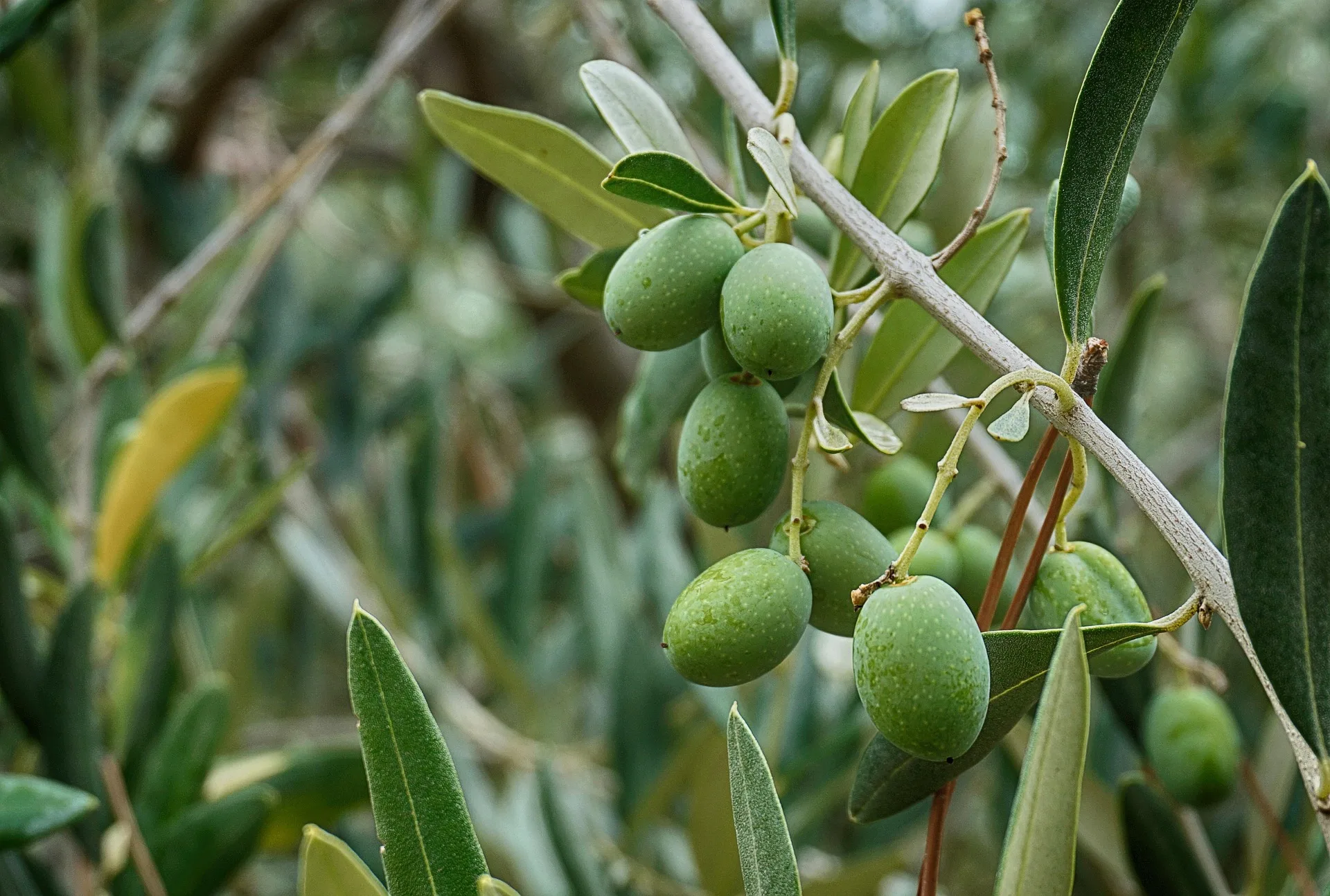
Lisbon, Portugal. Growers, millers, doctors and researchers from across the olive world met on July 2 and 3 for the second Olive Oil World Congress, where they produced the Lisbon Manifesto. The document asks governments to treat extra virgin olive oil as a public health resource.
Requests to governments and health organisations
Endorsed by more than 60 organisations in 18 countries, the manifesto calls for quantified intake recommendations in national dietary guidelines, extra virgin olive oil in hospital kitchens and school canteens, and polyphenol content on bottle labels.
The Congress plans to present the text to the World Health Organisation, the Food and Agriculture Organisation and the Pan American Health Organisation, asking them to recognise extra virgin olive oil as a functional food of global public health importance. Each signatory has also committed to presenting it to its own government.
Cyprus has one signatory, Oleaphen. A co-founder of the olive oil company expressed hope that it would not remain the country’s only organisation supporting the declaration.
Evidence cited on heart health
The manifesto’s signatories point to PREDIMED, the largest clinical trial of the Mediterranean diet and heart health. Among 7,447 people at high cardiovascular risk, those given extra virgin olive oil had 31 per cent fewer heart attacks, strokes and cardiovascular deaths than a control group following a low-fat diet. The signatories describe the trial as the strongest available basis for making extra virgin olive oil the main fat in a heart-protective diet.
The manifesto places particular emphasis on polyphenols rather than fat. In the European EUROLIVE study, 200 men consumed three olive oils that differed only in polyphenol content. Increases in HDL cholesterol and reductions in oxidative damage to blood fats were directly proportional to that content.
Findings on dementia and cognition
A Harvard team followed 92,383 American adults for 28 years and found that those consuming at least seven grams of olive oil a day, about half a tablespoon, had a 28 per cent lower risk of dying from dementia. The finding accounted for the main genetic risk factor for Alzheimer’s.
At Auburn University, people with mild cognitive impairment received either a polyphenol-rich olive oil or a refined oil from which the polyphenols had been removed. After six months, MRI scans showed a tighter blood-brain barrier only in the polyphenol-rich group.
This news item was generated automatically by Cyprus Inform from publicly available materials. Report an error →